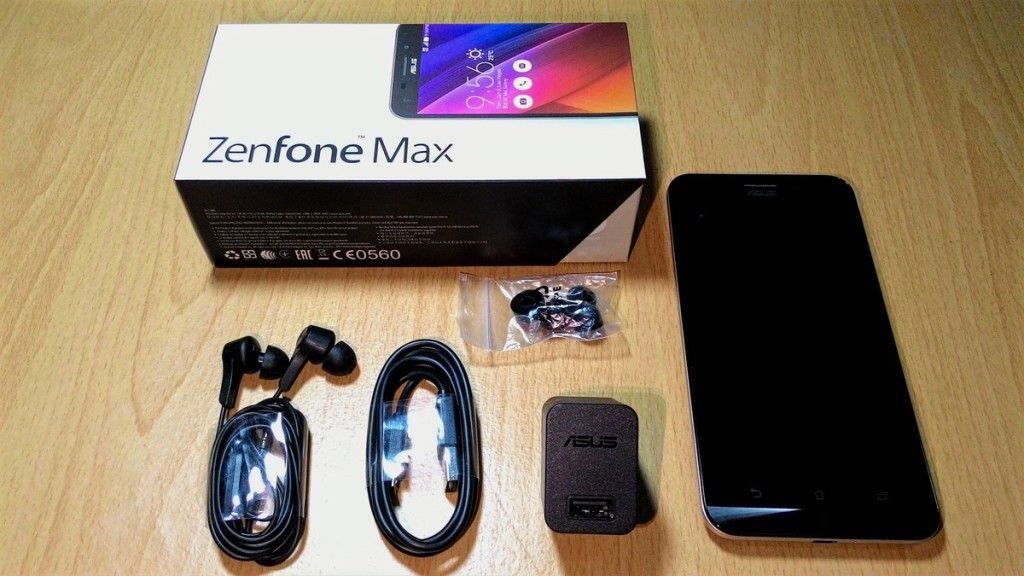
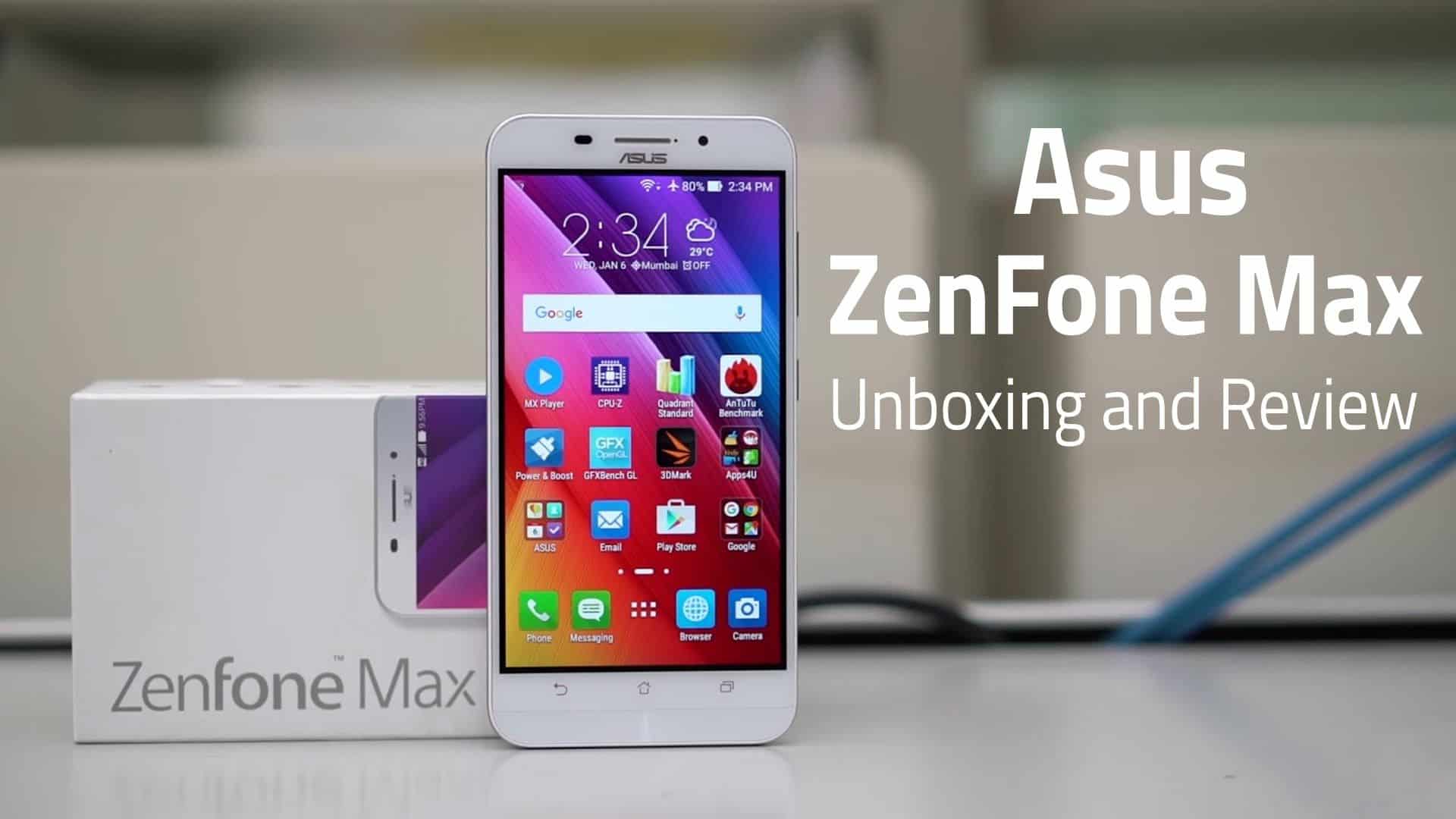
Listen to a battery capacity of ZenFone Max can we figure out a phone both big and thick, but the actual size of the ZenFone Max is not too oversized. The machine uses 5.5-inch screen, the camera body width 77.5 mm and 10.55 mm thickness. Due to the curved back feels ZenFone Max holding hands grip, do not feel heart or too thick. The weight of the machine is more than 200g, slightly heavier.
ZenFone Max has two color options are black and white, black dorsal side of the plastic material used beautiful leather and curb fingerprints. Contour and color with bronze hardware buttons also create a sleek. The front of ZenFone Max same the Asus smartphone, the screen slightly thicker edges and heterogeneous speaker with glass lead to not beautiful.
ZenFone Max 5.5 inch screen on HD resolution (1280 x 720 pixel), use the IPS screen technology and is protected by glass Gorilla Glass 4. The screen quality: wide viewing angle, realistic colors and maximum brightness we measured up to 539 nit good enough for outdoor display.
ZenFone Max’s camera to 13MP resolution and an autofocus assist laser, like a Laser ZenFone. Camera interface on the multi-shot mode, including professional mode allows users to make many adjustments when shooting. Laser sensor enables faster focusing speed, camera and save the images as fast. Quality photos passable level, the machine shows good detail, sometimes a little too lead to the image noise.
The configuration of this handset stands at Qualcomm Snapdragon SoC average with 410, 2GB RAM and 16GB internal memory capacity. For daily usage tasks like web surfing, Facebook and chat PC’s performance is enough, but sometimes i has found the machine is slow to respond. When gaming, the machine can meet 3D games at medium or low settings, but can not require smooth player at high settings.
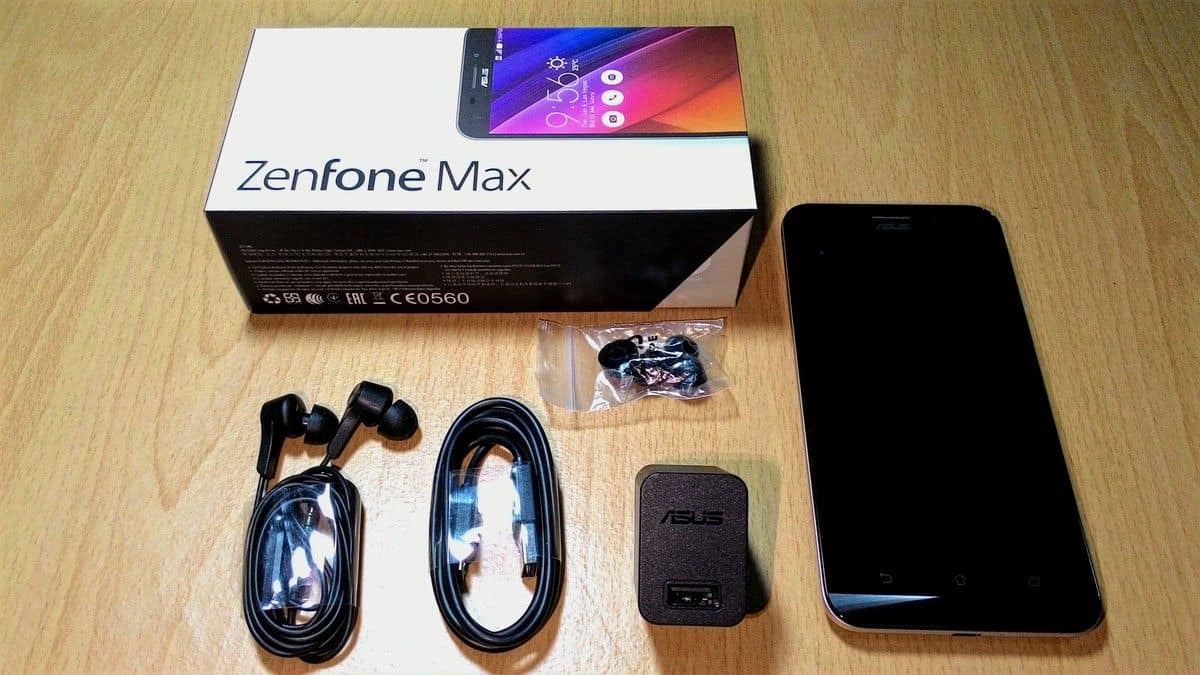
ASUS ZenFone 3 MAX 5.2-inch (2GB RAM, 16GB storage, 4100mAh), US Warranty Glacier Silver (ZC520TL): Buy it now
Asus Zenfone Max ZC550KL 16GB Black International Version No Warranty: Buy it now
Asus Zenfone Max ZC550KL 5.5″ 13MP 5000mAh 2G RAM 32GB ROM Smartphone – Black/International Version/No Warranty: Buy it now
ASUS ZenFone 3 Max ZC520TL 2GB / 16GB 5.2-inch 4G LTE Dual SIM Factory Unlocked – International Stock No Warranty (TITANIUM GREY): Buy it now
Asus Zenfone Max ZC550KL 16GB White International Version No Warranty: Buy it now
Parameters of the most notable is probably the ZenFone Max to 5000 mAh battery capacity, promises long battery time. Asus launched the impressive figure of the battery, such as 38 days of standby time. As for Max ZenFone undergo assessment procedures standard batteries, we obtained very impressive results: the results of watching movies, surfing the web are from 12-14 hours, results also 8.5 games hours. These figures are more than 2-3 times the phone is compared.
When actual use, we found ZenFone Max can withstand almost 3 days of use with the main task is to surf the web, Facebook via 3G and light gaming. Such battery level enough to help you not to worry.
Despite impressive battery life, but unfortunately so manufacturers equip Asus Zenfone only Max tubers usually charging 5V / 1A. With this charger tubers, full charging time for the machine is also very long, up to 4 hours 37 minutes in the our trial. But the good news is the machine also supports fast charging standard Quick Charge 2.0, so the charging time will be halved.
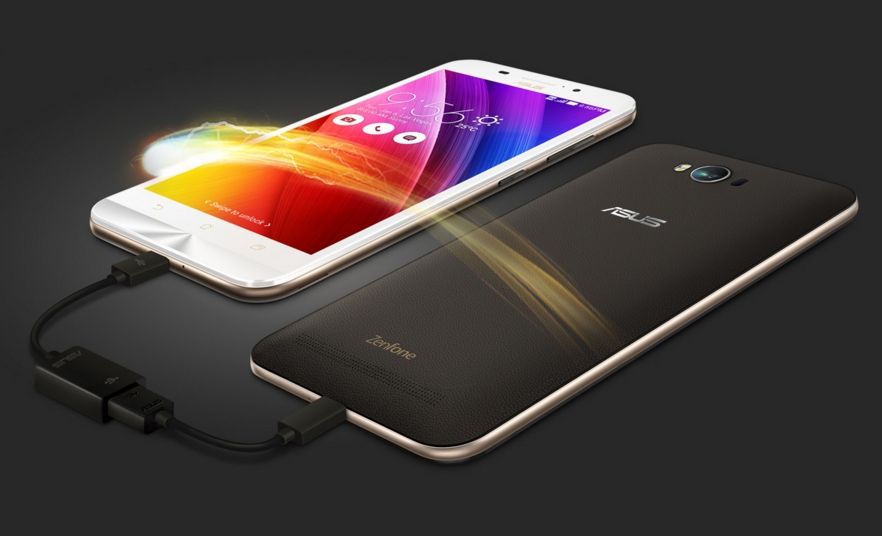
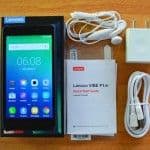
With large capacity batteries, you can even use ZenFone Max to charge another device. Accessories needed for this is bundled wired USB OTG products. Other accessories included in the box and tubers MicroUSB charger wire.
Performance
As far as performance goes the Asus ZenFone Max is fitted with mid range processors. They are made to sit in that sweet spot between power efficiency and actual speed, yknow, the usual kind of compromise. Depending on which exact model you get, this series often uses Qualcomm Snapdragon chips such as the Snapdragon 430, 636, or 660 . You usually see 3GB up to 4GB of RAM alongside them, and honestly that is enough for most everyday stuff but it can feel a bit tight if you’re multitasking a lot, or when you try to push heavier apps in the background.
Day to day the ZenFone Max is pretty calm. Web browsing, social networks, and video streaming work without big stutters. Casual games are smooth enough too, but if you move into more demanding, visually intense games then you may need to drop the graphics level, otherwise it can get less steady. Overall it runs reliably, though if you’re coming from a flagship phone, with that instant, snappy responsiveness, the ZenFone Max might feel slightly behind.
One place where it actually stands out is battery optimization. The chipsets here are generally power mindful, and with the huge battery capacity that combination turns into really strong battery life. On top of that, Asus adds software tweaks that manage power usage more effectively.
Camera
The camera setup on the Asus ZenFone Max series has slowly improved over time, like a couple small upgrades here and there, and newer models often come with dual camera or sometimes a triple-camera arrangement. Usually the main sensor sits at 13MP or 16MP, and then you get helper sensors, ultra-wide or depth related ones, depending on the exact version. Overall the camera does a decent job for the asking price, even if it isn’t really the headline reason people buy this device.
When there’s good lighting around, the primary lens can pull off sharp, crisp images, and colors look pretty accurate. But once the light drops, the usual constraints show up. In low-light situations the results are just average—there’s visible noise, and finer details kind of fade out. The LED flash is helpful, sure, though it does not fully replace what you’d expect from a more advanced camera system on pricier phones.
If your specific model includes secondary cameras, they bring some extra flexibility. You can grab wider scenes, or you can get that portrait mode background blur look. Still, the secondary sensors are typically a step below the main camera, so the final output can be inconsistent, sometimes surprisingly okay and sometimes just… meh.
The front camera is often around 8MP. It’s enough for selfies and video calls, especially when you’re in decent light. In dim rooms though, it struggles. You’ll also find beauty settings and a few tweaks, which might be entertaining for people who like messing with their photos a bit, even if it’s not “pro” level editing.
Software Experience
The Asus ZenFone Max runs on Asus’s custom skin , ZenUI, which sits on top of Android. Over the years, ZenUI has been through a lot, with Asus trying to simplify the interface and cut down on bloatware. The end result feels cleaner, more straightforward, and sort of more aligned with stock Android than the older versions were.
ZenUI also brings a handful of personalization options, so you can nudge the look and the day to day functionality of your device to match what you like. Stuff like a customizable app drawer, themes, and gesture controls help make the whole thing feel more complete. Plus, Asus throws in a mix of proprietary apps and extra tools, some are genuinely handy, while others can feel a bit redundant to certain people.
One thing that really stands out is the battery management side of ZenUI. Asus gives users detailed battery usage stats, plus a range of power saving modes, that can stretch battery life quite a bit. For anyone trying to get the most run time out of a single charge, these options are especially useful , and not just for show.
That said, ZenUI isn’t perfect. A few users might feel the interface is a little weighty next to stock Android, and you can run into occasional stutters or lag, mainly on older models or phones with less RAM. Still, most of the time the software experience stays smooth enough , and it comes off pretty friendly and easy to live with.
Battery Life
The battery life is also kind of where the Asus ZenFone Max really does its thing. This lineup tends to be famous for large batteries, like roughly 5000mAh up to 6000mAh, which is well bigger than what most smartphones normally bring to the table. Because of that huge battery capacity the day to day results are impressive, with many users seeing around two full days on one charge, as long as the usage stays somewhat moderate.
Now for heavy users it does not really fall apart either. The ZenFone Max can still manage a full day, even with intensive use such as gaming, constant video streaming, and social media scrolling that doesn’t stop. There’s also the power efficiency factor, plus Asus’s software tuning. Together, they help keep battery drain fairly low even when the phone is under a heavier load, kind of steady and predictable.
Of course charging is a bit of a different story. Filling up such a large cell can be slow, especially if your specific model doesn’t include fast charging. Some versions in the ZenFone Max set do have fast charging support, and that can cut down the waiting time a lot, so it feels less like a chore. But even without that feature, the long battery endurance means you don’t end up grabbing the charger every few hours, like you might with other phones.
Connectivity and Extras
When it comes to connectivity, the Asus ZenFone Max mostly handles the usual basics… It typically covers 4G LTE, Wi‑Fi, Bluetooth , and GPS, nothing to get all mystical about, just the standard set most people end up needing. Also, there are often dual SIM slots, which is pretty convenient if you end up juggling more than one phone number, or if you want a work personal split without any big fuss.
One place where the ZenFone Max sort of drops the ball is that some models dont include NFC. NFC (Near Field Communication) is the thing that lets you do contactless payments and also speeds up device pairing, so if you rely on that sort of convenience , it could easily become a deal breaker. That said, if you never really use NFC, then this missing feature probably wont matter much.
The phone’s speaker is decent but not impressive, it gives you clear sound that works fine for calls and casual media. Still, dont go looking for heavy sub bass or that super detailed, high-fidelity vibe. If sound quality matters to you, it’s a better idea to plug in headphones , or use a small external speaker.
Updates and Software Longevity
So, one of the downsides you might run into with the Asus ZenFone Max is the software update policy and well, the whole timing thing. Asus has gotten better at updates, yes ,but it still doesn’t move as quickly as Google or OnePlus. Those brands usually deliver changes more consistently, and in practice that means you’ll often see the newest Android version on them sooner. On the ZenFone Max, people may have to wait longer, and security patches might arrive later than you’d hope.
That said , Asus also has a decent reputation for rolling out at least one major Android update to its mid-range devices. So there is some support to lean on. Still, if you’re the type who cares a lot about latest features, plus security fixes, then it’s worth keeping this in mind before buying.
User Feedback and Real-World Performance
When it comes to what people say, the ZenFone Max line tends to get fairly positive opinions, mainly for battery life. A lot of users seem to like that “it’ll probably make it” feeling, because the phone can usually stretch through a full day, even when they’re using it pretty heavily. In terms of everyday speed, most feedback describes the performance as fine for the money. For daily tasks, there usually aren’t huge problems, and people generally don’t report constant lag.
But there are also the usual complaints. The camera is often described as decent, sort of okay for the price, however low-light photos are where things get shaky. Some users also mention small software quirks, or slower performance after time, like when the device ages. And honestly, this kind of stuff isn’t only the ZenFone Max either, it shows up across many budget and mid-range phones, more or less.
Another point of feedback is sorta related to the display, while most people say the screen is okay for everyday stuff, there are also those who’d rather have something more vibrant and sharper, especially if they spend a lot of time consuming media on their phones. The lack of AMOLED tech is something that comes up a lot, because it’s becoming more common in this price bracket, and you can see that clearly among competitors such as Xiaomi and Samsung.
Long-Term Durability
When it comes to durability the ZenFone Max actually holds up well, mostly because the plastic build feels sturdy and the design stays practical. The textured back helps more than you’d think, it gives a secure grip but also resists scratches and smudges better than those glossy finishes. Still, like with any smartphone, it’s a good idea to use a protective case and a screen protector, so the phone stays in good condition for the long run, ya know.
Battery longevity is another big thing to weigh in. Sure, the large battery is a main selling angle, but every battery degrades over time. Users mention that the ZenFone Max battery keeps its performance pretty steady during the first year or two, but after prolonged use it’s pretty normal to see some decrease in capacity. The good side is that the big starting capacity means that even as it ages, you should still get decent performance versus other phones that come with smaller batteries.
Asus ZenFone Max Series : Evolution and some of the Models
So yeah, the ZenFone Max line has gone through a bunch of rounds, each time tweaking things, but honestly the main idea stays the same, battery life first, and everything else sort of follows. You can see this in the more known handsets, like these
Asus ZenFone Max (ZC550KL) : this one was kind of the starting point, it showed up in 2015 with a 5000mAh battery , which at the time felt like a big deal. There was also a 5.5 inch display, a Snapdragon 410 chip and a 13MP rear camera. In practice, this phone did what it promised, it lasted , but the overall speed was kinda modest, not exactly “wow”.
Asus ZenFone Max Pro M1 : fast forward to 2018, and this model felt like a step up in effort and muscle. It brought a Snapdragon 636 processor, plus versions with as much as 6GB of RAM. It also moved away from the heavily customized ZenUI, going for a closer to stock Android experience, which many people liked. Battery stayed big at 5000mAh , but the Pro branding wasn’t only about endurance, the display and camera side also got more attention.
Asus ZenFone Max Pro M2 : then came the M2, basically building on the M1 reputation. Here you get a Snapdragon 660 processor, a bit more refined camera setup, and a 6.26-inch panel with a notch. The battery didn’t change much, it was still 5000mAh, and the near stock Android vibe continued. People generally praised it for balancing performance with battery, and it ended up being one of those strong choices in its price bracket, back then anyway.
Asus ZenFone Max M2: the non Pro version of the M2 felt like a more affordable choice, it had a Snapdragon 632 processor and a 4000mAh battery that was just a bit smaller. it still brought a lot of the same look and features, but it was aimed at people who wanted something budget friendly, without going too far down in performance.
Asus ZenFone Max Plus (M1): this one was among the earlier picks in the line, and it was the one that leaned into a newer 18:9 screen ratio, plus it came with dual cameras. the battery was rated slightly lower at 4130mAh, but the phone was marketed as a more premium option in the Max family, really emphasizing design and media style stuff.
Every step in the ZenFone Max series seems to have tried to fix the weak points from before, while still keeping the whole long battery life priority. that change over time let Asus sharpen the lineup into something like a solid value series, especially for users who want a dependable phone that doesn’t start acting like it’s empty halfway through the day.
Conclusion
So the Asus ZenFone Max series, it kinda puts the spotlight on battery life, and honestly that makes it a pretty persuasive pick for people who care more about endurance than a bunch of extra smartphone tricks. It’s not really the strongest thing, or the most feature rich phone around, but it does manage to give you a dependable experience that can run for days on one charge… which, you know , is a big deal.
The look is not super flashy, more like practical, solid, and made to handle the everyday bumps. For folks who want a phone that can survive real use, this one feels like a good option. The screen, camera, and overall performance are good enough for most people, especially when you consider the price, although if you’re hunting for top-tier specs, you might feel it’s holding back a bit.
The software side, powered by ZenUI, is pretty easy to navigate and it has a decent range of customization. Still, it may feel less smooth, or not as current as what some competitors bring. That said, there are useful extras—power saving modes, plus battery optimization tools and such—and they really improve the day to day experience, especially for anyone trying to squeeze the most out of that huge battery.
In a market that’s already full of phones sharing similar specs, the ZenFone Max sort of distinguishes itself mainly through battery stamina. It’s a phone that understands who it’s for, and it follows through on the long lasting power promise. It can be a reliable choice for users who live busy lives and don’t want to be stuck charging their device all the time.
Final Thoughts
If you’re looking for a smartphone that can go the distance, the Asus ZenFone Max series is honestly worth a look. Whether you’re a heavy user who needs a phone that can last, most of the day or a casual user who just wants that calming peace of mind that comes from a massive battery, the ZenFone Max delivers. Sure it may have some limits with performance , and camera quality too but honestly those tradeoffs get balanced by the big wins in battery life and the overall value.
Asus has also done a really solid job of carving out a niche with the ZenFone Max line, bringing a product that seems tuned for a specific crowd. If you place endurance ahead of everything else, the ZenFone Max is pretty hard to top.
Related Posts






Tech Reviewer & Product Analyst
Định Bia has spent over 10 years testing consumer electronics with a focus on smart technology. He work as a product advisor at Biareview where he helped customers find the right devices for their needs. He personally tests every product featured on this site using a consistent evaluation framework covering quality, durability, and value. All reviews are based on experience, not influenced by the manufacturer.