

The first AirPods Max product launch happened six years ago. The technology sector experiences fast changes which allowed competitors to develop new product designs and create various customer experiences within this six-year period. The AirPods Max 2 launch produced two different reactions which resulted in disappointment and skepticism from most users. The second-generation product maintains its original design because its external appearance remains almost identical to the first version. The AirPods Max 2 delivers an improved user experience through its hardware upgrades which include better processor and software components.
Design and Wearability
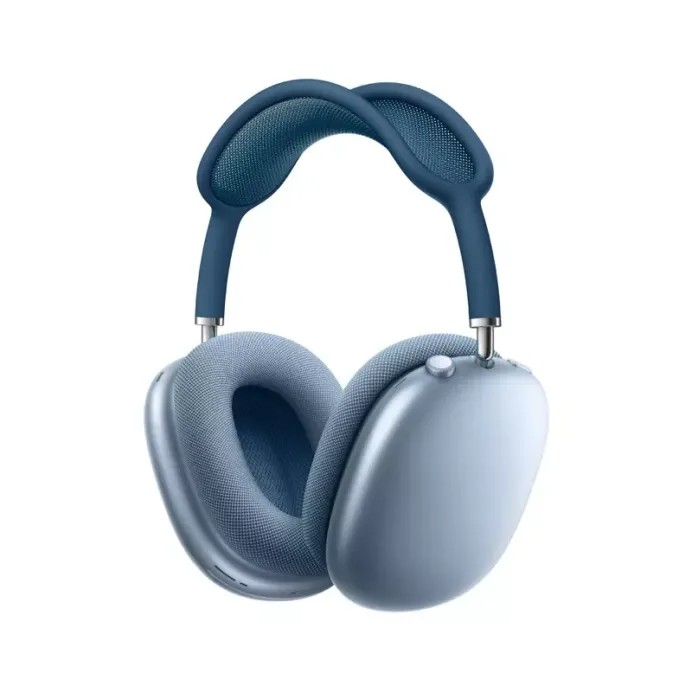
The AirPods Max 2 maintains its original design elements from its first generation through its current design. The product uses a mesh headband, a flexible stainless steel frame, and two solid aluminum earcups. The earbuds have a width of approximately 170 mm while the earcups display high-quality construction through their slim design.
The AirPods Max 2 weighs 386.2 grams, which is quite heavy compared to the average. Many people have reported that wearing these headphones (and their predecessors) feels quite heavy and tiring after a few hours of use.
The AirPods Max 2 weight presented only minor challenges for me according to my personal experience. I used the headphones to play games and listen to music and to work at a cafe for the entire afternoon. After two hours of usage I experienced a head heaviness feeling which disappeared after I removed the headphones. The AirPods Max 2 mesh headband helps to distribute weight evenly which creates a better experience for users.
The comfort of wearing this item varies according to each person who uses it. For my large head size I find that heavy over-ear headphones become easier to wear.
The product has a weighty design which enhances its appearance as premium quality. The AirPods Max 2 build materials which use aluminum and steel create a more substantial and premium appearance than their competitors who use plastic materials. Users have five color options: Deep Blue, Starlight, Blue, Purple, and Orange. The control system remains the same with the Mode Button and the Digital Crown. The AirPods Max 2 buttons enable users to control volume and playback functions and activate Siri.
The AirPods Max 2 presents an essential feature which requires users to operate the device without exiting the program. Headphone deactivation requires users to store their device inside the Smart Case which comes with the headphones. The accessory which weighs 1345 grams serves only to power down the device into its energy-saving mode. The Smart Case design enables users to store headphones but users must handle the AirPods Max 2 with caution to avoid damaging its solid aluminum body while storing it in tight spaces.
Apple AirPods Max 2 Wireless Over-Ear Headphones, Active Noise Cancellation, Adaptive Audio, Personalized Spatial Audio, Live Translation, Bluetooth Headphones – Midnight with AppleCare+ (2 years):
Performance and Software
The core upgrade of the AirPods Max 2 lies in the H2 processor. The chip achieves its maximum capacity for audio processing through the broad thermal dissipation area and the extensive power requirements of over-ear headphones. The device can react promptly because the new processor works together with optical sensors for accelerometer functionality and gyroscope capabilities. This element establishes an essential groundwork which enables AirPods Max 2 to exceed all aspects found in its first version during daily usage.
The change in connector is also a practical upgrade. The AirPods Max 2 operates with a USB-C port which replaces the previous Lightning connection to match current charging standards. The USB-C port enables users to experience 24-bit/48kHz lossless audio streaming through a direct connection to their Mac or iPad. The use of cables results in better total harmonic distortion which provides AirPods Max 2 users with professional benefits in their work settings.
The AirPods Max 2 uses Bluetooth 5.3 for its wireless connections. This standard helps stabilize the signal in crowded areas and optimizes latency for entertainment. The device supports two basic codecs which include SBC and AAC as its main audio formats. The best connection and usage experience occurs when users connect their devices to the Apple ecosystem. The AirPods Max 2 audio system faces compatibility problems when users attempt to connect it with devices outside the Apple ecosystem.
The smart features on AirPods Max 2 are also expanded thanks to the new processor. Adaptive Sound functions as a primary feature that automatically adjusts noise cancellation based on current environmental sounds. Conversation Recognition automatically reduces music volume and clarifies speech during conversations. The improved algorithms of AirPods Max 2 enable the device to recognize voices with greater accuracy while users are humming to their music.
AirPods Max 2 users can control Siri through head gestures which create an accessible interface. The system provides users with the ability to answer a call through nodding while shaking their head will let them decline. Users experience an outstanding home entertainment system through Personalized Spatial Audio which works with head movement tracking. The Live Translation feature on AirPods Max 2 still experiences some lag and is not yet stable when used in noisy environments.
Noise Cancellation and Transparency
The active noise cancellation of AirPods Max 2 has been significantly optimized. Apple confidently claims that the ANC on AirPods Max 2 is 1.5 times better than the first generation. To verify this, many professional laboratories subjected the headphones to simulated head and body measurements. The results showed that the first generation could reduce the loudness of external noise by an average of 88%, while the second generation achieved 89% to 90%. Although the percentage difference may seem small, in actual measurements, AirPods Max 2 averaged about 2dB better than its predecessor, and could reach over 3dB in environments with high noise intensity.
In real-world experience, when active noise cancellation is enabled, the experience with AirPods Max 2 can be jokingly described as “almost deafening”. I went to a very crowded indoor cafe, but when I turned on ANC, I only heard extremely faint background noise, which was quickly masked by a song at low volume. In other environments, such as a moderately busy intersection, car engine noise or air conditioning sounds were almost completely eliminated. The amplification of footsteps while walking was also significantly reduced.
The AirPods Max 2 Transparency mode successfully demonstrates its ability to reproduce ambient sounds in a natural way. The system provides users with a special Loud Noise Reduction feature that enables better sound control. The headphones activate their noise cancellation system at a high speed when they detect sudden loud sounds which include ambulance sirens. This feature protects AirPods Max 2 users from hearing damage during outdoor activities.
Sound Quality and Recording System
The 40mm dynamic drivers with Liquid Crystal Polymer diaphragm design maintain AirPods Max 2 sound performance. The system processes all audio signals through High Dynamic Range Amplifier which works together with adaptive equalizer technology. The sound system produces a wider soundstage that delivers more authentic sound reproduction after this stage of development. The maximum volume increase helps AirPods Max 2 control distortion better while maintaining stable audio performance during fast-paced music.
The sound profile of AirPods Max 2 has a V-shape, quite similar to the refinement of AirPods Pro 3, but with better balance and smoothness. The bass produces a tightly controlled and powerful sound with sub-bass support which compensates for loose earbud fitting. The mid and high frequencies produce detailed sound which ensures vocal performance remains clear. The high bass levels in the AirPods Max 2 force users to take breaks when they listen to music in a silent space for too long. The device lacks the EQ adjustment system which users find in most headphone products available on the market today.
The recording system is a significant improvement on the AirPods Max 2. The system uses nine microphones which include special microphones that perform noise cancellation and voice recognition tasks. The system demonstrates excellent speech separation capabilities which function effectively even in windy conditions. The AirPods Max 2 transmits voice signals which sound warm and uncompressed thus enabling users to communicate effectively during online meetings and daily talks.
Battery and Charging
The AirPods Max 2 experience no battery life advancements when it comes to their battery performance. The device maintains a usage time of 20 hours of continuous music playback with noise cancellation enabled. The headphones will drain approximately 3-4% of their battery power during each hour of operation. The headphones can provide around 30 hours of playback time when users disable noise cancellation which allows for three to four days of usage time.
The current number still falls short of achieving an impressive benchmark. Many cheaper headphone models from Chinese brands can achieve usage times of 35, 40 hours, or even much longer.
The USB-C port of AirPods Max 2 charging system provides users with comfortable access to charging their devices. Users only need a single cable to charge their computer, phone, and headphones. The unified connection port keeps the workspace tidy and saves space for carrying accessories. The AirPods Max 2 charging time operates at a constant speed which matches the user’s typical usage patterns although it lacks super-fast charging capabilities.
In summary, AirPods Max 2 provides users with an all-encompassing sound experience through its specially designed hardware system. The product delivers exceptional noise cancellation together with accurate sound performance and smooth system compatibility because of its H2 processor.
First-generation AirPods Max users who prefer to use the Lightning charging port should consider upgrading to AirPods Max 2. The product becomes essential for customers who require over-ear headphones that work perfectly with their existing system.r headphones that work seamlessly with their existing system.


Tech Reviewer & Product Analyst
Định Bia has spent over 10 years testing consumer electronics with a focus on smart technology. He work as a product advisor at Biareview where he helped customers find the right devices for their needs. He personally tests every product featured on this site using a consistent evaluation framework covering quality, durability, and value. All reviews are based on experience, not influenced by the manufacturer.