Table of Contents
Nikon D7200
As the APS-C camera from the Nikon D7100, the Nikon D7200 features a high-end magnesium alloy chassis, inside a 24.2MP CMOS sensor, Optical Low-pass filter Filter, EXPEED4 processor, next-generation Multi-Cam 3500DX II focus system 51 AF points, 15 cross points, and focus in low light -3EV.
The rear screen is a fixed 3.2-inch LCD with about 1.23 million dots. It’s sharp, but it doesn’t tilt or respond to touch. Burst shooting runs at 6 frames per second, or 7 fps in 1.3x crop mode, and video is Full HD 1080p at 30, 25 or 24p. ISO goes from 100 to 25,600, with extended settings up to 102,400 in black and white. The D7100 needed an add-on adapter for wireless, but the D7200 has Wi-Fi and NFC built in.
At launch, the D7200 cost much less than rivals such as the Sony A77 II and Canon EOS 7D Mark II.
Nikon D7200 DX-format DSLR Body (Black): Buy it now
Introduction
The Nikon D7200 arrived in 2015 to replace the popular D7100, and sat near the top of Nikon’s DX range for enthusiasts. The body is tough and weather sealed, the 24-megapixel sensor produces detailed, clean files, and it has features usually saved for pricier cameras, such as dual SD card slots. Below, we cover what it offers, how it handles in real shooting, and whether it still makes sense next to newer cameras.
Key specifications
The D7200 uses a 24.2-megapixel DX format (APS-C) CMOS sensor with an EXPEED 4 processor. ISO runs from 100 to 25,600, and extends to 102,400 in black and white only. It shoots at up to 6 frames per second, or 7 fps in 1.3x crop mode. Video is Full HD 1080p at up to 30fps using the full sensor, and 60fps in 1.3x crop mode.
Autofocus uses 51 points, 15 of them cross type. It’s quick and reliable for most action, including in poor light, though a pro body such as the D500 tracks fast subjects better.
Look and Feel
This camera, as the name suggests, is aimed at photographers who enjoy the best hardware with their camera: The magnesium-alloy body is weather-sealed and feels hefty in the hand. There are deep grips with controls laid out ergonomically, making it comfortable to work with during long shooting days. Also present are two SD card slots for further storage or backup; a boon for both professionals and serious enthusiasts.
Image Quality
The D7200 has distinctive features, one of which is the good image quality. The combination of a high-resolution sensor and a powerful image processor yields images that are sharp, detailed with lifelike color, and good dynamic range. The camera is an extraordinary performer when it comes to low-light situations because of its wide ISO range and efficient noise reduction. This basically means this camera can win in any photographic spectrum, be it landscape or portrait.
Performance
Performance-wise, the D7200 is exceptionally fast and receptive. An increased buffer depth accommodates long bursts of continuous shooting, great for the acquisition of transient subjects such as wildlife or sports. The autofocus system botanically inherited from Nikon’s pro-level cameras assures accurate focus tracking, which essentially increases the camera’s usability for action photography.
Features and Usability
The D7200 comes with many user-centric features. An inbuilt feature of the camera is the Wi-Fi and NFC connectivity, which permits sharing and remote camera control from smartphones or tablets. It then really brings the 3.2-inch 1.2M-dot LCD screen into rival status, as it provides a clear and bright view while composing shots or reviewing images. Furthermore, there is a pentaprism optical viewfinder included, which is very much a traditional way of shooting, and one that many DSLR users are fond of.
Video Capabilities
While generally marketed as a stills-oriented camera, it also possesses features that enable it to compete against other cameras for video capture, offering Full HD 1080p resolution, at varying frame rates, up to 60 fps. Manual exposure control is possible, there is a microphone input for capturing better audio, and video capture is therefore considered an added option by videographers wanting to shoot brilliant footage alongside stills.
Pros
Without a doubt, excellent image quality, thanks to the high-resolution sensor combined with a powerful image processor.
A known, rugged body with adequate weather sealing.
Autofocus and exposure systems that are very fast and accurate–great for stills or action.
Dual SD card slots allow for extra storage and security.
Built-in Wi-Fi and NFC for sharing or remote control.
Cons
4K video recording is absent, and it is becoming standard for newer models.
Some will find it big after using smaller DSLRs or mirrorless cameras.
Less interactive touchscreen compared to the ones available in the market nowadays.
Conclusion
The Nikon D7200 is still Strongly Considered by Enthusiasts and Semi-professionals An Extreme DSLR-Given its Features and Image Quality. Age notwithstanding, it doesDeliver-Well in Different Conditions-nevertheless, Offers Good Value. Not being so sharp as to keep abreast with recent-age accolades, it surpasses others with its heavy-duty build, top-notch optics, and awesome performance: a must-have for avid photographers.
Nikon D7100
If you are a photography enthusiast and do not demand too many specs, then the D7100 is a worthy alternative to the D7200.
The Nikon D7100 features a 24.1MP CMOS sensor, an Optical Low-pass Filter, an EXPEED3 processor, a 35-point AF Multi-CAM 3500I AF system, and 15-point AF. Bright -2EV.
The D7100’s 3.2-inch screen has a resolution of 1,228 million pixels. Continuous shooting speed is six frames per second and seven frames per second in cropping mode of 1.3x, capable of recording in Full HD 1080p format at 30/25 / 24p, ISO range runs from 100 to 6400 and Maximum open width of 25,600.
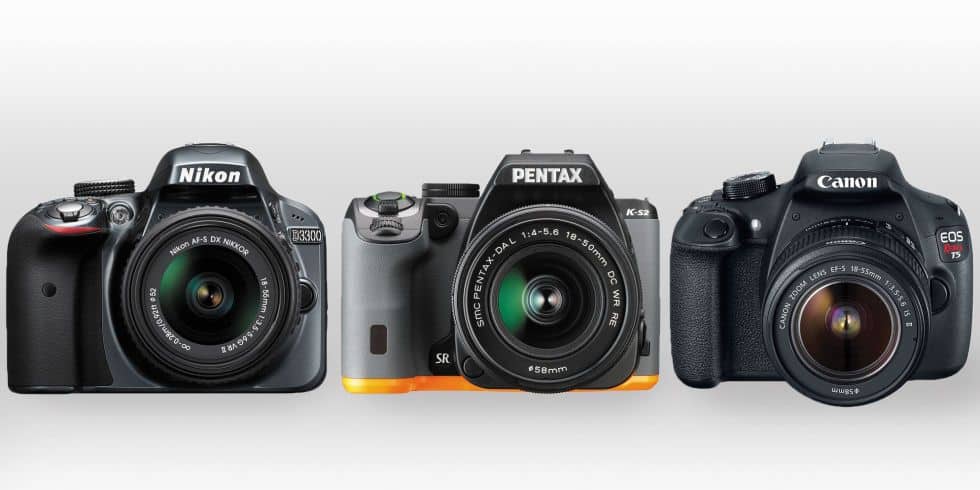
Nikon D7100 24.1 MP DX-Format CMOS Digital SLR (Body Only): Buy it now
Introduction
The Nikon D7100 came out in 2013 as the successor to the D7000 in Nikon’s enthusiast DSLR range, and it was a big step up. It has a 24.1-megapixel DX sensor with no optical low pass filter and an EXPEED 3 processor. This review covers how it handles, the images it produces and whether it’s still worth buying today.
Key specifications
The 24.1-megapixel APS-C sensor gives enough resolution for large, detailed prints or heavy cropping. ISO runs from 100 to 6,400 and extends to 25,600, with the top setting in black and white only. Autofocus uses 51 points, 15 of them cross type, and it’s quick and accurate for stills. Video is covered separately below.
Design and build quality
The top and rear of the body are magnesium alloy, and the camera is weather sealed, so a bit of rain or dust on a hike isn’t a problem. The grip is deep and the main controls are where you’d expect them, so it stays comfortable over a long day of shooting. Dual SD card slots let you record to both cards at once as a backup, or use the second as overflow.
Image quality
Without a low pass filter, the sensor picks up very fine detail, which shows in landscapes and textured subjects. The trade-off is a slightly higher risk of moiré on fine repeating patterns, such as fabric. Colors are accurate and dynamic range is good, so there’s plenty of room to recover shadows in editing. Noise stays well controlled up to around ISO 3,200. Beyond that it becomes more visible, though images remain usable at 6,400.
Performance
Burst shooting runs at 6 frames per second, or 7 fps in 1.3x crop mode. That’s enough for most wildlife and casual sports. The weak point is the small buffer. In RAW, the camera fills it after only a handful of frames and then slows down while it writes to the card. The 51-point autofocus tracks moving subjects well for its class.
Features and usability
The 3.2-inch LCD has about 1.23 million dots and an RGBW layout, which adds a white subpixel to make it brighter and easier to see in sunlight. The screen is fixed and not touch sensitive. The optical pentaprism viewfinder is large and bright, which is what many people still prefer about a DSLR.
Video
The D7100 is mainly a stills camera, but its video is capable. It records Full HD 1080p at 30, 25 or 24p using the full sensor, and 60i or 50i in 1.3x crop mode. It has full manual exposure in video, a microphone input and a headphone jack, which makes it a reasonable choice for occasional video alongside stills. It isn’t a substitute for a dedicated video camera.
Pros
High-resolution sensor sans an optical low-pass filter, thereby guaranteeing the capture of utmost detail.
Strong magnesium-alloy body with weather-sealing to endure rough use.
Great autofocus system with 51 focus points of which 15 are cross-type sensors capable of accurate focusing.
Dual SD card slots that enable extended storage and backup options.
High image quality with punchy colors, higher details, and good performance in low-light.
Cons
Full HD video recording is the highest resolution, they don’t have 4K video present in newer models.
Menu system, and controls may overwhelm beginners moving up from entry-level DSLRs.
Slightly slower focusing system as compared to new models rolled out in the recent years.
Conclusion
This more niche camera remains a competent camera for the enthusiast or semi- professional to deliver good-quality images and capable performance. Although introduced long ago, its hybrid form of advanced features, sturdy build, and competent imaging goes a long way for photographers wanting to own a trustworthy, capable camera. In newer times, of course, certain newer models may have overtaken the Nikon D7100 in aspects such as video resolution and autofocus speed, but what continues to keep it alive is the rather solid performance, image quality, and ergonomics, which would be of interest to any serious photographer.
Nikon D5500
The D5500 is cheaper, lighter and smaller than the D7100 or D7200, but you don’t give up much for that.
It has a 24.2-megapixel CMOS sensor, an EXPEED 4 processor, 39-point autofocus and a 3.2-inch touchscreen with about 1.04 million dots. ISO runs from 100 to 25,600, and it shoots at 5 frames per second, a little slower than the 6 fps of the D7100 and D7200. Video goes up to Full HD 1080p at 60fps.
Built-in Wi-Fi lets you send photos to a phone. There’s no built-in GPS, though you can add Nikon’s optional GPS unit if you need location data.
Nikon D5500 24.2 MP DSLR Camera With 3.2-Inch LCD 18-55 mm VR DX Lens (Black)(Certified Refurbished): Buy it now
Introduction
The photography equipment, Nikon D5500 DSLR camera that has been introduced in 2015, considers being compact, light, and entry-level so that budding photographers can use either the viewpoint of their smart phone or point-and-shoot cameras for moving forward with DS instead of DS. The prime aperture has a 24.2-megapixel APS-C CMOS sensor and the high-gain EXPEED 4 image processor to provide amazing image quality and general performance in an easily operated manner. This review deals with the features, usability, image quality, and main considerations in making one’s choice with photographic applications.
Specifications
The Nikon D5500 has a 24.2-megapixel DX format CMOS sensor, which gives enough resolution for large prints or cropping in later. ISO runs from 100 to 25,600, so you can keep shooting from bright daylight to dim interiors. The viewfinder autofocus uses 39 points, 9 of them cross type, and is quick and accurate for stills. Video goes up to Full HD 1080p at 60fps, though focusing in video is slower because the camera switches to contrast detection autofocus on the sensor.
Design and build quality
Nikon built the D5500 to be small and light. The body is a single-piece monocoque shell made from a carbon fiber reinforced composite, which keeps weight down while staying rigid, and it weighs around 420g without a lens. It isn’t weather sealed, though.
On the back is a 3.2-inch, 1.037-million-dot touchscreen that flips out to the side and rotates. That makes low angle, overhead and selfie shots easy, and you can use touch to pick a focus point or move through the menus. Despite the small body, the grip is deep enough to hold comfortably, and the main controls fall naturally under your fingers.
Image Quality
Providing very good image quality with lively colors, true-to-life skin tones, and good gradation is the 24.2-megapixel sensor of the D5500 paired with the EXPEED 4 image processor. Sharper details and finer textures in the final images, hence usable for a wide gamut of photographic genres such as portraits and landscapes, owes perception to the absence of an optical low-pass filter. Low-light conditions are managed well by the camera, and it produces clean images with little noise up to medium ISO settings.
The Performance
From a performance point of view, the Nikon D5500 is fast-responsive and enjoys very good autofocus performance. The 39-point autofocus system works with lightning speed to ensure that focus lock is activated with precision. With better subject-tracking capabilities, the camera makes it much easier to focus accurately on moving subjects. The camera also features continuous shooting at 5fps max. This is enough for transient moments and fast actions.”
Features and Usability
Among the newer-generation features it enjoys for the owners’ perks and creative choices, the other thing is the touchscreen LCD monitor, namely an LCD monitor with a touchscreen interface for easy menu navigation and image playback. Touch-to-focus control is also available, a feature possible only if one can allow lateral movements with a fingertip-guide. The Wi-Fi connection underlines fast communication, sharing images, or controlling the camera using a smart device, all of which go in favor of the quick workflow common to social media buffs and traveling photographers.
Video Capabilities
Although chiefly a stills camera, the Nikon D5500 somewhat holds its ground in having its video capabilities at full HD 1080p, recording at different frame rates up to 60 fps. Manual exposure control is possible while video recording, with a stereo microphone built in to record decent-quality sounds. It takes good video shots with quality sound for carrying out detailed video recording.
Pros
Compact and lightweight body with a vari-angle touchscreen LCD for flexible shooting.
Great image quality with high-resolution sensor and advanced image processor.
Highly responsive autofocus system- improved subject tracking for accurate-focus acquisition.
Can communicate via Wi-Fi for sharing images or remotely controlling the camera using a smartphone or tablet.
Good support for low-light with highest noise being recorded only up to medium ISO range.
Cons
The maximum resolution for recorded videos is Full HD, and lacks 4K video capabilities present in newer models.
The buffer depth is smaller in comparison to high-end DSLR models, allowing the fewer shots to be taken continuously in burst mode.
The grip may feel less substantive to some users than those of larger DSLR models, and with continuous use, comfort can become an issue.
Conclusion
The Nikon D5500 is a small, light DSLR that’s easy for beginners to learn on and good enough for enthusiasts to keep using. It came out in 2015, so it’s far from new, but the 24-megapixel sensor still produces detailed images and the flip-out touchscreen is still handy. If you can find one used at a good price, it remains a sensible first DSLR. Newer models might be considered to have the upper hand in some application areas like video resolution and autofocus, but the D5500 is still a viable option for anyone looking to create creative photography and video recording without the hassle posed by larger DSLR systems.
Pentax K-3
The K-3 is equipped with a 24.4MP CMOS sensor, 100% coverage of 5 faces with 0.95 magnification, optional 27-point SAFOX11 focusing system with 25 cross-type focus points, Focus in low light -3EV.
The K-3’s body is made of high-grade magnesium alloy with good impact resistance. The LCD screen is equipped with 3.2-inch glass with a resolution of 1.037 million pixels.
Besides, the proprietary third-generation PRIME image processor incorporates the unique OLP anti-aliasing filter, which the user can deactivate. 8.3 frames per second, Full HD 60p / 50p video recording, ISO range up to 51,200, and USB 3.0 port integration is rare on the same DSLR line.
Pentax K-3 SLR Camera – Body Only: Buy it now
Introduction
The Pentax K-3 has a 24.35-megapixel APS-C CMOS sensor with no anti-aliasing filter, so it captures very fine detail. If moiré shows up on fine patterns such as fabric, you can switch on Pentax’s AA filter simulator, which uses tiny sensor movements to blur the finest detail slightly. The PRIME III processor gives an ISO range of 100 to 51,200.
Autofocus is Pentax’s SAFOX 11 system, with 27 points, 25 of them cross type. It was a big step up from earlier Pentax models, and it’s quick and reliable in most conditions, including dim light. The K-3 shoots at 8.3 frames per second, which is fast enough for sports and wildlife.
Design and build quality
The K-3 is built to be used outdoors. The body is magnesium alloy with 92 seals against dust and moisture, and Pentax rates it to work down to -10°C. The grip is deep, the controls are well placed, and it stays comfortable over a long day of shooting.
The optical pentaprism viewfinder covers 100% of the frame, so what you see is exactly what you get in the photo, with nothing creeping in at the edges.
Image Quality
The lack of anti-aliasing filters in the K-3’s sensor makes it capable of reproducing detail and textures with fine clarity and sharpness. Pairing this with the PRIME III image processor results in images with rich details, correct colors, good dynamic range, and very low noise under varying ISO settings. The K-3 remains best at delivering great JPEGs straight from the camera, while the RAW files still provide a wide range of options for post-processing adjustments.
Performance
As for performance, it is surprising that the Pentax K-3 stands out in speed and responsiveness. The advanced SAFOX 11 autofocus allows rapid and precise locking of focus, whereas enhanced algorithms better tracking provide object detection/recognition and tracking abilities for superiority. Fast continuous capture allows photographers precise freeze-frame control of decisive moments, which gives it another edge in sports, wildlife, and action photography.
Features and Usability
The K-3 offers a plethora of functions aimed at improving usability and creative control. It carries a large 3.2-inch 1.037M-dot LCD monitor with anti-reflective coating for bright light conditions and treatment angles for flexible shooting. Full HD high definition 1080p video recording is possible at 60 frames per second; audio is recorded in stereo, and manual exposure and mic input options are provided for control in changes to audio recording. Wireless transfers, camera remote controls, and image transfers enable interaction with compatible smart devices, facilitating connectivity and workflow improvements.
Pros
- Magnesium alloy body with extensive weather sealing
- 24-megapixel sensor with no anti-aliasing filter, for very fine detail
- 27-point autofocus (25 cross type), quick and accurate for most subjects
- 8.3 frames per second, fast enough for sports and wildlife
- Dual SD card slots
- Full HD video
- Wireless transfer with Pentax’s FLUcard Wi-Fi SD card (sold separately)
Cons
- No touchscreen, and the screen is fixed rather than tilting
- Heavy for an APS-C camera, at around 800g with battery and card
- Autofocus tracks fast subjects less reliably than pro DSLRs such as the Nikon D500 or Canon EOS 7D Mark II
Conclusion
The Pentax K-3 remains an enthralling candidate for amateur or professional-level creatives looking for the utmost image-making instrument of a DSLR purported to deliver outstanding quality of a picture and exceptional user experience. All these attributes, I say, because it is considered vintage, the very presence of a good resolution sensor, the kinast of autofocus system, the very best weather-proofing, and the most killer feature plans to rescue any photographer in a tight corner craving for the best and most trusted camera system. Newer classes might have marginal averaging in autofocus speed and video plus connectivity, making this a major contender.
Pentax K-3 II
The K3-II is the successor to the K-3, but this is not a big improvement. The most significant upgrade of the K-3II is the sensor-shift mechanism with vibration resistance up to 4.5 stops.
The machine still owns a 24.4MP CMOS sensor, 100% face-to-face prism with 0.95 magnification, optional 27-point SAFOX11 focusing system, OLP anti-aliasing filter, continuous shooting capability. 8.3 frames per second, Full HD 1080p video recording at 60p / 50p, ISO range from 100-51200 and integrated USB 3.0 port.
In terms of looks, the Pentax K-3 II is virtually unchanged from its predecessor, with an extra LCD on the right and a large 3.2-inch LCD with a resolution of 1,037 million pixels.
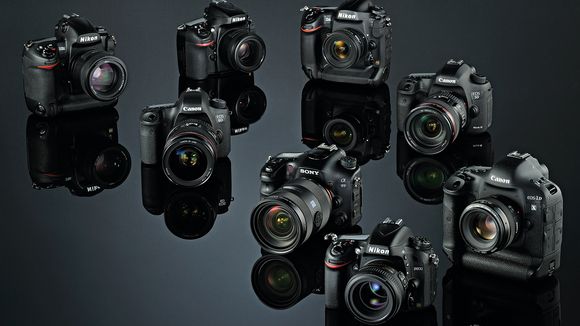
Pentax K-3II Pentax DSLR (Body Only): Buy it now
Introduction
Upon the release of the Pentax K-3 II in 2015, it established itself at the top tier of Pentax-brand APS-C DSLRs by Ricoh Imaging, leveraging the unprecedented popularity of the latter. Targeted towards enthusiasts and working professionals, the K-3 II offers advanced features and rugged build with some innovative technology to outclass in image quality and performance. This review goes through the key specifications, performance in real-life situations, the use of some exclusive features, usability, and how fitting it is in the highly competitive DSLR market of today.
Key Specifications
Key specifications
The Pentax K-3 II uses a 24.35-megapixel APS-C CMOS sensor with no anti-aliasing filter, which gives it very fine detail. The PRIME III processor handles ISO from 100 to 51,200. Autofocus is Pentax’s SAFOX 11 system, with 27 points, 25 of them cross type, and the camera shoots at up to 8.3 frames per second.
Design and build quality
The K-3 II is made for rough outdoor use. The body is magnesium alloy and weather sealed against dust and moisture, and it’s rated to work in cold down to -10°C. The grip is deep and the controls are well placed, so it stays comfortable over a long day of shooting. The optical pentaprism viewfinder covers 100% of the frame, so what you see is exactly what ends up in the photo.
Image quality
Without an anti-aliasing filter, the sensor records very fine detail and texture. If moiré appears on fine patterns such as fabric, the AA filter simulator can soften the finest detail slightly to suppress it. The K-3 II also adds Pixel Shift Resolution, which combines four shots taken with tiny sensor movements into one file with better color detail and less noise. It works best on a tripod with a still subject.
Colors are accurate and dynamic range is wide, so RAW files leave plenty of room for editing. JPEGs look natural straight out of the camera. Noise is low up to around ISO 3,200 and still manageable at 6,400, but the highest settings are for emergencies only.
Performance
The K-3 II starts up and responds quickly. The SAFOX 11 autofocus locks on fast in most light and tracks moving subjects well, though not as reliably as pro sports bodies. At 8.3 frames per second, it’s fast enough for most sports and wildlife.
Unique Features
Some of the great functionality available on the K-3 II is from the amazing Pixel Shift Resolution System. Here, the system leverages the in-body Shake Reduction (SR) mechanism to take 4 images with the sensor shifted by one pixel between each shot. The images are then combined to make one high-resolution composite image with more color accuracy, finer details, and less noise; this is great for landscapes and studio photography where every detail counts.
The K-3 II also incorporates a GPS module plus an electronic compass, which records location data as well as the direction from which the shot was taken into the image files. This geotagging facility really comes in handy for travel photographers, field researchers, and outdoorsmen as they try to fully document and plot their photographic journeys.
Features and Usability
The K-3 II has a 3.2-inch, 1.037-million-dot LCD with an anti-reflective coating, which keeps it readable in bright sun. The screen is fixed, so it doesn’t tilt or flip out for low or high angle shots.
Video is Full HD 1080p at up to 30fps, or 1080i at 60 fields per second. You get full manual exposure, a microphone input and a headphone jack, so you can use an external mic and monitor the sound as you record.
The K-3 II dropped the Wi-Fi support of the original K-3 in favor of built-in GPS. For wireless transfer and remote control from a phone, you need Pentax’s FLUcard, a Wi-Fi SD card sold separately.
Pros
-Amazing build quality with weather sealing and magnesium alloy construction.
-The resolution of the sensor is so high and contains no AA filter for maximum details.
-The advanced SAFOX 11 AF system features 27 AF points (25 cross-type) for pinpoint focusing accuracy.
-Innovative Pixel Shift Resolution System for superior image quality and color rendering.
-The GPS module is integrated, allowing geotagging and inclusion of location data into image files.
-Continuous shooting rate of 8.3 frames per second is quick enough for action sequences.
Cons
-Bulkier and heavier than some APS-C DSLRs, raising concerns over portability.
-Touchscreen functionality is limited compared to that of newer DSLR models.
-The focusing speed and sophistication may not be in competition with the best professional DSLRs.
Conclusion
Pentax K-3 II is a creative and capable digital camera built for the discerning enthusiast or professional photographer, in search of the highest-quality image, rugged build, and advanced features. High-resolution sensor, excellent autofocus mechanism, rugged construction, and unique Photon Shift Resolution technology with built-in GPS form one combo, unusual in the competitive world of DSLR. While a few areas, like autofocus speed and video capabilities, connectivity options, etc., may have only seen evolutionary improvements in newer models, the K-3 II still has an appeal to photographers who want a sturdy digital camera with unique and ergonomic features that are truly versatile.
Canon EOS 700D
The 700D features an 18MP APS-C Hybrid CMOS sensor that supports focus-by-phase contrast, phase shift, DIGIC 5, 9-point AF system, Capable of 3 inches resolution of 1.040 million pixels with flip rotation capability.
24/25/30 fps Full HD 1080p video recording and Continuous-focus mode for movie recording. Movie Servo AF, 700D will be a good choice for special camera recording when using the same lens. STM comes. In addition, the 700D can shoot continuous five frames per second, ISO from 100-12800 and extend to 25,600.
Canon EOS 700D + EF-S 18-55mm 3.5-5.6 IS STM – International Version: Buy it now
Introduction
The Canon EOS 700D came out in 2013 as an upper entry level DSLR, aimed at beginners and at people moving up from a compact camera. Its main selling point is how easy it is to learn. Below, we look at how it handles day to day and whether it makes a good first DSLR.
Key specifications
The 700D pairs an 18-megapixel APS-C sensor with a DIGIC 5 processor. That’s enough resolution for everyday shooting and prints up to A3. ISO runs from 100 to 12,800, and extends to 25,600. Autofocus through the viewfinder uses 9 points, all cross type. Video is Full HD 1080p at up to 30fps.
Design and build quality
The 700D is light and fairly compact for a DSLR. The body is mostly polycarbonate over an aluminum frame, and the textured grip is comfortable to hold.
The 3-inch, 1.04-million-dot touchscreen flips out to the side and rotates, which makes low angle, overhead and self-portrait shots much easier. The controls are simple and clearly labeled, so people coming from a compact camera will find their way around quickly.
Image quality
Colors come out bright and pleasing, and dynamic range is decent. Noise stays well controlled up to about ISO 1,600 and becomes more noticeable from 3,200.
Newer sensors capture more detail and handle low light better. In reasonable light, though, the 700D does the job well for portraits and everyday shooting.
Performance
The 700D is responsive, and focus through the viewfinder is quick and reliable. AI Servo AF tracks subjects that are moving toward or away from you. Burst shooting runs at 5 frames per second, which is enough for kids and pets, but not for serious sports.
Features and usability
The touchscreen works much like a phone. You can tap to focus, swipe through photos and change settings directly on screen. In video, the camera has manual exposure control and a microphone input, so you can use an external mic for clearer sound than the built-in one. Autofocus in video is slower and can hunt, so it suits casual clips better than serious video work.
Pros
Small and light with a vari-angle touchscreen LCD for diverse shooting options.
Good quality images from the 18-megapixel sensor with DIGIC 5 image processor.
Responsive face autofocus system based on a 9-point AF system with a cross-type center point.
Full HD 1080p video recording with manual exposure control.
Touchscreen interface that is intuitive to navigate and supports touch-to-focus.
Cons
Only Full HD video recording available, no 4K video capability found in newer models.
Limited buffer depth when compared to more expensive DSLR cameras, limiting the capacity for continuous shooting in burst mode.
Lower resolution sensor than the newer entry-level DSLRs on the market.
Conclusion
The Canon EOS 700D remains a valid choice of a camera for beginners and amateur photographers who are seeking yet another affordable DSLR camera that is easy to use and delivers suitably good image quality along with versatile performance. Although the camera was announced and launched rather a few years back, the compact design married with a touchscreen interface and rather simple feature-set means it remains attractive for those who want an easy-to-use interface for basic creativity in photography and video, without the complications of a higher-end DSLR system. While offerings newer than the EOS 700D might indeed sport a more advanced sensor, improved autofocus and better video capabilities, the 700D, however, will remain a bridesmaid for the untutored photographer on the way straying towards their first stitch in photography due to its ease of usage, superior image quality, and good controls.
Canon EOS 750D
Canon has many attractive technologies for the 750D, including a 24.2MP APS-C CMOS sensor, DIGIC 6 processor, and 19-point AF-style cross-type CMOS AF III. Face detection, AF Tracking, FlexiZone, and FlexiZone-Single-mode capture and capture video in LiveView mode.
It has an ISO range of 100-12800, continuous shooting of 5 frames per second, Full HD 1080p video recording at 30p / 25p / 24p, 3-inch touch screen with 1,040 million pixel resolution with flip capability. Rotate and connect to Wi-Fi / NFC.
Canon EOS 750D Digital SLR Camera with 18-55mm IS STM – International Version (No Warranty): Buy it now
Introduction
The Canon EOS 750D came out in 2015 as the replacement for the 700D, aimed at beginners and at people moving up from a compact camera or phone. Compared with the 700D, it has a higher resolution sensor, better autofocus and built-in Wi-Fi. Below, we look at what those upgrades mean in practice and whether it makes a good first DSLR.
Key specifications
The 750D uses a 24.2-megapixel APS-C sensor with a DIGIC 6 processor. That’s a clear jump from the 700D’s 18 megapixels, and gives more room for cropping and large prints. ISO runs from 100 to 12,800, and extends to 25,600.
Autofocus through the viewfinder uses 19 points, all cross type, up from 9 on the 700D. In live view and video, the camera uses Hybrid CMOS AF III, which focuses faster and hunts less than the 700D’s system. Video is Full HD 1080p at up to 30fps.
Design and build quality
The 750D is light and fairly compact for a DSLR, with a polycarbonate body and a textured grip that feels secure in the hand.
The 3-inch, 1.04-million-dot touchscreen flips out to the side and rotates, so low angle, overhead and self-portrait shots are easy. You can also use it to tap to focus and change settings, much like a phone. The controls are simple and clearly labeled, which makes the step up from a compact camera straightforward.
Image Quality
With its 24.2-megapixel sensor and DIGIC 6 image processor, the EOS 750D can offer excellent image characteristics with colors of a lifetime, great dynamic range, and better low-light performances than its predecessor. It shoots images that are very much in detail and tightly focused with a low level of noise up to the ISO levels considered average, hence making use in many photography types, including portraits, landscapes, and street photography.
Performance
The Canon EOS 750D performs responsively and includes improved autofocus systems. The 19 points all cross-type autofocus system locks focus onto targets fast and accurately, making it great for almost every situation. At the same time, the Hybrid CMOS AF III speeds up accuracy and focusing during live views or video shootings. The camera supports continuous shooting up to 5fps, which is great for fast action and fleeting moments.
Features and Usability
Presenting an array of features aimed at user comfort and creative control, the EOS 750D boasts a vari-angle touchscreen LCD monitor, easing menu option navigation, setting changes, or even touch-to-focus operations, all carried out in a smartphone-like manner. The camera can record movies in Full HD 1080p while retaining manual exposure control. It even allows a mic input, so an individual can capture quality audio for their video productions-suitably equating to the functions of still shots.
Pros
Sleek design, lightweight, and with a vari-angle touchscreen LCD suitable for shooting at any angle.
High resolution 24.2MP sensor and DIGIC 6 image processor combine to offer prime image quality.
Enhanced AF system comprising 19-point all cross-type AF system and Hybrid CMOS AF III for quick and precise focusing.
Full HD 1080p video recording with manual exposure control and mic input.
Easy navigation with a touchscreen interface and touch-to-focus operations.
Cons
Maximum video recording only Full HD; no 4K video found in newer models
Smaller buffer depth to that found in higher-end DSLRs,” thus limiting burst mode shooting.
Feel a bit less solid when compared to higher-tier Canon DSLRs.
Conclusion
The Canon EOS 750D is a powerful and an easy-to-use DSLR, suitable for beginner photographers, who want a more versatile yet affordable camera with some high-end features. An advanced sensor, fast autofocus system, touchscreen, and Full HD video recording capability make the camera all things that a beginner would want in order to be able to explore creative photography and video without having to worry about more advanced DSLR systems. Although newer models might offer better sensors, autofocus speed, and video capabilities, being one of the simplest cameras from Canon to operate, the EOS 750D with its good image quality and intuitive control method remains a worthwhile investment for those entering into photography.
Canon EOS 760D
Launched at the same time as the 750D and the successor to the 700D. Canon is showing a renewed interest in its entry into the entry-level camera market, which is being rivals Nikon’s same Many other companies hold; however, the 760D does not have a major upgrade in terms of specs.
The camera uses a 24.2MP APS-C CMOS sensor, DIGIC 6 image processor, supports ISO range of 100-12,800 and extends 25,600, Hybrid CMOS AF III, supports 19 focus points. Phase, more than 10 points compared to the 700D version. The sequential shooting capability of the 760D is five frames per second.
The biggest difference of the Canon 760D is that the first entry-level camera is equipped with a Canon LCD sub-screen on the right.
The Canon 760D allows full HD 1080p video recording at 30p / 25p / 24p. The camera is a good movie player with lots of options for the user.
The Canon 760D includes a 3-inch 1,040-megapixel 3-inch LCD with rotatable flip and support for Wifi / NFC connectivity.
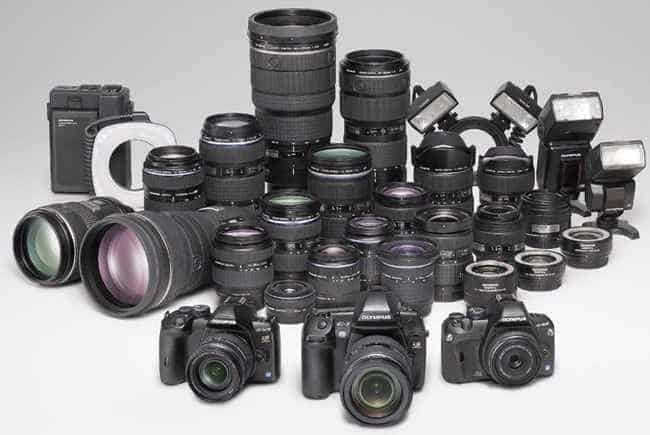
Canon EOS 760D/Rebel T6S/EOS 8000D (24.7 MP, 3-inch LCD) (Body Only) – International Version (No Warranty): Buy it now
Introduction
The Canon EOS 760D, sold as the Rebel T6s in North America and the Kiss 8000D in Japan, came out in 2015 alongside the 750D. It sits one step higher in Canon’s range, aimed at people who want more direct control than a beginner camera offers. The two cameras share the same sensor and autofocus, so the real question is whether the 760D’s extra controls are worth the higher price.
Key specifications
The 760D uses a 24.2-megapixel APS-C sensor with a DIGIC 6 processor, the same combination as the 750D. ISO runs from 100 to 12,800, and extends to 25,600. Autofocus through the viewfinder uses 19 points, all cross type, and Hybrid CMOS AF III handles focus in live view and video. Video is Full HD 1080p at up to 30fps.
Design and build quality
The body is polycarbonate with a textured grip, and it’s light for a DSLR. Where the 760D differs from the 750D is its controls. It adds a small LCD panel on top that shows your settings at a glance, a quick control dial on the back for changing aperture or exposure compensation without going into menus, and a lock on the mode dial so it doesn’t get knocked out of position in a bag.
Those changes make it faster to use in manual and semi-manual modes, which is exactly who the camera is for. The 3-inch, 1.04-million-dot vari-angle touchscreen is the same as the 750D’s.
Image quality
Colors are bright and accurate, and dynamic range is good for an APS-C camera of this period. Noise is better controlled than on the older 700D, and images stay clean up to around ISO 1,600 to 3,200. Beyond that, noise becomes more visible, so low light shooting is best kept to moderate ISO settings or helped with a faster lens.
Performance
Operationally, the Canon EOS 760D functions superbly, with quick reactions and autofocus enhancements. While the 19-point all cross-type unlocks rapid and sharp focusing actions, the Hybrid CMOS AF III faster and more accurately focuses when in Live View and during video recording. It can shoot continuously at a speed of 5 frames per second: good enough to catch the action and snatch the moment.
Features and Usability
The EOS 760D is packed with creativity-enhancing features as well as user-based functions. It has a vari-angle touchscreen LCD monitor that allows for one to learn the shooting menu with its touch, quickly change settings with taps, or touch the spot they wish to focus upon to imitate a smartphone-style operation. The advanced shooting modes like HDR and Creative Filters add opportunities for creative expression. On the other side, with a Full HD 1080p video recording system that has manual exposure control and a mic input, it opens great avenues for capturing high-quality video, apart from regular photography.
Pros
Robust and ergonomic design with a vari-angle touchscreen LCD for flexible shooting.
High-resolution 24.2 MP sensor mated with the DIGIC 6 image processor for superb image quality.
Advanced 19-point all cross-type autofocus system with Hybrid CMOS AF III for fast and accurate focusing.
Full HD 1080p video recording with manual exposure control and microphone input.
Mode dials and other controls dedicated and customizable for greater user control and creative freedom.
Cons
Only Full HD video recording is possible; lacks 4K video capabilities that newer models offer.
Lesser buffer depth in relation to more expensive DSLRs, and hence continuous shooting in burst mode is slightly curtailed.
Build quality might feel less in terms of the solidity expected from a higher-tier Canon DSLR.
Conclusion
The Canon EOS 760D is an adequately capable and versatile DSLR for enthusiasts and photographers willing to indulge advanced features along with plenty of creative control in an easy-to-use package. With features such as high-resolution sensor, responsive autofocus system, touchscreen interface, and Full HD video recording, it can be used for all kinds of photography, ranging from portraits to action and videography. While newer models may be more advanced in sensor technology, autofocus speed, and video capabilities, the EOS 760D stands out from the crowd because of its ergonomic design, controls that are pleasant to use, and a performance that is a dependable workhorse, making it an excellent choice for any enthusiast trying to channel more of his/her photographic skills into creativity.
Canon EOS 70D
The Canon 70D is now the perfect DSLR camera in its price segment for free filmmakers who want high-quality HD footage without slipping. The 70D’s specifications include a 20.2-megapixel CMOS sensor with 19-point autofocus (AF) technology, a DIGIC 5+ image processor, ISO 100-20000, 25,600-pixel widescreen.
The 70D features a 3-inch ClearView II 3-inch LCD with built-in 1.1-megapixel resolution and flip rotation. Seven frames per second continuous shooting and Full HD 1080p video recording. In addition, the machine adds a Wi-Fi connection.
Canon EOS 70D Digital SLR Camera (Body Only): Buy it now
Introduction
The Canon EOS 70D came out in 2013 as the first camera with Dual Pixel CMOS AF, a sensor design that changed how well DSLRs could focus in live view and video. It’s aimed at experienced amateurs and semi-professionals who want better autofocus and more control than an entry level camera offers. More than a decade on, the question is who it still makes sense for.
Key specifications
The 70D uses a 20.2-megapixel APS-C CMOS sensor with a DIGIC 5+ processor. ISO runs from 100 to 12,800, and extends to 25,600. Through the viewfinder, autofocus uses 19 points, all cross type. In live view and video, Dual Pixel CMOS AF takes over. It focuses quickly and moves smoothly between subjects, without the back-and-forth hunting common on older DSLRs. Video is Full HD 1080p at up to 30fps.
Design and build quality
The 70D is noticeably more solid than Canon’s entry level models, with some weather sealing against dust and light rain. The 3-inch, 1.04-million-dot vari-angle touchscreen flips out and rotates, and you can tap it to focus or change settings. The grip fills your hand properly, and the dials and buttons you use most sit right under your thumb and index finger.
Image Quality
The 20.2-megapixel sensor, in conjunction with the DIGIC 5+ processor of the 70D, is responsible for excellent image quality and rendering of accurate colors, good dynamic range, and strong performance in avoiding noise in low light settings. It gives detailed images with good sharpness and little noise through a myriad of ISO variations, making it fully capable of professional work, be it portraiture, landscapes, or action shots.
Performance
Equipped with fast and responsive operation and advanced autofocus performance, among others, the Canon EOS 70D is indeed a beauty when it comes to performance. The 19-point all cross-type autofocus ensures speedy and accurate focus acquisition via the EVF, and Dual Pixel CMOS AF speeds up and increases autofocus accuracy on Live View and during video recording. The camera can shoot 7fps in continuous shooting mode, thereby perfect for freezing extremely fast action and animated subjects.
Features and Usability
EOS 70D is designed with features that foster the user experience and promote creative freedom. The vari-angle touchscreen LCD monitor provides unlimited intuitive menu navigation, immediate setting changes, and touch-to-focus control for all operations just like using a smartphone. The camera entertains advanced shooting modes, including HDR and Multiple Exposure, to stretch creative possibilities. The camera also supports Full HD 1080p video recording with manual exposure control and microphone input for decent quality video capture alongside taking photographs.
Pros
The design follows business principles and expert manufacturing standards for exactness and durability.
Magnesium-alloy build, weather-sealed for day-long experience in the outdoors.
Excellent image quality with razor-sharp 20.2-megapixel sensor combined with DIGIC 5+ image processor.
19-point all cross-type focused AF system for accurate focusing through the optical viewfinder.
First technology of its kind, Dual Pixel CMOS AF offers speedy and precise focusing while working in live view and also during video recording.
Full HD 1080p video recording with manual exposure control and microphone input.
Vari-angle touchscreen LCD monitor that provides various shooting options as well as intuitive menu navigation.
Cons
Only Full HD is supported for video; lacks the 4K video capabilities offered in newer models.
Fairly old DIGIC 5+ image processor that maybe just a notch slower relative to some of the newer DNLA models.
Building-wise it can take more abuse, being heavier, relatively speaking, compared to the lighter counterparts in the APS-C DSLR lineup.
Conclusion
The Canon EOS 70D continues being a DSLR versatile and powerful in nature where amateurs and semi-professional photographers want to be able to work on advanced features, top-level image quality, and competent performance within a compact and ergonomic body. The high-resolution sensor, advanced autofocus systems (both through the optical viewfinder and Dual Pixel CMOS AF), touchscreen interface, and Full HD video recording capability given to it make it suitable for being raw-and-ready for a variety of photographic styles and applications. While their counterparts of more recent models would have sensor technology, autofocus speed, and video capabilities improved upon, the EOS 70D still puts forth very good performance, well-thought-of features, and ergonomic design, making it a very popular choice among photographers looking for a versatile yet reliable camera system.
Sony Alpha 77 II
The Sony Alpha 77 features a unique fuzzy mirror technology with 12 frames per second continuous shooting capability that no competitor can do.
In addition, the Alpha 77 uses the Exmor 24.3 MP image sensor with BIONZ X image processor, 14-bit A / D converter, 79 points, phase-blanking option including 15 cross-type and The focus frame occupies 40%, a large area compared to the same DSLR line.
In addition, the Alpha 77 uses the 2.359 million-dot EVF OLED Tru-Finder viewfinder that makes it easy to use in low light. It features a 3-inch, 1,228-megapixel LCD with WhiteMagic technology with two joints to change the viewing angle. ISO of 100 – 25,600, Full HD video recording 50p / 25p and support for Wi-Fi as well as NFC.
Sony A77II Digital SLR Camera (Body Only) with Sony DSLR SAL-55200/2 SAL 55-200mm F4-5.6 Sam Lens and 64GB Deluxe Accessory Kit: Buy it now
Introduction
The Sony Alpha 77 II came out in 2014 as Sony’s top APS-C camera in its A-mount range, replacing the original Alpha 77. It’s aimed at enthusiasts and professionals who shoot sports, wildlife and other fast action. The biggest changes over the A77 were a much more capable autofocus system and faster handling. The question now is whether it still suits serious photographers, given that Sony has since moved its focus to mirrorless E-mount cameras.
Strictly speaking, the A77 II isn’t a traditional DSLR. It uses Sony’s SLT (single lens translucent) design. A fixed, semi-transparent mirror sends part of the light to the autofocus sensor and lets the rest pass through to the image sensor. You frame through an electronic viewfinder rather than an optical one, and the autofocus keeps working during bursts.
Key specifications
The A77 II uses a 24.3-megapixel Exmor APS-C CMOS sensor with a BIONZ X processor. Images are detailed with accurate color, and noise is well controlled at low and moderate ISO. ISO runs from 100 to 25,600.
Autofocus uses 79 phase detection points, 15 of them cross type, spread widely across the frame, so you can track subjects well away from the center. Burst shooting reaches 12 frames per second with autofocus active, which was very fast for an APS-C camera at the time and is what makes it a strong choice for action.
Design and build quality
The body is magnesium alloy and sealed against dust and moisture, so it handles outdoor use in poor weather. The grip is large and secure, and there are plenty of dedicated buttons, which means less time in menus during a shoot.
Instead of an optical viewfinder, the A77 II has an XGA OLED electronic viewfinder with 100% coverage. It shows exposure and white balance before you take the shot, which optical viewfinders can’t do, though some photographers still prefer the look of an optical view.
Image Quality
The 24.3MP sensor with great processing courtesy of the BIONZ X processor in the Alpha 77 II gives an image quality second to none with respect to sharpness, colors, and dynamic range. Expect to catch clean and clear low lighting shots at high ISO with good noise reduction algorithms on the camera. This high resolution and responsive sensor technology are the perfect marriage for landscape, portrait, and fast-action photography, where every last detail has to be captured.
Performance
In terms of performance, the Sony Alpha 77 II has the fast and accurate autofocus along with continuous shooting capabilities that allow it to excel. The 79-point phase-detection AF system ensures that quick and precise focus is acquired even when its subject moves across the frame. The novel Translucent Mirror Technology permits AF to be maintained during high-speed shooting so as to enable photographers to maintain focus on fast-moving subjects. 12 frames per second of continuous shooting is excellent for the Alpha 77 II in applications like sports, wildlife, and other types of dynamic photography.
Unique features
Sony’s big pitch with the A77 II is Translucent Mirror Technology. The mirror doesn’t flip up like it does on a regular DSLR — it just sits there, fixed, splitting the light so most goes to the sensor and a slice peels off to a dedicated phase-detection AF sensor. Practical effect: autofocus never blacks out during bursts or while filming, which is exactly the moment older DSLRs went dumb, because their mirror had to get out of the way first. You do pay for it in light loss, just not enough to notice unless you’re pixel-peeping.
That mirror trick is also why this thing doubles as a solid little video camera — 1080p at up to 60fps, full manual exposure, stereo mics on board with a jack for an external one, and autofocus that actually follows your subject instead of hunting around.
Features and usability
Screen’s a 3-inch, 1.23-million-dot tilting panel — handy for shooting over a crowd or down low without lying on the ground. Sweep Panorama is the one-button “wave the camera around and it stitches itself” mode, and there are a few multi-shot HDR-style modes tucked in too.
Wi-Fi and NFC come built in. Beam shots to your phone, or use the phone as a remote — actually useful for group photos or anything sitting on a tripod where you don’t want to be the one hitting the shutter.
Pros
Solid magnesium alloy body with weather-proof sealing for durability and protection.
High resolution 24.3-megapixel sensor with BIONZ X for excellent image quality.
Focuses precisely and fast with an advanced 79-point phase detection autofocus system that features 15 cross-type points.
Transparent Mirror Technology performs continuous autofocus through high-speed shooting and video recording.
Fast continuous shooting at 12 frames per second is excellent for shooting fast action.
Full HD 1080p video recording at 60 frames per second with manual controls available.
Cons
A bit bulky and heavy when compared to some APS-C DSLRs; makes it a little tough to carry around.
Battery life could be better for continuous shooting sessions against other DSLRs.
Touchscreen features limited compared to most newer mirrorless camera systems.
Conclusion
The Sony Alpha 77 II is a versatile, high-performance DSLR for enthusiasts and professionals, requiring supremely high resolution, advanced autofocus operation, and continuous shooting at high speed in a larger and more durable body. The camera, equipped with a high-resolution sensor, Translucent Mirror Technology, a rapid autofocus system, and advanced video recording features, will appeal in essence to photographers and videographers intent on shooting fast-moving action-prone subjects with utmost accuracy and clarity. Its design and weight will prove unwieldy in the hands of those who give top priority to portability, but in all other respects, the Alpha 77 II delivers crack image quality and performance across all shooting conditions and genres.
Related Posts




Tech Reviewer & Product Analyst
Định Bia has spent over 10 years testing consumer electronics with a focus on smart technology. He work as a product advisor at Biareview where he helped customers find the right devices for their needs. He personally tests every product featured on this site using a consistent evaluation framework covering quality, durability, and value. All reviews are based on experience, not influenced by the manufacturer.