Design.
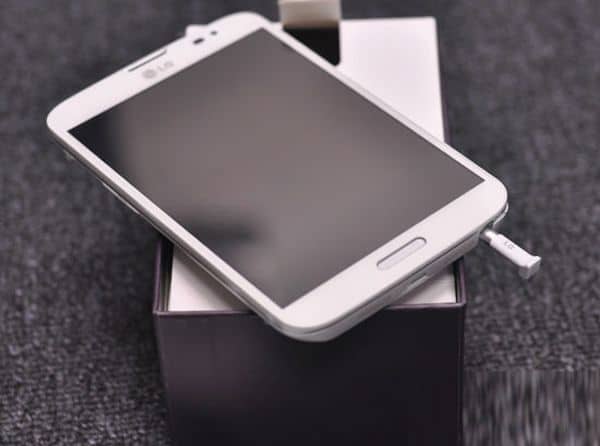
LG VU 3 is designed with a 4: 3 aspect ratio, which is the right size for surfing the web as well as viewing text because the width of the display is much higher. At this rate, the screen size is large but quite short due to my hands can reach to the majority of the screen easily.
Not only stop there with the big screen, but the body is smaller than the previous generation, so when i hold on hands feel more difficult to hold the Samsung Galaxy Note 3. According to my assessment, Figure 4: 3 of LG is special but there will be many people to choose.
The entire body is designed with plastic, on the front we have a flat key function as a signal LED, the side of the machine is equipped with a chrome plated band separating the front and back. The back of the machine is quite glossy but rather hand-held but easy to scratch, not durable.
LG VU3 is equipped with up to 13MP camera but not much improved compared to LG G Pro. An improvement over the LG VU 1 and LG VU 2 is that the VU 3 touch pen has been more compact and tidy in the body. This pen is quite simple and has only a few functions like a normal pen and does not have as many features as the pen of the Samsung Galaxy Note 3.
So, with the design of the LG VU 3 F300, the advantage of the machine is the square design makes it easy to grip and put in pocket pants, the disadvantage is the design of plastic cover is not prominent.
Monitor and Interface.
The screen of the LG VU3 F300 only stops at the HD resolution that is 4: 3 aspect ratio and the actual number is 960×1280 Megapixel. This device has only been upgraded to processor compared to VU 2. However, with the difficulty of distinguishing the normal through the eyes compared to Full HD screen with True IPS screen with incell technology of LG so beautiful. The image shows prominently, with wide viewing angles and vivid colors. The screen of LG VU 3 is enough to satisfy all of our experience.
The interface and features on the LG VU3 are quite similar to the LG G2. The LG interface is very bright. You can see colorful interface with 2 sets of main icons and you can choose many different themes that the LG VU 3 F300 is equipped.
On the interface of the LG VU3 F300 has 4 convenient points that is the first status bar has been customized with full set of fast you can customize the brightness, sound, … extremely convenient Without having to access multiple settings steps to adjust the parameters. The second is the interface lock screen is very beautiful with many eye-catching effects so you can choose these interfaces. Third is the icon set is much better than previous products, much brighter with many colorful backgrounds available that you can choose. And finally, the machine has been running Android 4.4.2 operating system.
The latest feature on the LG VU3 F300 is that when you pull this pen into the machine will automatically show up applications suitable for using the user’s pen, writing or drawing with this pen is very easy. However, this pen is small in size and hard to handle.
Display Quality
The LG Vu3 display quality is pretty decent for its time, you know, with vivid colors and fairly good clarity. That 960 x 1280 pixel resolution gives you around 256 PPI, so text, icons, and images look pretty sharp overall. The IPS tech also helps keep color accuracy more even, plus it offers wide viewing angles, so it still feels pleasant when you watch from different spots or angles.
But, brightness levels and the contrast ratio are not quite as strong as what some of the newer screens on the market deliver. In direct sunlight the display can be a little hard to read, though indoors it manages well enough.
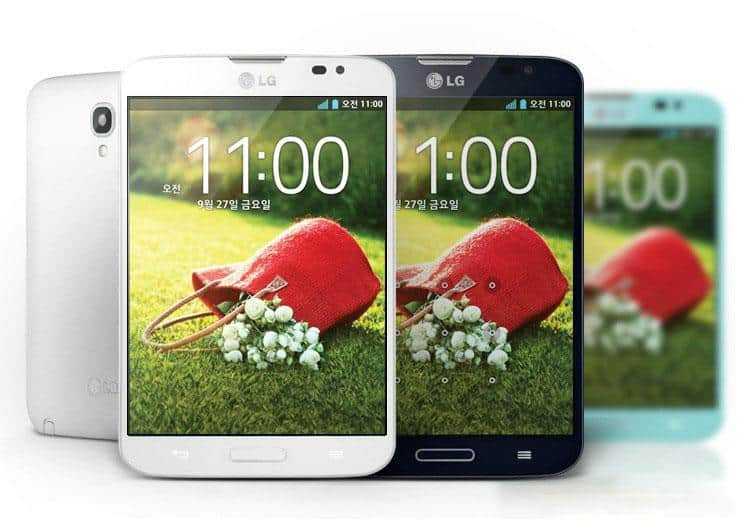
LG Vu3 LG-F300 K White Factory Unlocked 4:3 IPS True HD+ Smart Phone: Buy it now
Performance and Functionality
1. Hardware Specifications
The LG Vu3 is powered by a Qualcomm Snapdragon 800 chipset, and inside that there’s a quad-core Krait 400 processor running at 2.26 GHz. At the time, this combo was considered one of the stronger choices around, so you’d get that generally smooth , quick kind of response across a lot of everyday apps.
For memory and storage, it comes with 2 GB of RAM and 32 GB of internal storage. You can also expand storage by microSD up to 64 GB. Overall, this gives enough room for apps, photos , audio and other files, plus it helps with multitasking, without that constant feeling of being crowded.
2. Performance
With the Snapdragon 800 doing the heavy lifting, the LG Vu3 shows solid results through gaming , multimedia playback, and productivity tasks. Most applications open readily and stay responsive, it feels pretty fluid, like there’s not much lag when switching between things. The performance level is still pretty capable for users looking at a phablet that doesn’t just “handle” basics but can push through demanding moments too.
The 2 GB of RAM plays a big role here, it helps the device juggle multiple apps at once. In practice, this means fewer slowdowns , and fewer situations where an app suddenly crashes or reloads. You can keep more than one app running, without seeing major performance problems, so it works for people who want versatility from day to day.
3. Battery Life
The LG Vu3 packs a 2,800 mAh battery. For its size and feature set, it delivers a decent day of use. In typical scenarios , like web browsing, watching multimedia, and regular communication, it can usually get you through the full day.
Battery life really depends on the usual suspects, like how bright the screen is, how much the network is busy doing, and what the apps are up to when you’re not looking. The 2,800 mAh battery is decent for most people, however if you keep pushing it all day long, you may end up recharging more often than you meant to. That said, the phone also has some power saving features so when you need to stretch, your time a bit further you can switch over to a calmer mode.
4. Connectivity and Network Support
The LG Vu3 comes with several connectivity options, like 4G LTE, Wi‑Fi, Bluetooth 4.0, and NFC. In practice, these features help users stay online , and move files pretty efficiently too. It also supports multiple network bands, so it should work with a broad set of carriers, not just one specific network in particular.
On top of that, NFC inclusion is there for the easier kind of pairing with other devices, plus quick access to NFC-enabled services. Overall the phone’s connectivity feels complete and pretty aligned with current devices, giving you that sort of connected , ready-to-go experience.
Camera Performance
1. Camera Specifications
The LG Vu3 has a 13-megapixel back camera with an LED flash thing, plus a 2.1-megapixel front camera for selfies and those video call moments. The primary rear shooter also brings autofocus , face detection, and geo tagging which together kind of opens up a wider menu of ways to grab photos and videos.
Meanwhile , the front camera is designed for selfies and video chats , and it delivers a reasonable quality considering its resolution. The camera interface brings multiple modes and settings to improve the overall shooting feel , for example panorama, HDR, and burst mode.
2. Image Quality
The 13-megapixel rear camera delivers pretty solid image quality for its time, it makes sharp, clear photos with overall accurate color. The lens does well when there’s enough light, capturing those fine details while keeping noise pretty low.
Once you move into darker settings the whole thing turns a bit less impressive, with more noticeable noise and softer detail. The LED flash is there to help , it improves low-light shots, but it still can’t guarantee the most flattering results every single time.
The front-facing camera gives adequate quality for selfies and video calls, with acceptable detail and decent color accuracy. It feels fine for casual photos and everyday communication, nothing too fancy but it works.
3. Video Recording
The LG Vu3’s rear camera supports full HD 1080p video recording, so you get good video quality and smooth playback. It also has features like video stabilization , which helps reduce camera shake and makes the footage feel steadier overall.
In general the video recording results are pretty good, with clear and detailed clips. The camera’s video ability matches what other phones around that era were doing, so it’s a reliable choice if you’re just trying to capture video content without too much trouble.
User Experience
1. Ease of Use
The LG Vu3’s user experience is set up to really use the large 4:3 display, giving you a bunch of features and functions that support productivity and multimedia use. The UI is intuitive, and it’s generally easy to move around in, with customizable options that can fit individual preferences.
The big screen gives you more room for multitasking and day to day productivity, which makes the device more suitable if you want a phablet for both work and entertainment. The interface also includes various tools and apps to make everything smoother, like LG’s QuickMemo and a set of productivity applications.
2. Software, apps, and all that stuff
The LG Vu3 runs Android 4.2.2 Jelly Bean, but with LG’s own custom interface sitting on top. On it you get a bunch of pre-installed applications, like email, web browsing, and multimedia utilities. With that big display, using these tools feels more natural and kind of faster too, mostly because your fingers and eyes have more room.
It also lets you install third party applications and games. For extra downloads there’s access to the Google Play Store. In general the phone’s overall speed plus its storage makes it easier to try a wider range of apps, and also to do personalization without running out of space too quickly.
3. Multimedia, entertainment, and watching stuff
The LG Vu3 fits multimedia and entertainment well, mainly because of its large display and solid hardware. It can handle multiple media formats for example video playback, music, and looking at images.
Its 4:3 screen ratio is a bit different from what most people expect, since it gives a slightly altered viewing experience than wide-screen devices. Depending on the content, you might see black bars around the video, still that extra vertical space can be useful for certain types of media, like older programs or taller photos, even some reading material.
On top of that, there is a built-in media player and support for various streaming services. So users get a more flexible entertainment routine. And because the screen is roomy, both videos and pictures look better, which makes the LG Vu3 a pretty good pick for people who care about media consumption, more than anything else.
Market Position and Competition
1. Market Context
The LG Vu3 hit the market when phablets were kind of trending, and LG tried to stand out by pushing a unusual 4:3 display ratio. The whole idea was to catch people who wanted a bigger screen, without really jumping straight into a tablet. So it was sort of a middle road between carry-ability and day to day productivity, you know, that sweet spot.
2. Competition
Of course the LG Vu3 didn’t arrive in a vacuum. It ran into plenty of competition from other phablets and also smartphones with large, expansive screens. Some of the main names were:
Samsung Galaxy Note 3: This one had a larger 5.7 inch display, it used a 16:9 aspect ratio, and it came with a stylus that improved productivity a lot. Because of that it felt like a close rival, a direct clash, in the phablet space.
Sony Xperia Z Ultra: Sony’s Xperia Z Ultra brought a 6.4 inch display and leaned hard into multimedia, plus strong performance too. It felt different compared to the more “work first” style competitors, mainly because it kept things slimmer and aimed for a high resolution viewing experience.
HTC One Max: The HTC One Max went with a 5.9 inch display and used BoomSound speakers, which helped the multimedia side. It also included a fingerprint scanner, sort of extra protection but also convenience in real life, not just on paper.
3. Positioning and unique selling points
The LG Vu3’s USP’s sort of were its 4:3 aspect ratio, and also this strong push toward productivity, you know. The idea was to give more vertical room for tasks like reading, or editing documents, and in that way it tried to stand out from other big-screen phones that mostly rely on widescreen layouts.
The device’s build quality , the kind of display engineering it used, and then the productivity utilities all played a role in how it was positioned in the market. Even if the LG Vu3 didn’t reach the same sales momentum as some of the more famous competitors, it still found a small but clear slice of users who wanted a different kind of phablet experience, a more “work-forward” one.
User reviews and feedback
1. Positive reviews
People gave the LG Vu3 a lot of compliments for both its unusual look and day-to-day functionality. They mentioned that the big 4:3 screen felt great for productivity chores, because it made reading and editing documents much more comfortable. At the same time the build quality, plus that more premium feel, was repeatedly brought up as something that helped the overall experience stay satisfying.
Also, the productivity tools—like QuickMemo and Dual Window—were received positively, since they offered practical options for keeping things organized and multitasking without so much friction. And the performance was a common theme too: users said it handled different apps and everyday tasks in a smooth way, without feeling jumpy or slow.
2. Criticisms
Despite its strengths, the LG Vu3 was met with several criticisms, kind of over time. The biggest complaint was its bulky size ,which made it less portable and also a bit annoying to hold compared with more compact smartphones. The 4:3 aspect ratio, though it sounded innovative at first, was also viewed as a downside for widescreen media content, so you’d get black bars when watching videos. Not exactly ideal, you know.
Also the camera performance was often judged as just average. Some users seemed pretty disappointed, especially with low-light image quality and the more basic feature set. On top of that, battery life, while decent, wasn’t as long lasting as some competitors, meaning you had to plug it in more often when using it heavily.
3. Long-Term Perspective
Looking back, the LG Vu3 is often described as a unique and bold experiment in the phablet market. Its unusual design and its emphasis on productivity felt like a real detour from more conventional devices. For a certain kind of user it was appealing, mainly those who cared about novelty, and usefulness at the same time.
Even if the LG Vu3 didn’t reach major commercial success, its influence on mobile design and the overall user experience is still pretty noticeable. It basically showed that different display ratios and productivity oriented features could work, and that idea likely fed into later devices and design concepts.
Conclusion
The LG Vu3 F300, in a way, marks a sort of distinctive chapter in the phablet evolution, it has this uncommon 4:3 display ratio and it leans heavily into productivity. The design felt more fresh than expected, and with solid performance, plus practical tools for day to day work , it became a fairly notable option back then.
That said, the LG Vu3 also had its own problems, like the bulky body, and sure the aspect ratio is not exactly great when you mostly watch movies or scroll through typical video content. Still, it stands as a real proof that LG was willing to experiment , and not just copy what everyone else was doing. The build quality, the hardware muscle , and the whole productivity focus all helped shape a positive user experience even if it was a bit niche.
In the end the LG Vu3 F300 is usually remembered as bold and inventive , it carved out a small but real, different lane in the phablet market. You can even see a kind of legacy there, in how modern phones still explore alternative display ratios, and keep adding work oriented features. The LG Vu3 is one of those examples where design and functionality actually meet in a way that feels distinctive, and honestly memorable too.

Related Posts

Tech Reviewer & Product Analyst
Định Bia has spent over 10 years testing consumer electronics with a focus on smart technology. He work as a product advisor at Biareview where he helped customers find the right devices for their needs. He personally tests every product featured on this site using a consistent evaluation framework covering quality, durability, and value. All reviews are based on experience, not influenced by the manufacturer.