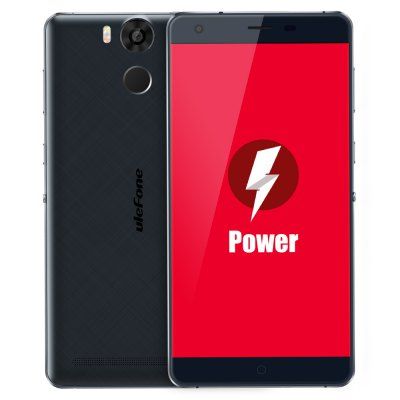
Design and build quality
The Ulefone Power series kind of sticks to the rugged whole idea, and it stays pretty consistent. These phones are made so they can take harsh conditions, so they work well for outdoor folks, industrial users, and honestly anyone who just wants a tough handset. You’ll usually see reinforced corners, durable materials like polycarbonate, and in some cases metal frames as extra reinforcement. Also, the devices are commonly water and dust-resistant. Many models land on IP68 or IP69K, so they’re supposed to handle dunking in water, dust exposure, and also drops from high places, without immediately giving up.
In terms of build quality, it feels solid overall. The phones sit okay in the hand, and the materials feel pretty legit, like theyre not cheap even if the design is clearly meant to be practical. The whole look is more utilitarian than stylish, most days anyway. Still the newer models try to blend toughness with more current design trends, with thinner profiles, and a kind of cleaner appearance.
Display
For the display, the Ulefone Power line typically brings screens that are big, bright, and sharp. Size wise you’re usually looking at something around 5.5 inches up to about 6.3 inches, with resolutions that often land in Full HD territory, 1080p. Brightness is one of the strong points here, because the panels can stay readable even outdoors and in direct sunlight too. This matters a lot for people who actually use their phone outside. On top of that, the screens are usually covered with Corning Gorilla Glass, which gives extra guardrails against scratches and those everyday little knocks.
That said, the display quality is generally good but it does not really match what flagship phones from the big brands do. Color accuracy and viewing angles are fine, but they’re not standout. Still, given the intended audience, and the fact that the main selling points are battery endurance and durability, the display is more than enough for most users.
Performance
The Ulefone Power series runs on mid range chips, usually something like MediaTek or Qualcomm. In most cases there is a decent amount of RAM, 4GB up to 6GB, plus internal storage that feels roomy, often 64GB at the start, and later 128GB or even more. Day to day use tends to feel smooth, web browsing, scrolling social media, and casual games work fine. But it’s not really built for heavy gaming, nor for intense multitasking where everything is running at once.
On the software side, the experience is fairly clean, because Ulefone goes for a near stock Android vibe, more or less. That style keeps things quick, and it also helps the handsets get updates on time. Since they do not pile on lots of custom features, you usually see fewer weird issues and overall steadier performance.
Battery Life
Battery life is honestly where the Ulefone Power line really does stand out. These phones come with massive power cells, usually somewhere between 5000mAh and 13,000mAh. So you can kind of expect standout endurance, like a few models can stretch out for several days on a single charge even when your usage is moderate, or heavier in between. There is also fast charging, which matters a lot when the battery capacity is that large.
Plus, a few models even include wireless charging, which is a nice add on for convenience. And beyond the raw battery size, the power efficient processors plus the near stock Android setup help keep background battery drain under control, so the charge stretches further.
Camera Performance
Ulefone Power series camera performance is really, well it’s adequate but it’s not the thing they shine at the most. Most of the time you get dual or triple camera setups ,and the main sensor can sit anywhere from 13MP up to 48MP. The other one(s) are typically ultra-wide or macro style, so yeah you still get a bit of extra flexibility when you want wider shots or closer details.
When light is pretty good the photos look decent, they keep decent detail and the colors usually stay on point. But once you drop into low light, things start to wobble, you’ll notice more noise, and the sharpness kind of falls off a bit. The camera app is basic but it does the job, with modes like HDR, panorama, and night mode. Still, it doesn’t really bring the advanced bells and whistles, no serious AI enhancements like you might see on more premium phones.
The front cameras are usually around 8MP to 16MP, and for selfies they’re fine. For video calls and social media they work well enough, though they’re not anything to brag about when you care about fine detail or broader dynamic range.
Software and Features
The Ulefone Power series runs Android, most of the time in a near-stock kind of way. That usually means there’s less bloatware, so the phone feels cleaner and more fluid during day to day use. Because they don’t go too heavy on custom skins, you tend to get better overall performance and quicker update cycles. Ulefone sometimes throws in small utility things, like configurable buttons ,plus extra privacy options, which can be pretty handy if you’re the type who likes control
There’s also an efficiency-first mindset in the software, and that matches the huge batteries these models carry. On top of that, some rugged-oriented features show up, for example an outdoor toolkit, with extra tools like a compass, a barometer, and a sound meter. If you use your phone for outdoor work, industrial tasks, or just you know, practical field use , these additions can actually feel useful.
Connectivity and Network
The Ulefone Power series seems to give you a lot of connectivity options, kinda flexible. Most of the time they are dual-SIM, with 4G LTE support on both SIM slots. You also get Wi-Fi, Bluetooth, and NFC, which helps with contactless payments and sort of quick pairing with other gadgets. Usually there is a USB-C port, for charging and also for data transfer, which honestly feels like a small win since it can mean faster charging and a steadier connection.
On top of that, some models include global bands too, so they can be handy for international travelers who need a phone that actually works in different regions. Call quality is generally pretty solid, clear enough audio, and signal reception is usually strong.
Audio and Multimedia
When it comes to audio, the Ulefone Power line is… decent, not wow-level. Usually, there is just one bottom-firing speaker and it manages okay volume, plus pretty decent clarity for casual listening. But yeah the sound can turn kind of tinny if you crank the volume too high, like instantly. If you want something with more weight, headphones are the easy move , either via a 3.5mm jack (assuming the model includes it ) or over Bluetooth.
For multimedia, these devices handle video playback and music streaming with no real drama. The big, higher resolution screens make watching stuff feel enjoyable, and internal storage is usually roomy enough so you can keep media files locally. But if you’re thinking about more demanding things, like high-end gaming, or serious video editing, the mid-range hardware may not keep up, and that’s where performance can get limited.
Security Features
In the Ulefone Power line you’ll usually find a set of basic safeguards, like a fingerprint sensor and facial recognition. The fingerprint option is normally placed on the back or along the side, and it tends to be fast. It’s also pretty dependable even when you’re moving around. Facial recognition is convenient, but it’s a little less steady than the fingerprint sensor, and in darker rooms it can act a bit strange, or just underperform.
On top of that, some models bring extra protections, for example encrypted storage and an app lock. That app lock helps you shield particular apps using a password , or sometimes by using a fingerprint, depending on the device. Together these functions create an additional barricade and honestly it matters a lot if you store sensitive stuff on your phone.
Durability and Ruggedness
One of the thing that really stands out with the Ulefone Power series is durability. These handsets are built to take the kind of tough day-to-day wear, and they’re usually pitched at folks who want a dependable gadget when the surroundings are rough, really rough. A lot of them come with an IP68 or IP69K certification , so they’re basically made to resist dust, water, and high pressure water spraying too. So in places where splashes, grit, or the odd accidental bump happen more often than anyone would admit, they tend to hold up better.
It isn’t only about water and dirt though. They’re also engineered for impacts, with reinforced corners and solid materials, that help reduce damage when dropped, or tossed back into a pocket. Some models even have a MIL-STD-810G rating , which typically points to military level durability testing. In other words the casing and internal parts are supposed to be sturdier than what you’d find in most normal phones.
Pricing and Value for Money
The Ulefone Power line usually sits in the mid-range price bracket, and honestly it feels like a pretty solid deal, mainly because the included features and the overall sturdiness are not just talk. In many cases these phones cost less than similarly rugged smartphones from other brands, so for people who are trying to keep a budget, but still need something tough, it becomes a sensible, almost straightforward choice.
What really makes the pricing feel sharp is the huge battery capacity, the decent day to day performance, and those rugged oriented features. Still, you should keep in mind that camera results and display quality might not match up with pricier competitors , so if photos and screen clarity are big priorities, then yeah that is worth considering before you buy.
Customer Support and Warranty
Ulefone usually gives a pretty standard warranty on their devices, and most of the time it covers manufacturing defects for about one year, or so. Now, yeah they do have a wider global presence, and you can contact support via their website, also through authorized service centers. Still, what you actually get, like how fast they respond and how good the help is, can change a lot depending on your location. Sometimes it feels smooth, other times it just… not as responsive, you know.
Reviews online about customer support are pretty mixed, some users mention smooth help, while others describe frustration when getting problems sorted. To reduce the chance of headaches, it is often advised to purchase through authorized dealers or directly from Ulefone’s official online store , that way you are more likely to get genuine units and the right type of back up if anything goes wrong.
User Feedback , and Reviews
The Ulefone Power series has been getting mostly positive feedback from users. Especially the ones who care more about battery life and real world durability , or whatever. People keep mentioning the massive battery capacity as a recurring highlight, with many saying the phone just keeps going and it’s a lot easier to live with, since you don’t have to charge it that often.
Also, the ruggedness gets a lot of praise, because users like the idea that they can use the phone in tough environments without always worrying about damage . Still, there are a couple of usual problems too, mainly the camera performance and the display quality. Some reviewers mention that those areas are not as strong as the other features, and that can feel a bit uneven compared to the battery and build.
So overall the feedback paints a picture of the strengths AND the weaknesses of the Ulefone Power line. Most people seem satisfied with what they get for the price , like value for money in a pretty straightforward way.
Competitors
Of course the Ulefone Power series is not alone. It faces competition from other rugged smartphone brands like Doogee, Blackview and CAT. These companies typically bring similar ideas to the table, durability, battery life, and that rugged design style people expect.
Among the competitors, Doogee is kind of a notable player, with its own range of rugged phones, including the Doogee S series . Doogee devices often push durability hard, and they usually include similar IP68 IP69K type ratings, plus large battery capacities . But Ulefone tends to give slightly better battery performance in terms of how long it lasts , and their devices often include more refined software experiences too.
Blackview is another notable competitor , with its BV series throwing out rugged smartphones that are sort of similar in design and day to day functionality to Ulefone’s Power series. Blackview phones are also often praised for durability and battery longevity, yet they tend to push affordability a bit more, sometimes at the cost of pure performance and camera clarity. Meanwhile, Ulefone’s Power line usually gets the slight edge in whole build quality as well as speed, even if Blackview might attract buyers who are more budget conscious.
CAT (Caterpillar) smartphones are well known in the rugged phone realm, especially among folks working in construction and other industrial areas. CAT phones, like the CAT S61 and S62 Pro , come with strong rugged features, including thermal imaging and a bunch of advanced sensors. Still, these devices are frequently priced higher than what you’ll see with Ulefone. So the Ulefone Power series often looks like the more economical choice for people who do not truly need those specialized CAT extras.
Oukitel is also in the mix, competing in the rugged smartphone space, with its WP series frequently being compared to Ulefone’s Power series. Oukitel devices are similarly tough and they emphasize large batteries , but Ulefone’s focus on polish in software and build construction gives it an advantage. Oukitel phones usually cost less, but that can mean trade offs, especially around camera results and overall user experience.
Use Cases and Target Audience
The Ulefone Power series is made for users who treat battery endurance and durability as the main priority. These phones work particularly well for:
Outdoor Enthusiasts: Hikers, campers, and people who chase adventure who need a dependable phone that can really run for several days, without charging, and still handle exposure to the elements will likely find the Ulefone Power series a good fit. The extended battery life means you can stay in touch even when you’re way out there , in remote zones, and the rugged look and build suggests the device will take drops, water , and dust without much trouble.
Industrial Workers: Folks on construction sites, in manufacturing, or any kind of hands-on workspace where the phone gets treated a bit rough will probably appreciate what the Ulefone Power series brings. These phones are made to endure sudden drops, jolts, and contact with water and dust so they feel like a reliable work companion, for professionals who don’t want the handset to easily crack or quit.
Frequent Travelers: If you’re always moving around, especially when you’re in areas with limited charging options then the Ulefone Power series sounds convenient. You get long battery endurance plus broad connectivity support, and the dual SIM setup with its wide network coverage makes it a sensible pick for international trips.
Emergency Preparedness: The Ulefone Power series can also work well for anyone stocking up for emergencies. With the long battery , the phone can sit on standby for extended stretches, and the tough exterior means it can be trusted during urgent moments when a regular smartphone might not hold up.
Pros and Cons
Pros:
Exceptional Battery Life: the Ulefone Power series really shines with its huge battery capacity. it can stretch for several days on one charge, which is a big deal for people who mostly care about endurance not fuss.
Rugged Design: it comes with IP68 / IP69K ratings and on some models MIL-STD-810G certifications, so it’s made for harsh environments , water dust and even those inevitable drops.
Value for Money: you get a solid mix of features plus durability for a competitive price. so it feels like good value if you’re budget minded but still want a sturdy phone.
Near-Stock Android Experience: the software is kept pretty minimal. that means a clean interface, smoother daily performance and fewer pre installed apps, overall it feels more streamlined and less crowded.
Global Connectivity: because it supports multiple network bands and dual SIM, the Ulefone Power series works well for travelers who move around a lot, internationally.
Cons :
Average camera performance , the cameras are okay for casual photography but they do not really keep up with those higher-end smartphones especially when its low light.
Bulky design , because of the bigger battery plus the rugged build, the Ulefone Power series tends to be bulkier and heavier than normal smartphones , and that might not suit everyone.
Limited availability of accessories , compared to more mainstream brands, it can be harder to find cases, screen protectors, or even replacement parts for the Ulefone Power range.
Inconsistent software updates, the phones feel like a clean Android setup, but Ulefone’s update history is kind of uneven, some models get updates on time while others… not so much.
Mediocre audio quality , the speaker output is usually adequate but it is not exceptional, some users feel the sound is a bit thin or lacking, mainly when you push the volume up.
Conclusion
Ulefone Power series is kind of an interesting pick for people who want a durable, long-lasting smartphone that can survive real life, not just nice desk conditions. The battery situation is really strong, the design feels rugged enough for rough days, and honestly the pricing stays pretty competitive. So in the mid-range rugged phone space, it stands out, even if it doesn’t go all in on everything.
It won’t necessarily wow you with camera performance or a super sleek, polished look. Still, it more or less compensates for those gaps with the stuff that matters day to day, like stamina, sturdiness, and that no-nonsense feel. For outdoor lovers, industrial workers, and anyone who needs a device that keeps running for days without charging, this series feels reliable and budget-friendly.
There is also the “near-stock Android” vibe, plus a build that seems intent on lasting, and that combination gives good value overall. In other words it’s a solid contender, but only within its niche, because it’s built around a specific kind of user, not for everyone.
That said, buyers should keep in mind the compromises, mainly the extra bulk and the limits of the camera. If your priorities are power, endurance, and durability, then the Ulefone Power series is hard to beat, quite honestly. But if you want a more well-rounded phone with features that behave like flagship models, you may need to look elsewhere… or accept that some parts will be less impressive.
Ultimately, the Ulefone Power series delivers what it promises: a dependable, long-lasting rugged smartphone. And if you match that target profile, it’s a good choice, not a maybe.
Ulefone Power 5.5 Inch Android 5.1 Smartphone, MTK6753 64-Bit Octa-core 1.3GHz, 3GB RAM + 16GB ROM GSM & WCDMA & FDD-LTE (Dark Blue): Buy it now
Ulefone Power 4G LTE Smartphone 5.5″Inch Dual Sim Mobile Phone MTK6753 Octa Core Fingerprint ID 3GB RAM 16GB ROM 13.0MP (Ulefone Power-Blue): Buy it now
Ulefone Power 5.5 Inch Android 5.1 Smartphone, MTK6753 64-Bit Octa-core 1.3GHz, 3GB RAM + 16GB ROM GSM & WCDMA & FDD-LTE (Wooden): Buy it now
Ulefone Power 4G LTE Smartphone 5.5″Inch Dual Sim Mobile Phone MTK6753 Octa Core Fingerprint ID 3GB RAM 16GB ROM 13.0MP (Ulefone Power-White): Buy it now





Tech Reviewer & Product Analyst
Định Bia has spent over 10 years testing consumer electronics with a focus on smart technology. He work as a product advisor at Biareview where he helped customers find the right devices for their needs. He personally tests every product featured on this site using a consistent evaluation framework covering quality, durability, and value. All reviews are based on experience, not influenced by the manufacturer.