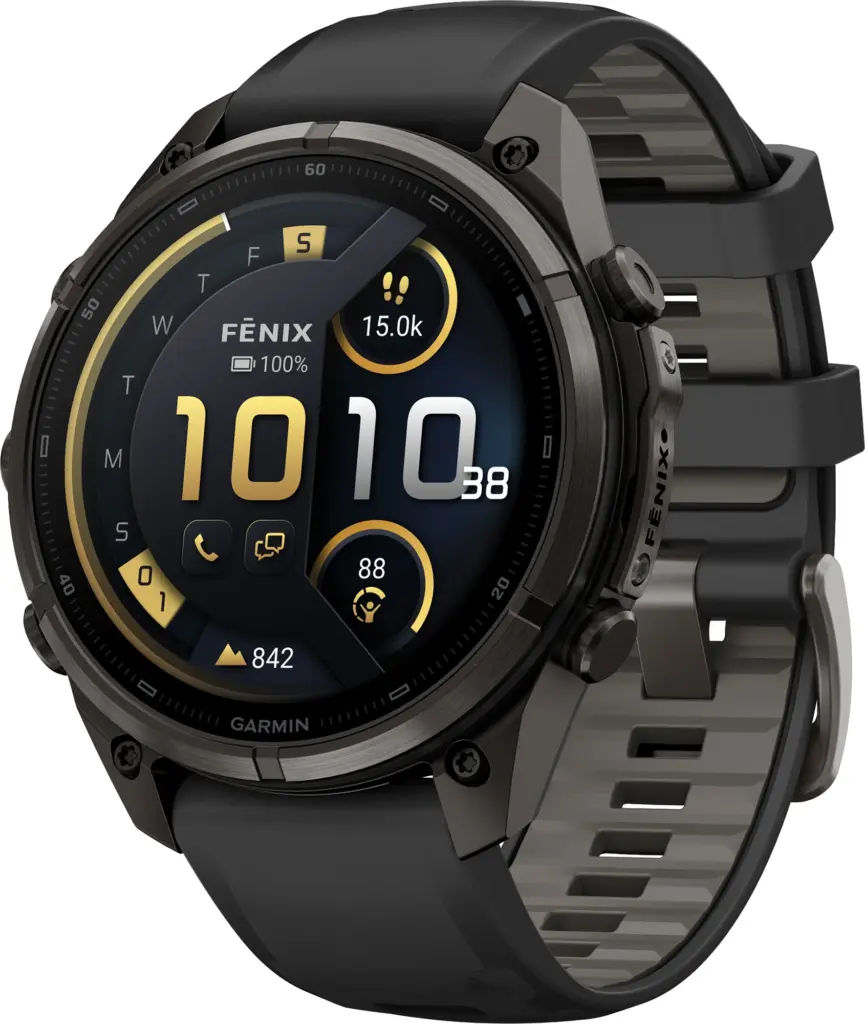
Tech forums have been going back and forth lately about how well the Garmin Fenix 9 Pro actually tracks your health. I wear this stuff every day, so I couldn’t leave it alone. Are the numbers worth trusting? Here’s what I found.
How accurate are the Garmin Fenix 9 Pro’s readings in real use
The sensors on the Garmin Fenix 9 Pro read trends well, but they won’t stand in for medical equipment. The algorithms have improved noticeably, and the numbers now land closer to what your body actually feels.
Overall sleep tracking and sleep stages
Sleep tracking on the Garmin Fenix 9 Pro is reliable enough at counting hours. Splitting the night into stages is where it slips. It catches the moment you drop off almost exactly, with the motion sensor and heart rate working together. Deep, light and REM are another story: the error there still sits around 25%. My Garmin watch has read lying still and scrolling my phone in bed as deep sleep.
Heart rate variability (HRV) and stress level
The HRV and stress readings it takes overnight pick up what your autonomic nervous system is doing. The watch tracks the gaps between your heartbeats while you rest.
It adds all that up on its own and warns you when you’re overloaded or close to burning out. This is the reading I’d pay for. It spots fatigue before I feel it, and it’s usually right.
Body Battery and the Training Readiness score
Body Battery and the training readiness score forecast your energy from your HRV, your sleep and your activity history. The score tells you whether today is a day to go hard or a day to back off.
The algorithm is smart about it and lands close to how tired I actually am. I rate this one highly, because it helps me plan work and training around what I’ve got left in the tank.
How do you get the most accurate readings out of the Garmin Fenix 9 Pro?
How you wear and set up the smartwatch decides what the sensors on the Garmin Fenix 9 Pro have to work with. A few small things you can fix today:
Wear the silicone strap snugly. Tight enough for the sensor to stay against your skin, loose enough that you forget it’s there.
- Dust on the back of the watch blocks the optical sensor, so wipe the glass. The heart rate signal steadies out once you do.
- Age, weight and height have to be right in the companion app, or the algorithm works from the wrong numbers.
- Keep wearing it at night. HRV and sleep need at least three straight weeks, 21 nights, before the watch has a personal baseline worth trusting.
- Sync with Garmin Connect often, and the system picks up changes in your body while they’re happening.
All in all, the Garmin Fenix 9 Pro is still a health tracker you can rely on, as long as you read the numbers as trends over weeks and not as single results. HRV is my favorite part, because it tells me days ahead when my body is about to hit the wall. How about the rest of you, does the sleep score match how you actually feel in the morning?
Garmin fēnix® 9 Pro, inReach®, Titanium, 51mm, Graphite/Black: Check Availability on Amazon
Garmin fēnix® 9 Pro, Titanium, 47mm, Autumn Orange/Spark Orange: Check Availability on Amazon
Garmin fēnix® 9 Pro, DLC Titanium, 47mm, Black/Pebble Gray:
Garmin fēnix® 9 Pro, inReach®, DLC Titanium, 47mm, Black/Pebble Gray: Check Availability on Amazon
Garmin fēnix® 9 Pro Solar, inReach®, Titanium, 51mm, Graphite/Black: Check Availability on Amazon
Related Posts


