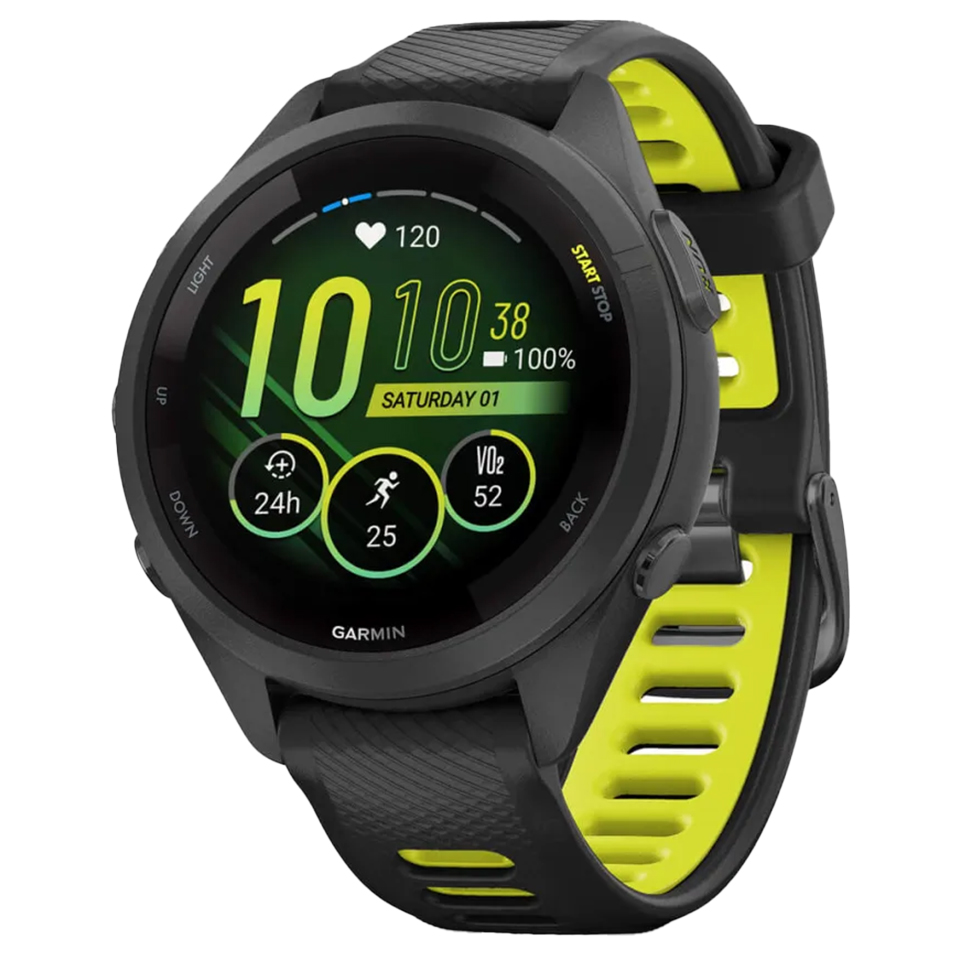
Garmin smartwatches log your time and distance in the pool, and they also give you SWOLF, a score for how efficient each length was. I think it’s one of the more interesting numbers on the watch if you’re working on technique. It ties your speed to your stroke count, so it doesn’t just nag you to go faster.
Table of Contents
What is SWOLF?
On a Garmin watch, SWOLF is the time for a length plus the strokes you took in it. Swim 25 m in 30 seconds with 15 strokes and you get 45. Lower usually means your speed and stroke count are working together better.
That doesn’t make lower always better. A fast swimmer taking lots of quick strokes can land on the same score as a slower swimmer with a long reach. Read SWOLF next to your time, distance and effort before you judge your technique.
Setting up your Garmin for accurate SWOLF
The numbers only mean something if the watch knows what pool you’re in. Before you get in:
- Set the exact pool length before you start the activity.
- Push off the wall cleanly at each turn so the watch registers a new length.
- Stay on one stroke within a length. Switching halfway can throw off the recording.
- Use the Lap or Back-Lap button the way your model expects, so rest doesn’t blur into swim time.
Pool length is the one I’d check first. It’s basic and easy to forget, and if it’s wrong, your distance, length count and SWOLF can all be off.
Garmin Swim 2, GPS Swimming Smartwatch for Pool and Open Water, Underwater Heart Rate, Records Distance, Pace, Stroke Count and Type, White: Check Availability on Amazon
How to lower your SWOLF
Don’t chase length time or stroke count on its own. The aim is to go fast while creating as little drag as you can.
Fix your position
Your Garmin data will show how your efficiency changes when your body position does. Keep your head, torso, hips and legs roughly in line. Lifting your head too high or letting your hips sink both cost you.
Body roll is worth working on too, and the watch lets you compare SWOLF across sessions as you try it. A moderate roll with each arm stroke gives you more reach and gets your core involved.
Work on the arm stroke
Focus on the catch and pull. When you catch the water properly, your hand and forearm push more efficiently, and each stroke carries you further without adding turnover.
Don’t stretch the stroke out at any cost. If you over-extend or wait too long between strokes, your rhythm breaks, your length time climbs and your SWOLF doesn’t improve.
Keep a steady kick
People chasing a stroke count tend to forget their legs. It’s the part I see skipped most. You want arms, legs and position working together, not a low score for its own sake.
After each swim, check your SWOLF against earlier sessions. Change one thing at a time, whether position, kick or catch, and watch how the number moves over a few weeks.
This is the same version I landed on last time, since the source text is the same. Your links to Tinhte and CellphoneS aren’t in this paste, so add them back where you want them.
Related Posts


