Heart rate zones (HR Zones)
When you first buy a watch, most of us leave every manufacturer setting as it is and just go running. Those defaults aren’t necessarily right for your body, though, and heart rate is where that shows up most.
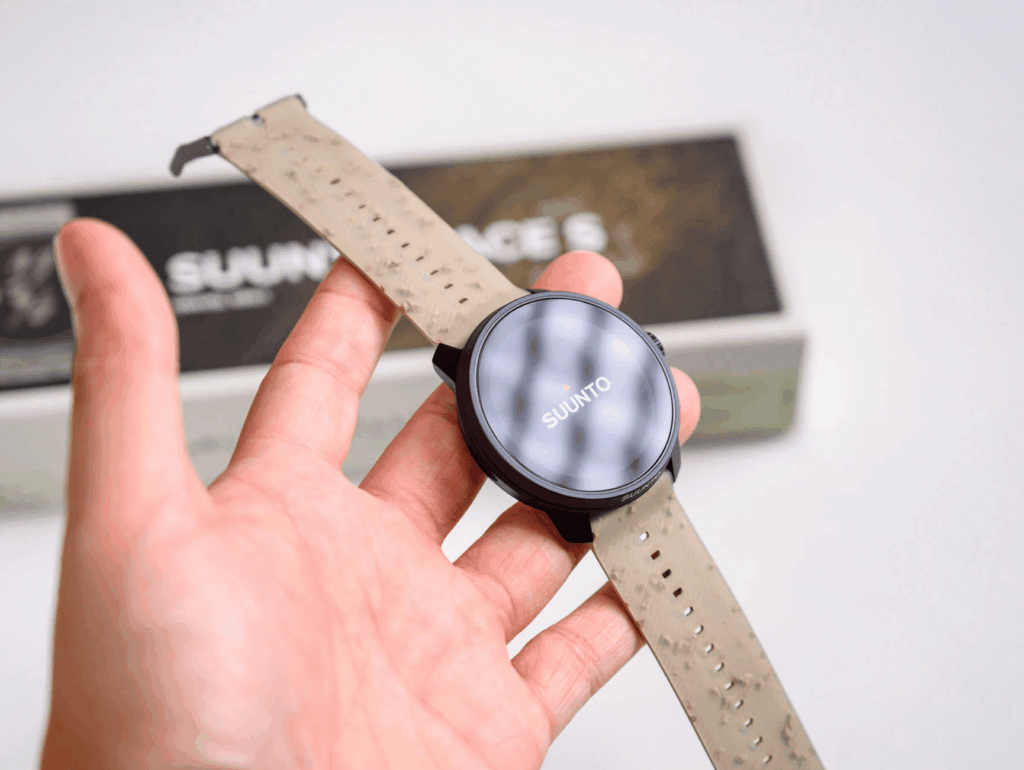
On my Suunto Race S, the Default HR Zones put the bottom of Zone 2 at 139 bpm and ran it all the way up to 149 bpm before Zone 3 started. The default algorithms on watches and sports apps tend to use a generic formula, or push the thresholds very high.
I believed those numbers and went out running at 140 to 145 bpm, with the watch still glowing pale blue and congratulating me on my Zone 2 run. My body told a different story: I was breathing hard, my legs were aching, and my system had slipped into anaerobic/tempo territory at some point without me noticing.
SUUNTO Race S GPS Sports Watch, 1.32″ AMOLED Touchscreen w/Crown All Black & SUUNTO 22 ATH6 Silicone Strap Powder Gray S+M: Check Availability on Amazon
SUUNTO Race S GPS Sports Watch, 1.32″ AMOLED Touchscreen w/Crown All Black & SUUNTO Heart Rate Belt: Check Availability on Amazon
SUUNTO Race S GPS Sports Watch, 1.32″ AMOLED Touchscreen w/Crown Powder Pink & SUUNTO 22 ATH6 Silicone Strap Powder Gray S+M: Check Availability on Amazon
SUUNTO Race S GPS Sports Watch, 1.32″ AMOLED Touchscreen w/Crown Gravel Gray & SUUNTO 22 ATH6 Silicone Strap Powder Gray S+M: Check Availability on Amazon
SUUNTO Race S GPS Sports Watch, 1.32″ AMOLED Touchscreen w/Crown Powder Gray & SUUNTO 22 ATH8 Silicone Strap Wave Blue S+M: Check Availability on Amazon
How to work out your zones properly (with help from AI)
For example, to get heart rate zones that match the actual physiology of a 30 year old, I used the theoretical maximum heart rate formula and split the five standard zones again. The formula is HR Max = 220 – your age.
- Zone 1: under 114 (< 60% HR Max), easy walking and warm ups, breathing completely normal.
- Zone 2: 115 – 133 (around 60-70% HR Max): you can run and still hold a full sentence without running out of air. The best zone for burning fat.
- Zone 3: 134 – 152 (70-80% HR Max): breathing gets quick here, you can only manage short phrases, and the body starts burning more sugar than fat.
- Zone 4: 153-171 (80-90% HR Max): legs go dead from the lactic acid building up, you’re gasping, and you can’t hold it for long.
- Zone 5: 172-190 (90-100% HR Max): this one is flat out.
By the AI’s numbers, the ceiling of Zone 2 for a 30 year old sits at 133 bpm. Anything from 134 bpm up is already Zone 3.
Why does it have to be Zone 2?
A lot of new runners think along these lines: “the more tired I get the more energy I burn, so running Zone 3 or Zone 4 with my heart going faster has to make me thinner, right?” If your goal is losing fat and keeping muscle, that’s the most wrong idea you can hold.
I used to think the same thing. Once I read into it properly, the question turned out to be what your goal is and how much your body can take.
In Zone 2 (115 to 133 bpm), the intensity is moderate enough that your circulation delivers plenty of oxygen to the cells. The body uses its mitochondria to oxidize excess fat directly, visceral and belly fat especially, as its main fuel.
When you let your heart rate climb into Zone 3 (134 bpm and up), the fuel switch happens: oxygen can’t come in fast enough, so the body has to raid the glycogen stored in your liver and muscles to keep the pace going. The share of fat being released drops a long way.
If you’re eating at a calorie deficit and then run your sugar dry in Zone 3, the body goes into hormonal stress and releases cortisol, a catabolic hormone. To find emergency energy, it starts breaking amino acids out of muscle tissue, which is muscle catabolism. After a while you can end up lighter on the scales but softer with it, skinny fat rather than lean.
On top of that, running in Zone 3, 4 or 5 takes the body longer to recover from. That’s why my recovery numbers sit fairly low when I run: I need a lot of time to get back to a state where I can train again, even on days when I didn’t run far.
Plenty of runners call this the gray zone. It’s hard enough that the body doesn’t bounce back quickly, but too easy to push your VO2 Max the way Zone 4 and 5 interval work does. Running Zone 3 just stacks up fatigue without the cardiovascular payoff.
There’s the hunger, too. Burning your sugar off in Zone 3 sets off the hormones that make you ravenous. If you have a busy schedule and eat late after 9 pm like I do, the carb craving after a Zone 3 run makes it very easy to blow up your diet.
Table of Contents
A few other things I learned from getting it wrong
Everyone makes mistakes, right? After the first day or two of running, my body was reacting differently from what the watch was measuring. I checked, and my heart rate zones were wrong, because I’d left the manufacturer defaults in place. So I had to redo them. It depends on the model, but most sports watches let you edit your HR zones.
On Suunto I set them either in the Suunto app or on the watch itself. One more thing: if you’re already running a structured workout built in Runna or the Suunto app, leave the Intervals toggle on the watch switched off. Turning both on makes the watch run two interval sessions on top of each other.
Also, when you sync a run from the watch to Strava or Runna, each app has its own rules for working out zones. If you don’t set them up again, a run that Suunto calls a clean Zone 2 comes out as Zone 3 on Strava.
If you’re just starting out like me, forget about pace and don’t force yourself to train like a professional. Your heart muscle hasn’t thickened yet and your capillary network hasn’t widened. Out on the road in Saigon weather, three or four minutes of even a slow shuffle will send your heart straight to 160 or 170 bpm, which is Zone 4.
I’m following a run-walk plan, alternating walking and running, and the only goal is keeping my heart rate in Zone 2. Warm up with three to five minutes of brisk walking so the heart comes up gently into Zone 1, then run short strides with a quick cadence for one or two minutes. The moment the watch touches 130 to 133 bpm, switch straight to walking for a minute or two until the heart rate falls back to 115 or 120 bpm, then run again.
Running to lose fat and build long term health is a scientific problem, not a competition over who can hammer themselves harder. Leave the ego behind. Slowing down to keep your heart in Zone 2 is the fastest and safest way to build a solid base.
Related Posts


