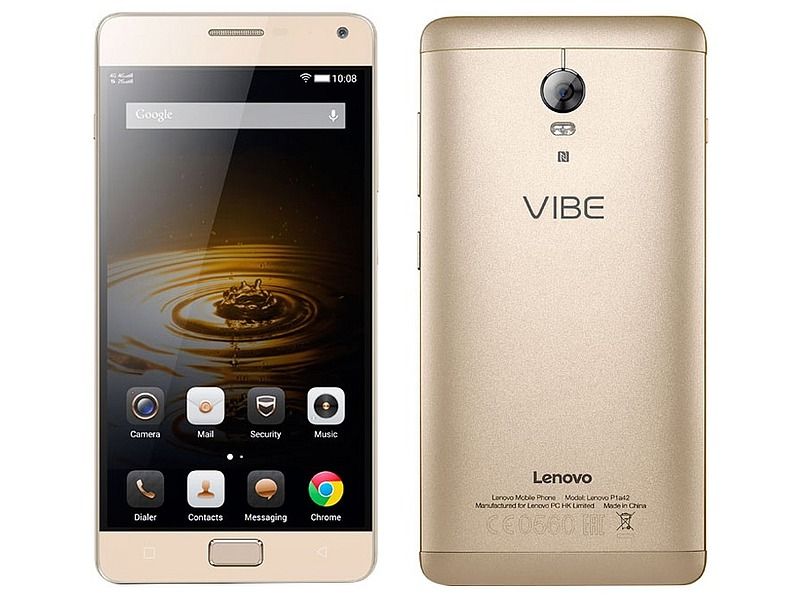
Design and Build Quality
a. Overall Aesthetics
The Lenovo Vibe P1 shows a sleek sort of robust vibe, it really feels like that classic smartphone style with a bit more sophistication to it. You get a metal frame paired with a plastic back, so it ends up feeling premium enough, but still practical in daily use. The look of the device feels like it was made to strike a balance, not too flashy , not too plain. There s also a well-integrated fingerprint sensor, plus physical buttons that make it easier to operate without thinking too much.
b. Build Quality
Honestly the build quality on the Lenovo Vibe P1 is pretty solid, it holds up well and it feels reassuringly sturdy in the hand. The metal frame boosts rigidity, while the plastic back is both functional and kinda stylish at the same time. There are multiple colors to pick from, such as Graphite Grey and Silver, so users can choose the tone that fits their taste.
c. Ergonomics
On paper the dimensions are 152.9 x 75.6 x 9.9 mm , and it weighs about 189 grams. In practice, it s still comfortable to grip, even if it s on the larger side. The edges are nicely rounded which helps keep a smooth hold. Still, for people who love little handy gadgets, the size and heft might feel like a bit too much, like kind of weighty. The power button, and volume rocker are in a natural position, with tactile feedback that improves daily usability, it just feels more responsive.
d. Durability
The Lenovo Vibe P1’s construction kind of points to durability, and the metal frame gives some extra safeguard against bumps and everyday hits. Even though there is no official IP rating for water or dust resistance, you can tell from the overall build quality that it should handle normal use pretty well, like regular wear and tear that slowly happens over time.
Display
a. Screen Specifications
The Lenovo Vibe P1 has a 5.5-inch IPS LCD screen, with a resolution of 1080 x 1920 pixels. That translates into a pixel density around 401 PPI , so visuals look fairly crisp and clean. On top of that, the display is shielded by Corning Gorilla Glass 3 which adds a noticeable extra layer of protection for daily use.
b. Display Quality
In terms of display quality, the Lenovo Vibe P1 is generally solid for its category. The IPS LCD panel brings vivid tones, fair contrast, and wide viewing angles , so colors stay more consistent when you look from the side. With Full HD resolution, text and pictures stay sharp , making it workable for things like web browsing, streaming videos , and even playing games.
c. Brightness and Outdoor Visibility
d. Touch Sensitivity
The touch sensitivity on the Lenovo Vibe P1 feels quite responsive and pretty spot on. The display also supports multi-touch motions , so swiping around is usually smooth and interactions with apps seem easy. Overall the touch experience is rather enjoyable, and I noticed only little lag, or sometimes that mild unresponsiveness, but nothing too disruptive.
Performance
a. Processor and RAM
The Lenovo Vibe P1 runs on the Qualcomm Snapdragon 615 processor, which is an octa-core setup. It uses four Cortex-A53 cores at 1.7 GHz along with another four Cortex-A53 cores at 1.0 GHz. This is matched with 2 GB of RAM, giving a sort of middle ground between day to day speed and energy saving.
b. Benchmark Performance
In benchmark runs, the Lenovo Vibe P1 comes out fine for a mid-range phone. It manages ordinary activities like web browsing, social networks, and streaming style media without too much fuss. Still, when you push it with heavier apps, or juggle several things at once, you may run into some limits. The benchmark numbers show it can work reliably, but it doesn’t really shine for demanding tasks when compared to newer devices, kind of a slower vibe overall.
c. Gaming Performance
For the Lenovo Vibe P1, gaming performance feels pretty decent if you are into casual stuff. Titles like Asphalt 8 and Candy Crush Saga tend to run smooth enough, however when you try more graphics heavy games there can be random hiccups, like lag here and there or frame rates that drop a bit. So yeah, it works for light to moderate gaming, but if you’re looking to chase the newest AAA titles, the phone might get a little overwhelmed and won’t feel as snappy.
d. Multitasking
With 2 GB of RAM, the Lenovo Vibe P1 manages multitasking in a reasonable way. You can move between apps without too much waiting, not really major delays most of the time, but if you stack too many things at once, overall speed can slow down and you may see apps reloading from time to time. In other words it can juggle multiple applications simultaneously, but you should keep an eye on the memory limits, because it does get tight.
Battery Life
a. Battery Specifications
One of the most standout parts about the Lenovo Vibe P1 is the huge 5,000 mAh battery. That sort of capacity seems clearly built for longer everyday sessions, it feels like a solid choice for people who really care about battery endurance more than fast charging only , or at least that’s how it comes across.
b. Battery Performance
In terms of battery performance, the Lenovo Vibe P1 really does well, you get strong runtime from a single charge. In practical use, users can often reach up to two days with typical routines, things like web browsing, calls, and multimedia. Also, its power efficiency seems boosted by battery saving features and optimization tools, so it stretches the charge further than you’d expect.
c. Charging Speed
The device comes with fast charging technology, which i mean helps cut down the time you need to refill the battery. The charging speed is pretty competitive but it might not feel as lightning quick as newer fast-charging ideas that are out there now. Still, the ability to top up the battery fast is a nice convenience for people who are always moving , and it makes day to day use more forgiving.
d. Power Management Features
The Lenovo Vibe P1 also includes a handful of power management features meant to stretch battery life. For example, users can turn on battery saver modes , tweak the screen brightness, and keep background applications under control so they don’t drain power as much. In the end, these things support the phone’s general reputation for reliable, long lasting battery performance.
Camera
a. Rear Camera Specifications
The back camera on the Lenovo Vibe P1 carries a 13-megapixel sensor together with an f/2.0 aperture. This arrangement also comes with dual LED flash , so it can deal with dimmer scenes where clarity would usually start to fade.
b. Camera Performance
Camera performance on the Lenovo Vibe P1 is pretty decent for a mid range device. When the lighting is strong, the 13 megapixel sensor produces images that look sharp and kinda packed with detail, the colors stay steady enough. However when things get darker, the output can get a little softer , you might see added noise, and the tiniest textures often feel kind of smeared or washed out.
c. Camera Features
The camera app brings a bunch of functions like HDR, panorama and a set of shooting modes, so you can kind of play around and see what looks best for your photos. In a way it helps you level up the overall photography experience. Sure it doesnt have the kind of high end options you get on true flagship phones but it still feels good enough for everyday, casual taking.
d. Front Camera
On the Lenovo Vibe P1 there s a 5-megapixel front facing camera, and it works well for selfies or even for video calls . In decent lighting the front camera looks pretty okay , but when it gets darker it tends to drop some fine detail and loses overall crispness a bit.
Software and User Experience
a. Operating System
The Lenovo Vibe P1 runs on Android 5.1 Lollipop along with Lenovos Vibe UI skin. The system comes with a personalized experience, plus some extra features and little adjustments here and there.
b. User Interface
Lenovo’s Vibe UI kinda feels like a different sort of interface, you can switch home screens, mess around with widgets and swap themes. It’s supposed to be easy to use, but it also comes with extra bloatware, and those pre installed applications that not everyone will actually want, or even touch.
c. Performance and Stability
On the Lenovo Vibe P1, the software feel is usually pretty solid, mostly smooth for day-to-day stuff. Still, once you start using extra software features, plus a few customizations , some random hiccups can show up, like small UI delays or momentary slowdowns. Nothing too wild most of the time, but it’s there. In general, the phone stays functional and dependable, in a practical way.
d. Updates and Support
Because it’s an older release, the Lenovo Vibe P1 might not get the newest Android updates. That means users should keep in mind some potential limits with software upgrades and long-term support , since later Android versions may not arrive on this device at all. So basically, don’t expect the most current system builds.
Connectivity
a. Network Support
The Lenovo Vibe P1 takes 4G LTE, so mobile data can run a bit quick and steady too, like, you know. It also connects across different LTE bands, which helps it reach more network areas and keep a fairly stable signal.
b. Wi-Fi and Bluetooth
There’s Wi-Fi 802.11 b/g/n onboard for regular wireless internet access, no big drama but it gets the job done. For short range linking, Bluetooth 4.1 is built in, and it pairs with everyday gear such as headphones, speakers, or similar things. For day to day use, both choices work well enough, in an ok sort of way.
c. GPS and Navigation
The Lenovo Vibe P1 comes with GPS support for location based services, and navigation apps. The GPS response is consistent enough for basic directions, but it probably won’t match newer models with upgraded GPS tech. Precision can feel a bit less sharp, especially compared with more recent phones.
d. Additional features
The Lenovo Vibe P1 comes with a fingerprint sensor, for extra protection and faster unlocking, so yeah it feels a bit more secure right away. On top of that, the whole thing brings a practical layer of convenience to everyday use, which most people seem to appreciate.
Pros and Cons
a. Pros
Pretty good battery stamina: that 5,000 mAh cell lasts for a really long day to day stretch, so it’s a nice fit for folks who want the gadget to keep going, not just run out after a few hours, and you know.
Expandable storage: it has microSD support up to 128 GB, which helps you stretch the available space when you need extra room for media, or files.
Solid build quality: the metal frame plus the overall build work together to give durability and that sort of premium feel, without feeling fragile.
Affordable price: the Lenovo Vibe P1 sits at a competitive price, and it matches what you get, which is pretty good for cost focused buyers.
Fingerprint sensor: having that fingerprint scanner in place adds both safety and easy access, like a simple extra lock and unlock routine in one.
b. Cons
Outdated software: Running Android 5.1 Lollipop , the device might not grab the most recent patches or the newer goodies that newer versions bring.
Limited internal storage: With only 16 GB of built in storage, users could end up using a memory card a lot , or simply having to watch their files more carefully.
Performance limitations : The Snapdragon 615 processor plus 2 GB of RAM may feel a bit underpowered for heavier apps , or when you do a lot of switching between tasks.
Display brightness: The screen visibility can drop when you’re under direct sunlight, so outdoor use might be a little annoying.
Camera performance: The camera is decent but, it may not fully satisfy people who want top tier photos, especially when the lighting gets dim and you’re shooting at night.
Conclusion
The Lenovo Vibe P1 is honestly a pretty solid mid range smartphone, and it really stands out in a couple zones, mainly the battery situation and also the expandable storage thing. The general design and overall build quality give it that more premium feel, without asking for some insane price, so it can be a solid pick for people who tend to care about long term durability and real world practicality. Even if it doesn’t show up with every one of the advanced features you’d see on newer or higher end models, it still brings a pretty well rounded set of tools, that fits a lot of everyday users.
So overall, the Lenovo Vibe P1 feels like a commendable option, for anyone wanting a dependable phone that just keeps going. It really leans into battery performance, and then you pair that with expandable storage and a sturdy build, which makes it a legit value move in the mid range category. Sure, there are a few limits, but the Vibe P1 keeps pulling its weight, and it stays a practical choice for folks who need something trustworthy that doesn’t burn a hole in the budget.
Lenovo Vibe P1 Smartphone 5000mAh Touch ID 5.5 Inch FHD 3GB 16GB MSM8939 Octa Core: Buy it now
Lenovo Vibe P1 Android 5.1 4g LTE Mobile Phones Snapdragon615 Octa Core 5000mah 3gb RAM 5.5″ FHD 1920x1080p 13.0mp Quick Charge: Buy it now
Lenovo Vibe P1 5.5″ dual-sim 16gb Rom 3gb Ram 5000mah Battery (Gold No Warranty): Buy it now
Related Posts

Tech Reviewer & Product Analyst
Định Bia has spent over 10 years testing consumer electronics with a focus on smart technology. He work as a product advisor at Biareview where he helped customers find the right devices for their needs. He personally tests every product featured on this site using a consistent evaluation framework covering quality, durability, and value. All reviews are based on experience, not influenced by the manufacturer.