Design and Build Quality
a. Rugged Construction
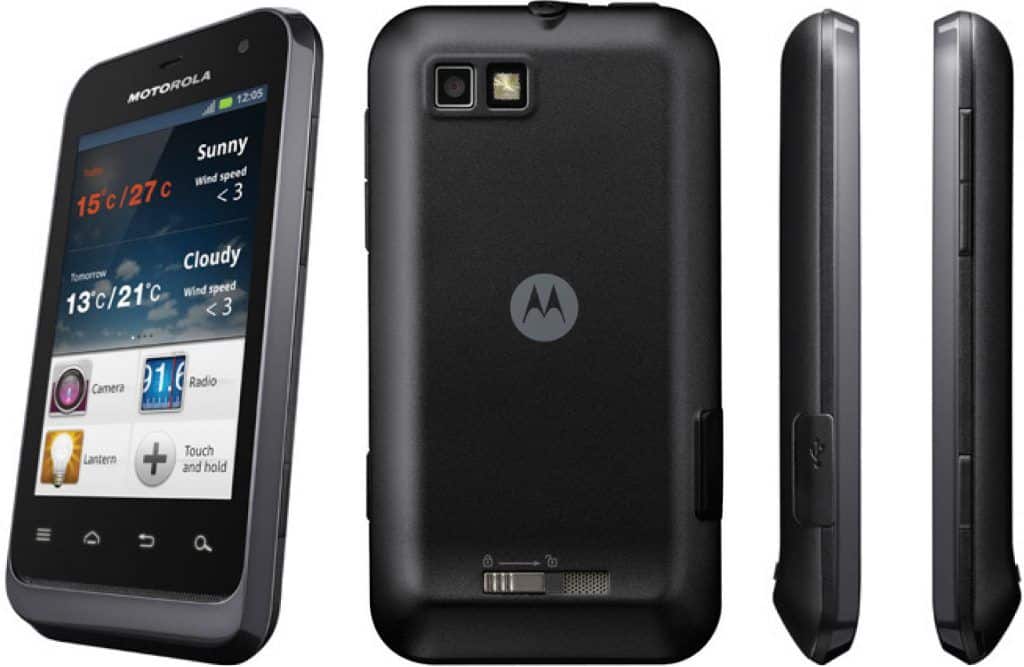
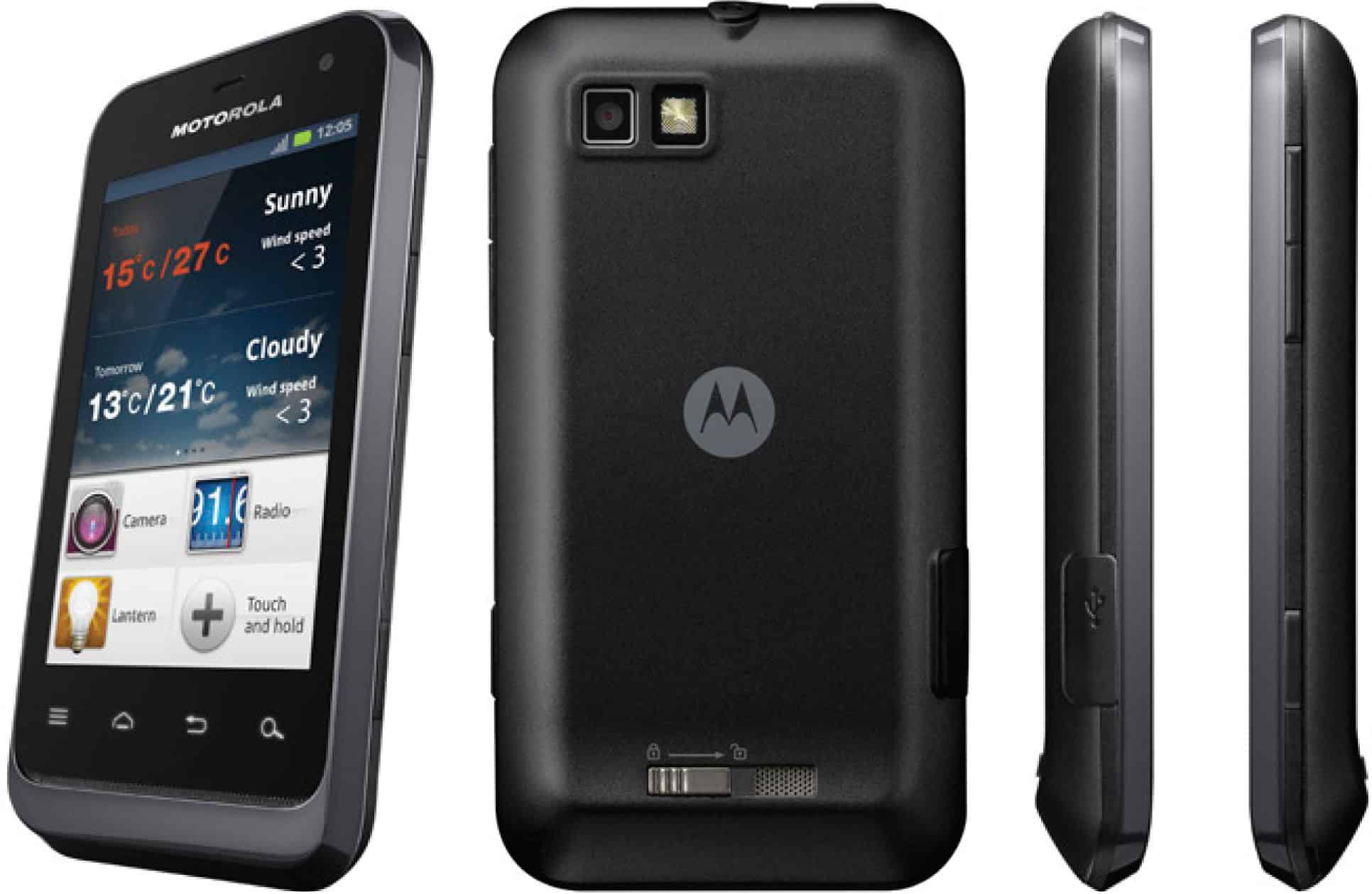
One of the more noticeable things about the Motorola Defy is that rugged construction vibe, it kinda feels like it was made to take abuse for real. The device is built with durability in mind, and it also comes with an IP67 rating, for dust as well as water resistance. In practice, that means the Defy can be put under water up to about one meter, for around 30 minutes, and it should not take damage. So, the whole ruggedness angle makes the Defy a pretty good pick for people who are outside a lot, or who work around conditions where the phone might get moisture , or dust in it.
It also sits inside a thick rubberized shell, which helps absorb shocks and sudden impacts. That kind of protection was pretty uncommon among smartphones when it was first released. On top of that, the corners and edges are reinforced too, giving extra defense when the phone gets dropped by accident, because yeah… it happens.
b. Design Aesthetics
Even though the Motorola Defy is tough, the design is more “use-first” than actually stylish. You get a utilitarian look, with a sturdy, bulky frame. The 3.7-inch display sits behind a thick bezel, and that basically adds to the rugged appearance. Compared with more modern phones, the Defy feels kinda chunky, like it prioritizes staying intact over looking sleek and polished.
There are also physical buttons for navigation and daily operations, including a dedicated camera button. The buttons use hard plastic , and they’re meant to be pressed even when you are wearing gloves. This detail makes the phone more practical for users in harsher or unpredictable surroundings, where touchscreen use might be annoying or not ideal.
c. Display
The Motorola Defy comes with a 3.7-inch TFT LCD display, resolution 854 x 480 pixels. Back then, this screen gave okay clarity and decent color reproduction, but yeah it now feels behind modern expectations. The pixel density is about 265 ppi so for everyday use it was fine, yet compared with today’s higher-resolution displays, the Defy might look a bit less crisp and somehow less vivid.
For protection, the screen uses Gorilla Glass, so it adds that extra shield against scratches, and cracks too. Touch response is generally responsive, however it can feel a little less fluid than the newer touch interfaces on recent phones.
Performance and Hardware
a. Processor and Memory
Inside, the Motorola Defy runs on an 800 MHz single-core ARM Cortex-A8 processor paired with a TI OMAP 3610 chipset. When it was released, that setup was enough for basic tasks and regular apps. Still, in today’s terms the raw processing power is rather modest.
It includes 512 MB of RAM, which was pretty normal for smartphones from that era. That said, it’s enough for older applications and basic multitasking but it can run out of room fast if you try more demanding software or expect the smoother multitasking people are used to now.
b. Storage
The device comes with 2 GB of built in storage, which is kind of low compared to today, you know. Still, it accepts microSD cards, so you can stretch the storage up to 32 GB. That extra room is handy for keeping more apps , plus photos and other media content.
c. Battery Life
The Motorola Defy is fitted with a 1540 mAh lithium-ion battery. Back then, this capacity was pretty fair , it could usually last for a full day if you used it in a normal way. But of course, battery performance isn’t always the same, it depends on your habits and even the surrounding conditions. On top of that, the rugged build is also part of the reason it feels bulkier, and that bulk can influence how the battery holds up over time.
When you compare it with current smartphones that have larger, more efficient batteries, the Defy’s endurance may look not so great. Yet for people who don’t do heavy usage, the battery should remain dependable enough.
Camera and Multimedia
a. Camera Performance
The Motorola Defy offers a 5 MP rear camera, including autofocus and an LED flash. Image quality is acceptable for its era, meaning you can get pretty clear, fairly detailed pictures when the lighting is good. In darker rooms, though, it tends to run into trouble , so you may notice more grainy noise and a drop in sharpness.
It also has a VGA front camera for quick selfies and basic video calls. This front sensor works, but it doesn’t bring the higher resolution, or the nicer features you usually find on newer phones.
b. Multimedia Capabilities
The Defy supports a few different multimedia formats, like MP3, AAC, and WAV for audio , and MP4, H.263, and H.264 for video. It also has a built-in media player that, in general, takes care of these formats pretty well, at least for everyday use. Still, the overall multimedia experience on the Defy is kinda held back , mostly by the display resolution and the processing muscle inside the device.
If you’re the type of user who basically lives inside music, video, and streaming content, then the Defy’s options might feel a bit dated compared to today’s phones, with those newer panel technologies and faster chipsets. But honestly, for straightforward media playback, the Defy stays usable and doesn’t completely fall apart.
Software and User Experience
a. Operating System
The Motorola Defy originally came out with Android 2.1 Eclair, which was an early-ish release in the Android timeline. The system offered a basic user interface , and it covered the usual essential applications and functions you’d expect. After that, Motorola pushed updates toward Android 2.2 Froyo, which improved speed and brought in extra functionalities.
Even if Android 2.x was a major improvement in usability and features compared to older versions, it doesn’t really include the extra polish and advanced functions you get in newer Android releases. So if you’re used to modern Android comforts, then the Defy’s software feel can seem slightly narrow or restrained, like it’s missing a few refinements.
b. User Interface
The Motorola Defy’s user interface is kind of simple, it has the usual Android vibe with a home screen, an app drawer, and that notification bar, you know. It works fine , but it doesn’t really offer as much customization or those newer, more advanced add-ons that newer Android versions usually bring.
You can still get a bit creative though, the device supports widgets and home screen shortcuts so users can tweak things to a certain level. Still, the whole look and feel feels more plain, compared with more recent Android builds that tend to look sharper and do more.
c. Performance and Usability
About performance, the Motorola Defy handles routine stuff pretty well, like calls, messaging, and ordinary web surfing. But if you try heavier apps, or when you multitask too much, it may start to lag, largely because the processing power and memory are limited.
The rugged design is a big plus, it makes the phone feel practical for harsher situations or awkward settings. The physical buttons are also pretty easy to use , even with gloves on. On top of that, the build quality seems to support durability and reliability over time, which matters a lot.
Connectivity and Features
a. Connectivity Options
The Motorola Defy has a few connectivity options in total, like 3G, Wi‑Fi, Bluetooth 2.1, and GPS, so basically users can stay linked and also find places without too much hassle. With 3G support it can deliver data speeds that feel fairly quick ,but honestly it might be slower than newer 4G or 5G networks.
Wi‑Fi is pretty dependable, giving high speed internet when you can reach a hotspot or similar thing. Bluetooth works for wireless hookups with different devices, for example headsets or speakers. And GPS comes in handy for navigation plus those location based services people use while moving around.
b. Additional Features
On top of connectivity, the Defy includes extra features that make it more usable day to day. There’s an accelerometer for adjusting screen orientation, plus a proximity sensor that helps with touch input behavior. It also has a digital compass that supports direction checking during navigation.
Another small plus is the built in FM radio. This lets users hear live radio broadcasts without needing an internet connection ,which is nice in places where signal is not great.
c. Durability and Protection
The rugged construction is honestly one of the Defy’s main selling points. It carries an IP67 rating for dust and water resistance, meaning the phone can deal with moisture and dirt better than many regular devices. There’s also a thick rubberized casing, and reinforced corners, so it’s more guarded against impacts and sudden drops.
Even though the Defy was pretty durable for its era, it’s still worth mentioning that current smartphones, especially the rugged varieties, may deliver even better endurance and protection. Still, the Defy remains a pretty solid option for people who want a durable and reliable device, without overthinking it.
Pros and Cons
a. Pros
Durability: The Motorola Defy rugged design, plus the IP67 rating gives really good shielding from water, dust and also bumps.
Build Quality: The device sturdy build and rubbery casing seem to help with long term dependability, pretty steady overall.
Battery Life: That 1540 mAh battery, should cover a full day of use without too much trouble.
Multimedia Support: The Defy handles multiple multimedia formats which gives you basic playback for sure.
b. Cons
Performance: The 800 MHz single-core processor together with 512 MB RAM might have a hard time with modern apps, and multitasking can feel a bit slow.
Display: The 3.7-inch TFT LCD screen works, but the sharpness and lively colors you expect from new devices just aren’t really there.
Camera Quality: The 5 MP back camera and the VGA front camera are more “just ok” for photos and short video moments.
Software: With Android 2.1 Eclair or Android 2.2 Froyo, the phone misses out on newer Android perks plus updates.
Bulkiness: The same rugged design that helps durability also makes it kind of bulky , it might feel a bit awkward next to sleeker current smartphones.
Conclusion
The Motorola Defy is a rugged smartphone, kind of rough and tough, with durability and build quality that still stand out for its time. Thanks to its IP67 rating for dust and water resistance, the Defy tends to fit people who need a dependable device when things get difficult , outside, or just in everyday chaos. Its firm construction, long-enough battery life, and basic multimedia features make it a practical option for an active lifestyle , even if you are not chasing the newest gadget thing.
Still, the Defy’s performance, display, and camera quality can feel a bit behind , when you compare it with today’s phones. The hardware is not really built for heavy use in 2026, with an 800 MHz single-core processor and 512 MB of RAM, so demanding apps and multitasking can feel limited. Also the 3.7-inch TFT LCD screen, while usable, doesn’t bring the sharpness and vividness you get from current displays. And camera-wise, the 5 MP rear camera plus the VGA front camera look pretty plain compared to modern smartphone cameras.
Motorola Defy’s software, at first running Android 2.1 Eclair, then later gets an upgrade to Android 2.2 Froyo, is kinda outdated when you compare it with the newer Android releases. Because of that, the day to day user experience feels limited , since this phone doesn’t really have the extra functions and overall polish you see in later Android versions. The interface still works, sure but it’s more like basic and steady rather than flexible… there are fewer options for personal tweaks, plus less in the way of improvements you’d expect from a modern operating system.
Even so, the Motorola Defy can still be a good pick for people who care more about durability and rugged use than chasing the latest tech. Its build is tough , including an IP67 rating for dust and water protection, so it should handle rough settings and keep functioning in unpleasant conditions. The chunky rubberized body and the reinforced corners give extra shielding against bumps, scrapes, and those inevitable drops, which makes the Defy kind of a dependable sidekick for demanding environments.
Motorola Defy + MB526 Unlocked GSM Phone with Android 2.3 OS, Touchscreen, MOTOBLUR , 5MP Camera, GPS, Wi-Fi, Bluetooth, 3G 850/2100MHZ , FM Radio and microSD Slot – Graphite Grey: Buy it now
Motorola Defy XT Android Prepaid Phone (Net10): Buy it now
Related Posts



Tech Reviewer & Product Analyst
Định Bia has spent over 10 years testing consumer electronics with a focus on smart technology. He work as a product advisor at Biareview where he helped customers find the right devices for their needs. He personally tests every product featured on this site using a consistent evaluation framework covering quality, durability, and value. All reviews are based on experience, not influenced by the manufacturer.