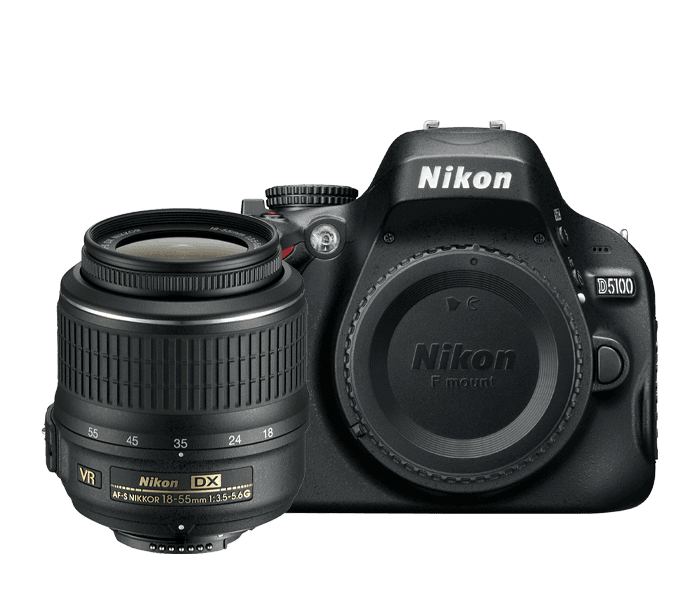
- Upgrade sensor
The D5100 has a 16.2-megapixel CMOS sensor, matching the resolution of the Nikon D7000. That is about 4 megapixels more than the D5000’s 12.3. The sensor is still APS-C, the same size as before, so the extra pixels are squeezed in and each one is a bit smaller. The upside is more resolution when you print large or crop.
- Microprocessor
Benefiting from the D7000, Nikon’s latest lineup is also equipped with the Expeed 2 processor, which dramatically improves color quality and fast image processing.
Expeed 2 also supports video recording and noise reduction in high-sensitivity images.
- LCD screen
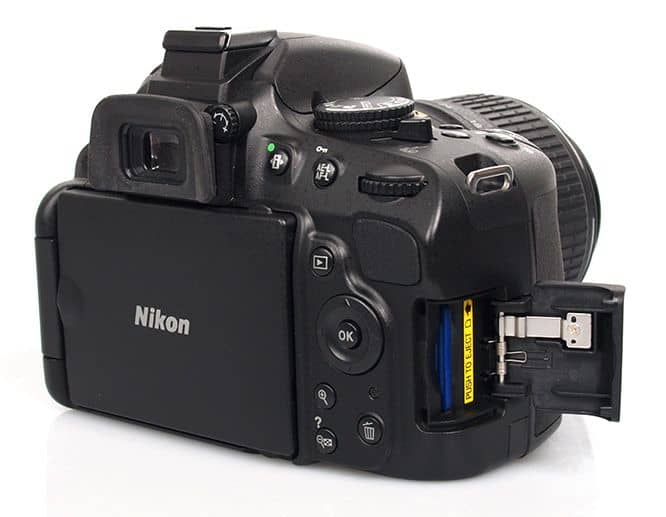
Continuing the style of the D5000, the D5100 uses a flip-flop display but this time around. As a result, compared to its predecessor, the D5100 is 17% thinner. With a 3 inch 920,000 pixel screen, the picture is clearer and more detailed on a slightly larger screen.
- Design style
To the D5000, it’s easy to see that the Nikon D5100 is 10% smaller in size and weight. The new product line is rounder and flatter with the body design of the D5000. The controls on the left side of the back are passed to the other side of the LCD screen.
- Video mode
The D5100’s video mode has a lot of improvements, such as the option to use AF autofocus during recording. The D5100 can record full HD 1920x1080p video and has an optional frame rate of between 30.25 and 24 per second.
Nikon D5100 16.2MP CMOS Digital SLR Camera with 3-Inch Vari-Angle LCD Monitor (Body Only): Buy it now
Nikon D5100 16.2MP Digital SLR Camera & 18-55mm VR Lens: Buy it now
Nikon digital SLR camera D5100 18-55VR Lens Kit: Buy it now
- ISO range
The Nikon D5100 offers an ISO range of between 100-6400 and has a number of other installation options equivalent to the ISO 25600 sensor. This feature will make the camera better in low light conditions.
- HDR mode
HDR enthusiasts will surely be thrilled with the Nikon D5100’s ability to support the first camera equipped with auto-HDR. The camera records two images in the same scene with different settings and then automatically blends them to produce a final effect image.
- Dual IR receiver
The Nikon D5100 also supports two infrared receivers, one in front and one on the back side of the Menu button. This will make it easier for the user to control the machine when using the wireless controller.
- Effects
New Nikon products are equipped with a series of special effects that can be applied to both image and video recording. Users can preview effects right on the LCD.
- New Microphone
Nikon also launched a new microphone model ME-1 connected to the machine through the gate at the edge. This accessory will help to improve the quality of the sound recordings compared to the built-in microphone.
Usability and user experience
Ease of use and menus
The D5100 is easy to pick up, mostly because of the vari-angle LCD. Tilt it and you can shoot from awkward angles, then check the shot without moving. The menus are split into shooting, playback, and custom settings, and each option has a short description, so you rarely have to guess what a setting does. The buttons respond quickly.
Software and connectivity
The camera has no built-in Wi-Fi. For wireless image transfer or remote control, you need Nikon’s WU-1a adapter. ViewNX 2 is included for organizing and editing photos. It is fine for basic work, but heavier editing will probably send you to third-party software.
Pros and cons
Pros
16.2-megapixel CMOS sensor with sharp, detailed images
3.0-inch vari-angle screen for awkward angles and quick review
Controls simple enough for beginners
1080p video with manual controls
Special effects and scene modes
Cons
Noise shows up at higher ISO
No built-in Wi-Fi, so wireless features cost extra
Solid but entry-level build, with no weather-sealing
Conclusion
The D5100 is a good first DSLR. A 16.2-megapixel sensor and a flip-out screen give a beginner plenty to work with, and it shoots 1080p video too. It’s an older camera, though. The noisy high ISO and missing Wi-Fi give that away. If you want good image quality without a steep learning curve or a more expensive body, it is still a reasonable buy.
Related Posts

Tech Reviewer & Product Analyst
Định Bia has spent over 10 years testing consumer electronics with a focus on smart technology. He work as a product advisor at Biareview where he helped customers find the right devices for their needs. He personally tests every product featured on this site using a consistent evaluation framework covering quality, durability, and value. All reviews are based on experience, not influenced by the manufacturer.