Introduction
Quite a digital camera, the Panasonic Lumix DMC-FX9S came into the market in 2005, promising to provide a compact-sized device for high-quality photography. This 6 megapixel device came with a Leica lens, added with some features to improve the image quality. The following review looks into the parts, features, and benefits of the Panasonic Lumix DMC-FX9S.
Components of a digital camera
A digital camera is made up of a number of parts that work together for image capture and storage. These include:
Leica DC Vario-Elmarit lens, 35-105mm, f/2.8-5.0. Only a 3x zoom, but slapping Leica’s name on a compact camera was Panasonic’s whole pitch in this era whether the glass actually justified it is a separate question.
Sensor’s a 6-megapixel 1/2.5-inch CCD. Tiny, but every compact in this class was running something similarly small.
The Venus Engine II handles processing. It’s Panasonic’s answer to speed and noise, though “powerful” is relative when you’re talking about a camera this size.
Screen’s a 2.5-inch LCD, 115,000 pixels. Fine for composing a shot, not for judging whether it’s actually sharp pull the images onto a computer before you trust your focus.
Storage: The storage is where images and other data are stored. This camera comes with built-in memory of 16MB and a slot that accommodates an SD memory card of up to 1GB.
Battery: A battery is meant to generate power sources for the operation of this unit. With its rechargeable Li-ion battery, the Panasonic Lumix DMC-FX9S can take about 280 shots on a single charge.
Features of Digital Cameras
A digital camera has several features that shape the quality of its images and provide more control over their desired output. Below are some of the major functions:
Six megapixels sounds thin today, but for a web gallery or a 4×6 print it’s genuinely fine. Try to crop in tight or blow it up bigger than that and it falls apart fast.
ISO 400 is the ceiling, so this camera basically needs daylight or a flash to work with. Take it somewhere dim and you’ll see it grainy, muddy shots, the kind where you can tell the sensor’s struggling.
Shutter speed goes from 1/2000 up to 8 seconds. Fast end’s fine for everyday stuff. The 8-second end is really for night shots or light trails, and only if you’ve got a tripod handheld, you’re just wasting the feature.
Aperture is f/2.8 to f/5.0. At f/2.8 wide open it actually pulls in decent light, so indoor shots aren’t hopeless. Just don’t push your luck once the room really goes dark.
White balance has the usual presets daylight, cloudy, tungsten, fluorescent — plus a manual option for when the auto setting gets the color cast wrong, which older point-and-shoots do more often than you’d like.
Autofocus: The automatic process by which cameras focus on the subject for a given image is known as autofocus. The different modes of autofocus available in the Panasonic Lumix DMC-FX 9S include face detection, multi-area, and spot focus.
Optical image stabilization on this one, which matters more than it sounds like it should. It’s shifting a lens element to counter your hand shake in real time, not just smearing pixels around after the shot like digital stabilization does. Makes a real difference at the slower end of that shutter range.
Camera Advantages
Digital cameras boast many advantages over the traditional film camera. Some of the most significant advantages of digital cameras include:
Instant review and editing: With digital cameras, images can be reviewed and edited instantly after being captured. This gives the user a chance to mark any problems with the image and correct them, and also allows the opportunity to experiment with different settings and techniques.
No loss in detail at any print size” is marketing talk, not reality. Six megapixels through a Leica lens gets you a genuinely sharp 8×10, maybe a 5×7 if you want to be picky about it blow it up to poster size and the seams show. Good glass helps, but it can’t add resolution that isn’t there.
Versatile: Digital cameras are highly versatile: they can be used in many settings for a variety of purposes. On the other hand, the Panasonic is compact and portable: it basically just goes anywhere, whether it is travel, street photography, or just everyday shooting.
Easy to share and print: With a digital camera, an image can easily be shared over the Internet or printed at home or via a professional printing service. The many ways to transmit and print images from the Panasonic Lumix DMC-FX9S are USB connectivity and PictBridge compatibility.
Would-be Costly: Digital cameras can be more costly upfront than old-school film cameras, but, in reality, they usually prove to be more cost-effective on the whole. Scanning back over technological development, one places one’s bet on cheaper cameras, cheaper film, and cheaper processing; the very notion of shooting digital was that one could shoot as many pictures as one deemed fit without really considering the tariff.
Final judgment
Digital camera Panasonic Lumix DMC-FX9S is capable and has versatility with an array of features and advantages offered to users. This being the case, a 6 megapixel sensor, Leica lens, and shooting mode and setting options will be available for different forms of photography; portability into the smallest bag space, instant review and editing features, and easy sharing and printing options are a great plus for travelers. Overall, an excellent product for anyone on the lookout for a digital camera.
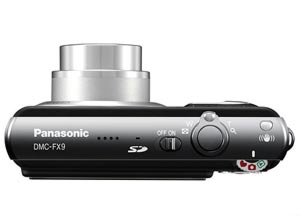
Panasonic Lumix DMC-FX9S 6MP Digital Camera with 3x Image Stabilized Optical Zoom (Silver): Buy it now
Related Posts




Tech Reviewer & Product Analyst
Định Bia has spent over 10 years testing consumer electronics with a focus on smart technology. He work as a product advisor at Biareview where he helped customers find the right devices for their needs. He personally tests every product featured on this site using a consistent evaluation framework covering quality, durability, and value. All reviews are based on experience, not influenced by the manufacturer.