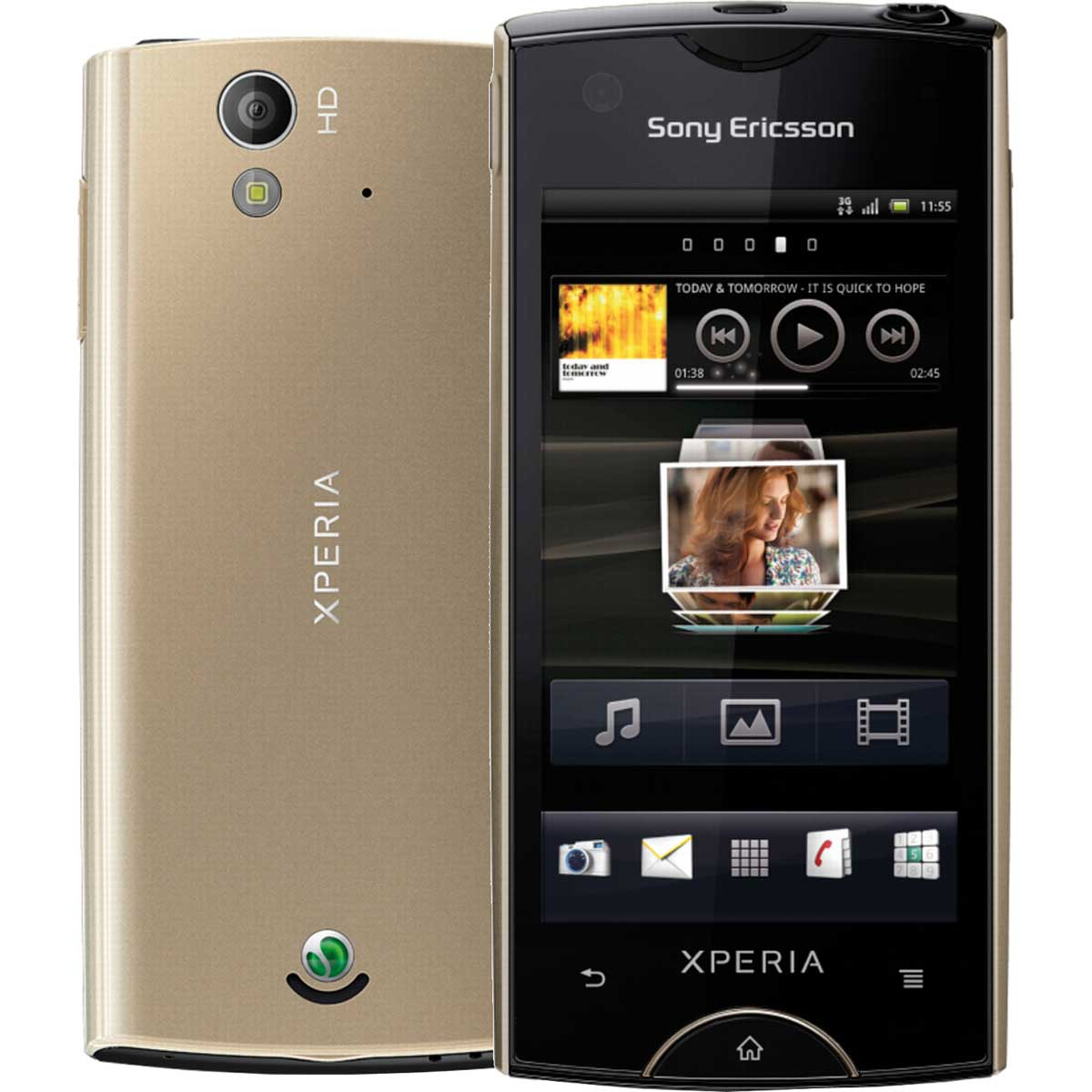
The screen is worth the high price by 3.3 inch size, but smaller than the newer Android smartphones with screens of 4 inches or more but Xperia ray screen 480×854 pixel resolution, this can be seen as screens Figure the highest resolution of the 3.3-inch screen. A pixel density up to 299 dpi, on par with the Retina screen 300dpi on Apple iPhone 4. Moreover Bravia display technology also increase the depth of color when viewing a picture or a movie.
Not only that, this smartphone runs Android 2.3 Gingerbread operating system, the back camera is equipped with sensors 8.0 Exmor R with LED video (can be used to the flash).
Design
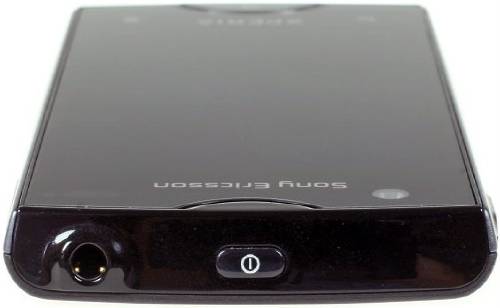
Sony Ericsson Xperia ray also has specially designed differently than the Xperia line, with large semicircular home button is placed in the center and two function keys 2 side. Most people will have to admit that this design than design slim keys inconvenient and difficult capital acquainted. Unlike the Sony Xperia arc, Sony Xperia ray has front camera for video chat support, but in return must sacrifice HDMI. ROM capacity of the machine only 300MB but 4GB microSD card.
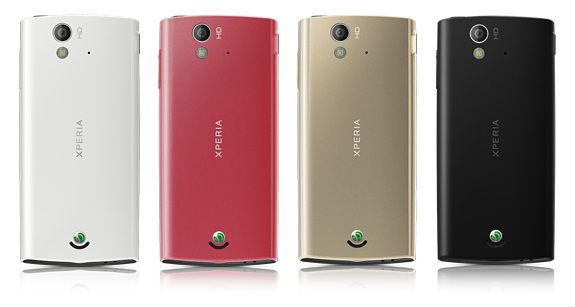
In the tradition of the Xperia line, the design of this smartphone is very slim and style with glossy black front with color options including pink, black, white and gold. Xperia ray not only able to attract those who love beautiful and stylish smartphone but also fully functional. However a minus point of this handset is designed microUSB port at the top left corner makes using the phone while it is plugged in rather inconvenient.
Display
The Sony Xperia Ray came with a 3.3-inch TFT LCD screen, and it ran at 480 x 854 pixels. Now sure, the display size might feel kinda small compared to today’s phones, but it fit the phones compact build pretty nicely.
Brightness and Clarity:
On the whole, the screen gave decent brightness, plus good clarity. So it worked for things like web surfing, looking at photos, and even video watching. With 480 x 854 pixels, the pixel density landed around 297 PPI, so text looked fairly crisp, and images did as well , without too much blur.
Color Reproduction:
The Xperia Ray’s screen gave out pretty vibrant colors, a nd the contrast was decent. In general the color reproduction looked accurate, and it could show a fairly broad set of hues. But, as with many LCD displays from that era, it didn’t feel as vivid or as heavily saturated as AMOLED panels you might see on a few other gadgets.
Viewing Angles:
The viewing angles were okay, though not anything to write home about. When you looked at it from really off-side angles , the screen got harder to see, and the colors along with the contrast kind of faded out. Still, for most normal viewing situations it stayed usable.
Outdoor Visibility:
Outdoors it did pretty well, even under bright light. It wasn’t quite as bright as some top-tier smartphones , but you could still read things in direct sunlight. Some people may need to bump up the brightness by hand to keep everything clear in very harsh environments.
Overall, the Xperia Ray’s display matched what you’d expect from its size, and it struck a decent balance between brightness, color faithfulness and overall clarity, at least for its time.
SONY ERICSSON XPERIA RAY / ST18i (PINK) : UNLOCKED INTERNATIONAL GSM ANDRIOD PHONE: Buy it now
Docomo Xperia ray SO-03C SIM Unlock! White: Buy it now
Performance
The Sony Xperia Ray was running on a Qualcomm MSM8255 Snapdragon unit, with a one-core 1 GHz CPU and 512 MB RAM. In practice this setup could feel pretty steady for the day to day stuff, and for some moderate multitasking kinda thing, though not in a powerhouse way.
User Experience:
Day to day, the Xperia Ray did the usual job well. Making calls, shooting off text messages, and web surfing felt straightforward, like things moved at the right pace. The response looked snappy, with only minimal lag during normal moments, you know when you are switching between menus, or opening a basic app.
Multitasking:
Here it was more “okay” than “impressive”. The hardware could handle the basics, so you can keep a few applications open at once. But if several heavier apps were active, then yeah, things could start to drag. And since RAM is limited, you had to be a bit careful about what stayed open, otherwise smoothness would take a hit.
Web Browsing:
Browsing was decent overall. The phone supported HTML and JavaScript, so most websites loaded, and interactive parts still worked as expected. The catch was the small display size, which made reading and scrolling a little less comfy compared to larger phones. Still, for standard web content and simple tasks, it was able to cope without too much fuss.
Gaming:
The phone could run basic games and a few more demanding titles, from the Android Market (now the Google Play Store). The Xperia Ray’s output was mostly ok for casual play , but once games got graphically heavy, it kinda fell behind. For people wanting something more ,like a proper gaming device , they’d probably feel the Xperia Ray is a bit limited in that area.
Benchmarking:
When benchmark tests were checked out, the Xperia Ray looked competitive compared with other phones in the same tier. It clearly didn’t keep up with high-end devices , but it still managed a pretty solid experience, depending on what the target audience expected.
Overall:
The Sony Xperia Ray delivers a pretty capable performance for a small phone, easily taking care of daily errands and doing moderate multitasking without too much hassle.
Interface and Features
Facebook application combined with Android 2.3 Gingerbread for more features to use. Users can get notified of the birthday of a friend, like and comment on photos to share or songs at your photo folder or media player software. The notification will be displayed on the standby screen.
Xperia ray’s IU’s Timescape also very smooth operation. 1GHz processor Qualcomm Snapdragon 2nd generation of Ram and 512MB enough for it to operate a stable and good handling conventional applications.
Ability to support Adobe Flash excellent chipset enables very smooth web surfing, plus 3.3 inch screen 480×854 pixel resolution display good writing. But the editor on a small touch screen may be slightly inconvenient. Machines capable of 3G connectivity, WiFi, Bluetooth, aGPS and FM.
Take a photo
Timescape interface allow users to zoom in volume control button when taking pictures, something the Sony Xperia arc did not. Photography software with the usual shooting modes like Sports, Night, Snow, Beach. Macro mode will automatically operate when shooting at distances of about 15-25 cm
In normal conditions, the camera for images with high contrast and warmer colors, sharp detail and very good. In low light conditions appear noise, but this is common in most of today’s smartphones.
User Experience
The whole user experience on the Sony Xperia Ray felt pretty defined by a few things, mostly its small body, solid day to day speed, and an interface that didn’t fight back. It kind of sounds simple, but when you actually use it you notice it. Anyway here’s a more careful look, like at different bits and pieces, and how they come together.
Usability:
The Xperia Ray is tiny, and the user interface is also pretty well arranged, so it was not hard to use with one hand. The physical buttons give that nice tactile click, and the touch part stays responsive, it feels quick and natural. Because it’s so compact you can hold it for longer without tiring out your grip, and operating it just feels calmer.
Performance:
Day to day performance is mostly smooth, for stuff like browsing webpages, replying on messages, and keeping up with social media. Sure the single-core processor and the smaller RAM amount mean it won’t shine with heavy apps, but for common routines it does what you expect. It’s not “fast” in a flashy way, more like reliably steady.
Software Experience:
It ran Android Gingerbread and Sony’s own interface layer on top. That combination offered something stable, and still adjustable enough for most users. You could tweak things around with themes, widgets, and shortcuts placed where they felt useful. Overall the software experience leaned positive, but of course it didn’t have all the extra improvements that newer Android versions eventually brought.
Design and Aesthetics:
The Xperia Ray looks sleek, and the materials give it a more premium feel. The compact size, plus that clean look, makes it appealing if you care about both the appearance and the practical side. It feels stylish without trying too hard, and that balance is kind of the point.
Ergonomics
The phone ergonomic design, sorta ensured comfortable handling and ease of use. The physical buttons were placed pretty well, and the compact size helped the phone feel easy to carry and operate with one hand. Also the build quality and materials seemed to contribute to that overall positive feel
Battery Life
The Xperia Ray battery life was adequate enough to get through a full day with average use. There were power management features in place too, which let users extend battery life and keep things running at steady performance throughout the day
Overall Impressions
The Sony Xperia Ray came off as a well-rounded device, it had that decent balance between design, performance and features. Because it is compact, has a stylish design , and performs solidly it felt like a suitable pick for people who actually preferred smaller smartphones
Pros and Cons
Pros
Compact Design : The Xperia Ray slim lightweight look made it easier to manage and carry around
Premium Build Quality: The mix of plastic and metal materials gave the phone a kind of high end feel.
Good Camera Performance: The 8.1-megapixel camera turned out clear photos with solid detail, and it also handled video recording decently.
User-Friendly Interface: The custom user interface along with Android Gingerbread created a smooth, and also customizable experience.
Decent Battery Life: The 1500 mAh battery provided enough power for a full day of regular use.
Cons:
Small Display : that 3.3-inch screen felt a bit smaller than a lot of other smartphones at the time, so viewing videos , and browsing felt kind of cramped.
Limited Multitasking : with a single-core processor and only 512 MB RAM, it struggled to juggle apps smoothly.
Basic Connectivity : it did have 3G, Wi-Fi, and Bluetooth, but it missed several newer connectivity options that people expected later on.
Low-Light Camera Performance: in darker settings the camera wasn’t all that great , so the shots often came out grainy.
Summary
Sony Ericsson Xperia ray can be considered a compact version of the Xperia arc, this smartphone to sacrifice the HDMI port and flash to get a smaller size. 3.3 inch screen with high resolution capable of displaying clear images and text, sensor Exmor R 8.0 are worth the high price at the stage of photography. External speaker for loud and clear sound, and like the Xperia line of smartphones, this handset has 2 mic recording to reduce noise. Xperia ray is also equipped with 1500mAh battery allows continuous call for 7 hours. All these advantages are wrapped into a beautiful product, slim and stylish.
Related Posts



Tech Reviewer & Product Analyst
Định Bia has spent over 10 years testing consumer electronics with a focus on smart technology. He work as a product advisor at Biareview where he helped customers find the right devices for their needs. He personally tests every product featured on this site using a consistent evaluation framework covering quality, durability, and value. All reviews are based on experience, not influenced by the manufacturer.