Introduction
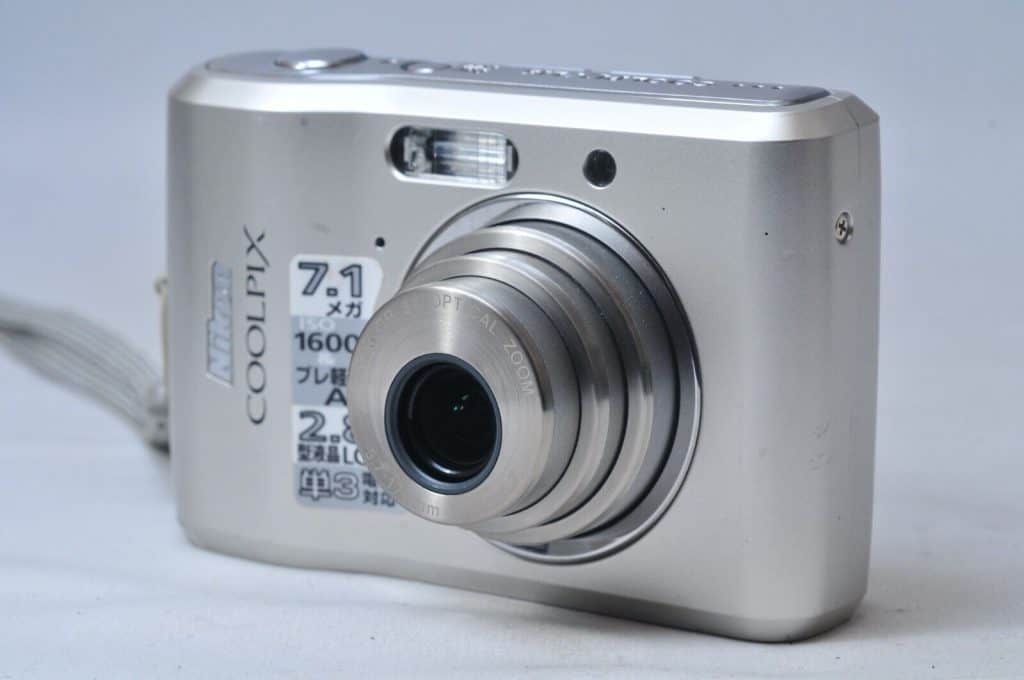
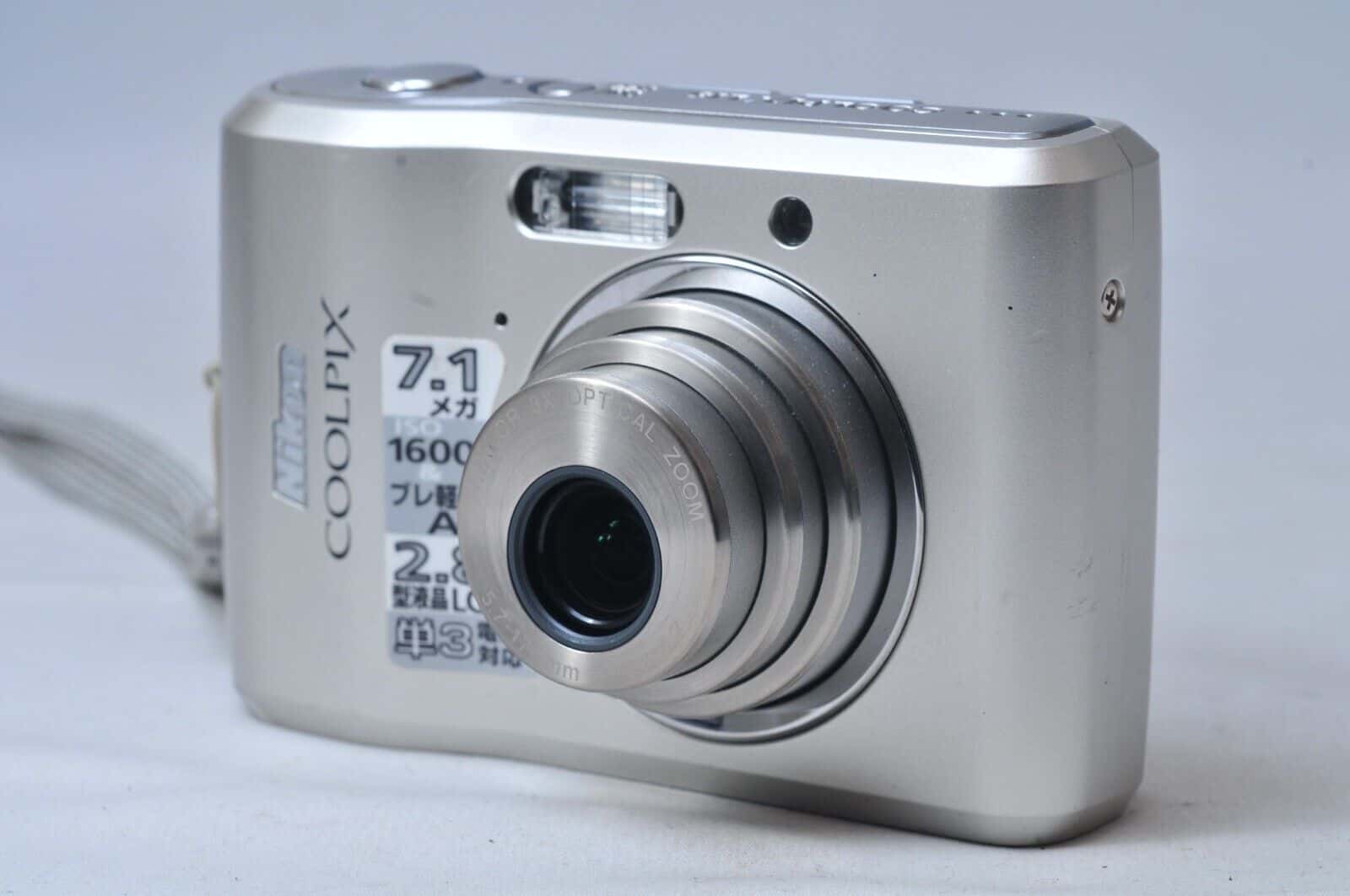
The Coolpix L16 doesn’t try to be more than it is — 7.1 megapixels, 3x zoom, a menu that doesn’t require thought. It’s a camera for someone who just wants to point, shoot, and get a reasonable photo, not chase specs.
Design and build: Around 125 grams without the battery or card — light enough to forget it’s in your bag, which is really the whole point of a camera like this.
It’s almost entirely plastic, which is why it’s so light in the first place. The trade-off is obvious: it doesn’t feel as solid as Nikon’s metal-bodied cameras, and it’s not going to survive being dropped on concrete. But for tossing in a bag and pulling out at a birthday party, it’ll hold up fine.
Button Layout
The button layout of the Nikon Coolpix L16 is simple and intuitive – a very deliberate decision on the part of their designers, keeping in mind the first-time users. A power button and shutter release button are placed at the top of the camera, and the rear side consists of a four-way directional pad to navigate the options in the menu, reviewing images, entering the menu, and deleting images. The zoom control placed along with the shutter button allows for easy thumb activation to zoom in and out.
Though the buttons have good spacing and positive tactile feedback, they help minimize accidental presses. The simplicity of the layout helps users who may not be familiar with more complex camera systems.
Display
The LCD of the Nikon Coolpix L16 measures 2.8 inches and has a resolution of 115,000 dots. This would be considered pretty low by today’s standards, but for its class and era, it was on the acceptable side. It is a fair screen when it comes to framing shots or reviewing images, but its low resolution means finer detail may not show so well. In addition, the screen visibility in direct sunlight is a problem when trying to shoot outdoor scenes.
Parts of Digital Cameras
Lens and Zoom
The 3x optical zoom lens fitted on the camera has a focal length of 35-105mm (35mm equivalent). The range serves all kinds of shooting situations, from panoramas to moderate telephoto images. The lens aperture of f/2.8-4.7 is fairly bright and allows for decent performance in low-light environments but pretty much fails in extremely dim settings without flash assistance.
There is a 4x digital zoom that can complement the optical zoom, but with all digital zooms, the picture quality suffers severely with its use. Hence, it is better to use optical zoom and focus on that rather than use digital zoom at all unless it is utterly required.
Image sensor
This camera will give fine detail and color reproduction with high-quality imaging due to its 7.1-megapixel CCD sensor. The sensor dimension: 1/2.5 inches.
Processor
The Nikon Coolpix L16 uses the Expeed processing system from Nikon to help enhance image quality as well as reduce noise in low-light conditions. The power of the processing circuit within the camera is not very high.
Storage
Photos and videos recorded with the Nikon Coolpix L16 are stored in Secure Digital (SD) memory cards. The camera has built-in storage of 7MB, which is only enough to hold about three full-resolution photos.
Battery Life
It is powered by two AA batteries, which is a plus feature when you are traveling, as they are easy to find. With a fair-lasting value, the camera is capable of taking about 150 shots to 200 shots with freshly installed alkaline batteries. The rechargeable NiMH batteries serve for a longer duration, which is more environmentally friendly too.
The only downside of using AA batteries is that they increase the bulk of the camera somewhat as compared to cameras using proprietary lithium-ion batteries. However, this inconvenience is a fair exchange for those who cherish the convenience of replaceable power sources.
Features of Digital Cameras
Image resolution
7.1 megapixels, max resolution of 3072×2304. That’s a low number now, but honestly it’s still enough for a decent-sized print or anything you’re posting online.
ISO sensitivity
The camera has an ISO range of 64-1000 for versatile lighting, but image quality deteriorates above ISO 400.
Shutter speed
This means capturing fast-moving subjects and depth of field control in the 4s to 1/2000sec duration offered by the camera.
Aperture
The f/2.8-f/5.2 aperture range grants users the ability to control depth of field and thereby effectively produce pleasant images with a bokeh effect.
White Balance
Presets cover Auto, Daylight, Incandescent, Fluorescent, Cloudy, plus a manual setting if you want to override it. Auto’s honestly fine most of the time colors come out looking natural without you having to touch anything. Nevertheless, it may struggle in mixed lighting or difficult scenarios and it is then best to switch to one of the presets or set a custom white balance for improved results.
Autofocusing system
Autofocus is nothing special, contrast-detection, same as most cameras at this level but it works. Good light, it’s fine. Low light, it gets noticeably slower and starts missing focus more often. Face detection is a nice touch for portraits, at least it knows to prioritize the person in frame.
No optical stabilization on this one, just electronic VR filling in instead. It helps a little, but it’s not the same thing, especially once you’re zoomed all the way in or shooting somewhere dim. Bottom line: keep your elbows tucked in and your hands steady, or better yet, rest the camera on something solid, because it’s not going to save a shaky shot for you.
Shooting Modes and Scenes
Scene modes cover the basics – Portrait, Landscape, Sports, Night Portrait, Close-up and picking one from the menu just tells the camera what you’re shooting so it can adjust exposure and focus on its own. No manual settings to fuss with.
Apart from the scene modes, the camera also has basic shooting modes, including Auto, which allows the camera to select the best settings for the conditions encountered, and Movie mode, which is for recording small clips.
Advantages of Cameras
Instant review and editing After taking a shot, users of the Nikon Coolpix L16 can have an instant review of the images taken, thus finding and correcting faults if any switched on. However, reviewing images in detail becomes difficult due to the camera’s low-resolution display.
High-quality images
The camera can create high-quality images despite its lower resolution that boast a fine level of detail and color reproduction.
Versatility
The 3x zoom isn’t going to wow anyone on paper, but it covers enough range — wide shots, a reasonably close portrait — without asking you to think about it.
This is a beginner’s camera, and it doesn’t pretend otherwise. Cheap, easy to use, decent photos for what it costs. Light enough and long-lasting enough on battery to actually bring on a trip instead of leaving in a drawer. If you want manual controls or anything approaching serious photography, this isn’t your camera — there are better options for that, just not this one.
Nikon Coolpix L16 Digital Camera: Buy it now
Related Posts

Tech Reviewer & Product Analyst
Định Bia has spent over 10 years testing consumer electronics with a focus on smart technology. He work as a product advisor at Biareview where he helped customers find the right devices for their needs. He personally tests every product featured on this site using a consistent evaluation framework covering quality, durability, and value. All reviews are based on experience, not influenced by the manufacturer.