Introducton
The Sigma FP L came out in 2021 as the higher-res version of the original FP, same absurdly small full-frame body, but Sigma crammed a 61-megapixel sensor into it. That’s more resolution than almost anything else in full-frame right now, Sony’s 61MP A7R V included. It’s not a camera for everything — that pixel count makes it grabby in low light but for landscape, studio, or product work where you’re cropping in hard, it’s hard to beat.
Start with the lens
Everything else in the camera is downstream of it. The lens is what actually bends light onto the sensor, and a mediocre lens will drag down even a 61MP sensor faster than the sensor itself can help you.
Image sensor: This part of the camera captures the light and converts it to an electrical signal. Size, as well as resolution of the image sensor, has direct implications on image quality.
Processor: The processor processes the electrical signal from the image sensor and converts it into a digital image.
Image display: The display is the screen on the back of the camera that shows previews and allows you to see the images reviewed. It is also informed of the settings and controls of the camera.
Storage: That is where digital images are stored, either in internal memory or on separate memory cards.
Battery: The battery powers the camera, without which it cannot run. Battery life and battery capacity are other factors to consider when looking for a camera.
Digital Camera Features
The Sigma FP L has many advanced features that make it different from any other digital camera.
Image resolution: The FP L has a 61-megapixel full-frame image sensor which puts it among the highest resolution ranges of any full-frame camera. So, all that detail will be beautifully captured.
ISO sensitivity: Broadly speaking, Sigma FP L ISO spans almost the complete range, starting from 100 through to 102,400. It can be taken to use in any surroundings, even dark ones.
Shutter speed: The maximum speed considered would be 1/8000 second, which allows the capturing of fast-moving subjects quite easily.
Aperture: The Sigma FP L can open wide at f/1.2, all the way down to f/16, allowing you to take images with a shallow depth of field, which is very effective for portraits and other such photography.
White balance: There are several white balance presets on the Sigma FP L, as well as the ability to create custom white balance settings to help capture accurate colors across different lighting conditions.
Autofocus
Sigma paired contrast and phase detection here, and in practice it locks fast and doesn’t hunt much once it’s found the subject.
Image stabilization
No IBIS, which is a real gap for a camera in this price bracket — you’ll feel it if you shoot handheld video or work in low light without a tripod. Sigma’s workaround is pushing stabilization into the lenses instead, and since most of the glass built for this system already has it, you’re not usually left exposed. Still, it’s not quite the same as having stabilization baked into the body itself.
Advantages of Cameras
Superb Quality Images
Image Quality
The 61-megapixel, full-frame Sigma FP L sensor can produce exceptionally high-res pictures that would exhibit great detail and clarity while having extremely low noise levels and an extended dynamic range, providing possibilities even in low-light photography. With the advanced image processing technology, this camera can also produce accurate colors with perfectly natural skin tones, making it perfect for portrait and studio photography.
Video Features
As for the videographer, the Sigma FP L can record a video of up to 30 frames per second at 4K. It has many recording modes like CinemaDNG, ProRes RAW, and HDR recording for the production of high-caliber footage. The external monitor connected through the HDMI port of the camera makes it easy to monitor and adjust the image during filming.
Customizability and Flexibility
Among many of the great features of the Sigma FP L, the most attractive one is its customization for various functions assigned to different buttons and dials to make it easier to reach often-used settings. The camera also has more customized menus and displays for an individual shooting style. Furthermore, the extreme modularity of the camera permits the addition or removal of many accessories, such as a viewfinder or an external grip, making it even more adaptable for various shooting situations.
Durability and Build Quality
Withstanding the harshest environments, the Sigma FP L is built. The exceptional weatherproofing for dust and moisture is added to the aluminum and magnesium alloy body, which is robust yet lightweight. Furthermore, since it utilizes an electronic shutter, it minimizes mechanical shutter wear and tear and increases its longevity.
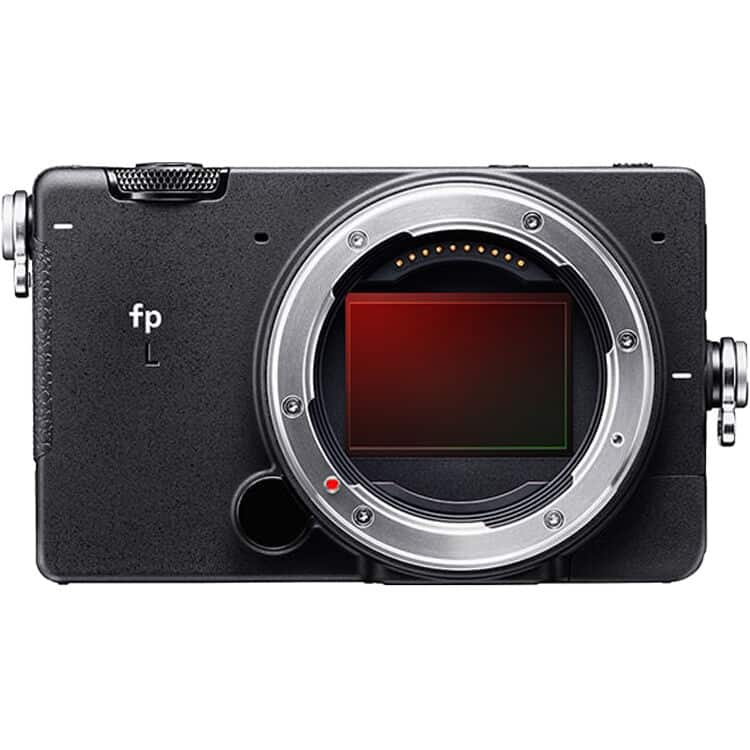
Sigma FP L Digital Camera: Buy it now
Conclusion
Finally, Sigma will launch FP L, the perfect digital camera for professionals looking for a modern high-resolution DSLR with advanced video capabilities. The versatility of this optical device is unmatched, thanks to integration possibilities and modular design that guarantee eye-popping results. It definitely can handle the worst of shooting conditions because of its solid construction and durability. The image quality is stunning, with accurate colors, natural skin tones, and low noise brilliant for portrait and studio photographers. In summary, the new Sigma FP L camera is performing brilliantly and is flexible.
Related Posts



Tech Reviewer & Product Analyst
Định Bia has spent over 10 years testing consumer electronics with a focus on smart technology. He work as a product advisor at Biareview where he helped customers find the right devices for their needs. He personally tests every product featured on this site using a consistent evaluation framework covering quality, durability, and value. All reviews are based on experience, not influenced by the manufacturer.