
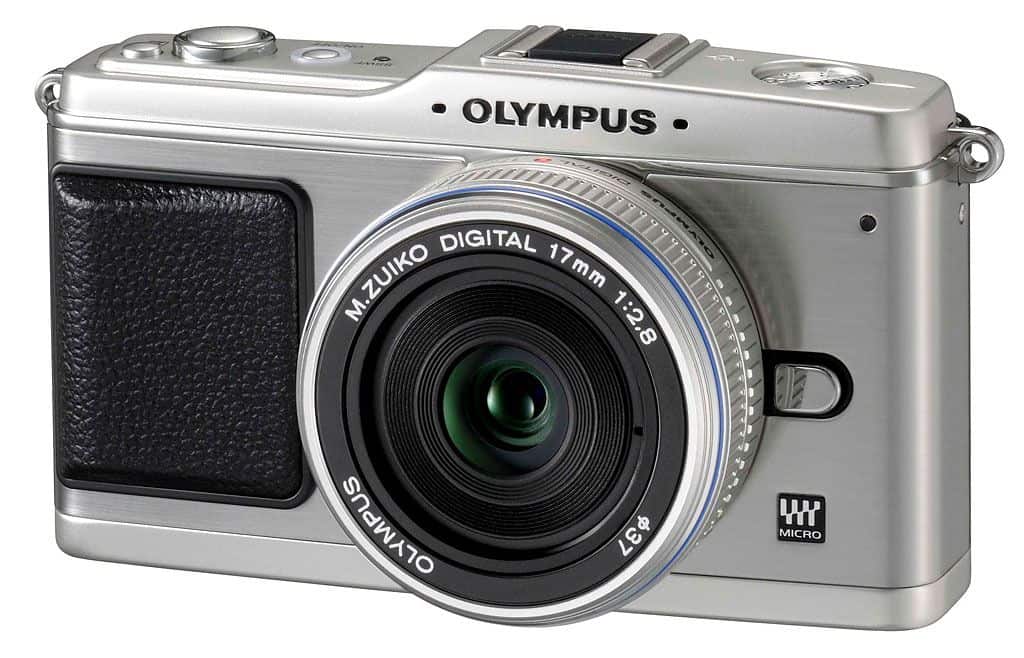
The E-P1’s casing is carefully crafted to feel like they have a professional compact camera. E-P1’s sophisticated stainless steel frame gives you the impression of a powerful camera with glamorous looks. However, the machine is quite large, causing some difficulties for users in some cases.
Along with is elegant design, the E-P1’s user interface is simple and easy to use. The design of the buttons, the four navigation keys and the scroll wheel are very flexible and convenient.
The minus point is probably only in the design of the attached lenses. They are made of plastic will make many people unhappy, but a reasonable point when Olympus trying to reduce the weight of the lens to compensate for the body, so the body is quite heavy. However, the quality of the lens does not disappoint you.
E-P1’s automatic shooting mode does not deliver the expected quality, just like other Canon or Nikon DSLRs. However, if using the available IA shooting modes, the image quality is very good. One note on the trial is that the camera in the bright is not good, although not integrated flash.
E-P1 does not impress with video recording mode. It is capable of 720p video recording but does not use AVCHD codecs even in shortened versions. In addition, there are not many customizations for the user in this mode, E-P1’s video recording capabilities are good only for outdoor use.
Its attractive appearance, good lens quality, the E-P1 really brought a lot of interesting surprises. End-users can also achieve DSLR quality in a compact form factor. However, price, as well as limitations in video recording capabilities, have made it difficult for people who want to own a digital camera. While at the same level of money, you could end up owning better pictures with a Canon or Nikon DSLR.
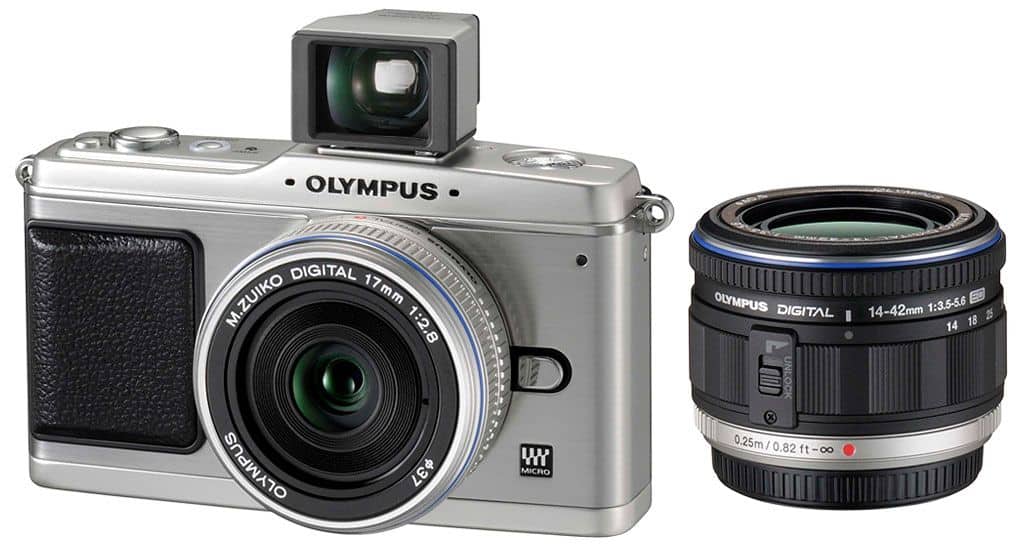
Olympus PEN E-P1 12.3 MP Micro Four Thirds Interchangeable Lens Digital Camera with 17mm f/2.8 Lens and Viewfinder (Silver): Buy it now
Olympus PEN E-P1 12 MP Micro Four Thirds Interchangeable Lens Digital Camera with 14-42mm f/3.5-5.6 Zuiko Digital Zoom Lens (Silver Body/Black Lens): Buy it now
12.3-megapixel Live MOS sensor, TruePic V processor — together they do genuinely good work. Sharp, detailed, vibrant, with dynamic range that holds up. 12.3MP is plenty for prints and cropping, and the sensor stays consistent across different lighting conditions.
Color’s where this camera really shines, honestly. Olympus has always had a reputation for color science, and the E-P1 backs it up — vibrant without looking fake, good saturation, skin tones that look right, and JPEGs that come straight out of camera looking finished. Dynamic range holds detail in both shadows and highlights well enough that you’re not constantly fighting blown-out skies or crushed blacks.
High ISO is decent — you’ll see noise past 800, but the reduction algorithm keeps enough detail intact that shots stay usable up to 1600, particularly for smaller prints or posting online.
Autofocus is contrast-detect, so it’s slower than what a DSLR offers, but it gets the job done for everyday shooting. Single-area, multi-area, face detection — all there. Continuous shooting sits around 3 fps, not built for sports but fine for casual motion. In-body stabilization is genuinely one of the better features here — it makes a real difference handheld, especially in low light or at slower shutter speeds. Battery life is a bit thin, around 300 shots on the BLS-1, so bring a spare if you’re out all day.
Using it day to day is pleasant — clean menus, a Quick Menu for the stuff you reach for often, and enough customizable buttons that experienced shooters can set it up their way. No built-in viewfinder, though — you’re shooting off the LCD unless you buy the optional VF-1 external finder for the hot shoe. It’s small and light enough to actually carry everywhere, and being Micro Four Thirds means the lens options are wide open across Olympus, Panasonic, and third-party glass.
Video’s 720p at 30fps — standard for the era, good enough for casual use. You get manual control over aperture and shutter speed while recording, which wasn’t common on cameras like this back then. Audio’s stuck with the built-in mono mic since there’s no external input, so nothing serious video-wise.
Retro looks, solid image quality, genuinely enjoyable to shoot with — that’s the E-P1 in short. Solid first camera if you’re just getting into interchangeable lenses, and it’s become the kind of thing collectors and enthusiasts genuinely like having around now. It was never going to compete with current specs, and at this point that’s kind of beside the point.
Related Posts

Tech Reviewer & Product Analyst
Định Bia has spent over 10 years testing consumer electronics with a focus on smart technology. He work as a product advisor at Biareview where he helped customers find the right devices for their needs. He personally tests every product featured on this site using a consistent evaluation framework covering quality, durability, and value. All reviews are based on experience, not influenced by the manufacturer.