Super-zoom lines are now beginning to shape two major segments: the dull-looking, DSLR-like, and the compact, but equally magnificent. The L110 is in the basement with some basics like a 12-megapixel sensor, 15x optical zoom and 720p HD video recording.
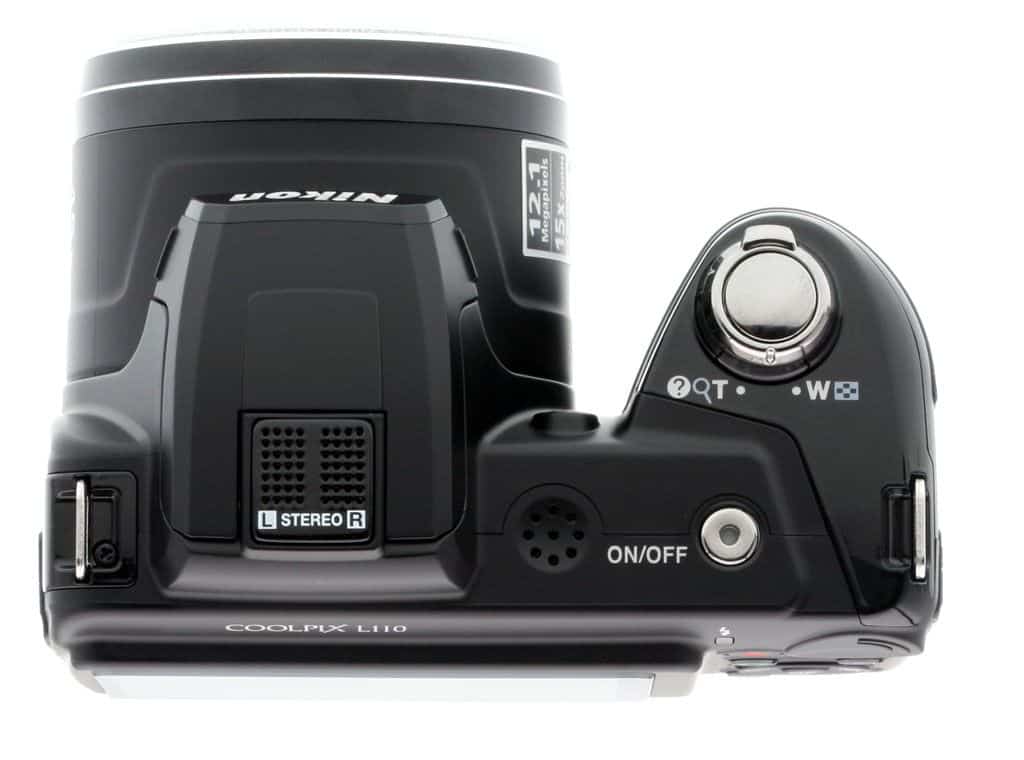
As an alternative to the Nikon CoolPix L100, the L110 adds some advanced and advanced features to its predecessor. The thing to notice right away is the ability to shoot 720p HD video with stereo recording and a resolution of 10 to 12 million pixels. The optical zoom is kept at 15x (28 – 420mm) and anti-vibration sensor, but some minor details have been improved as the LCD screen is still 3 inches but the resolution has been raised double, up to 460,000 pixels.
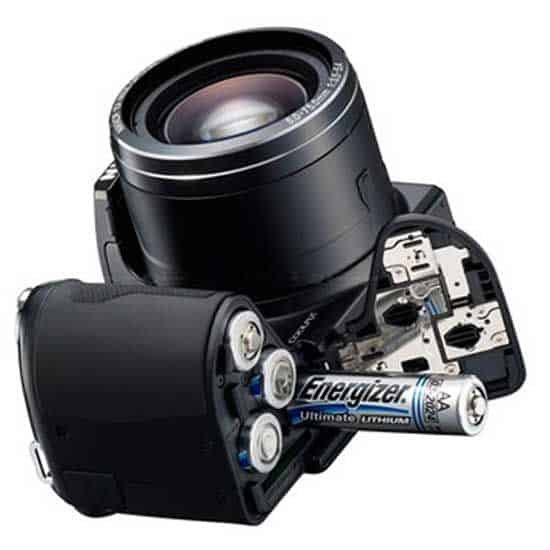
In terms of shape, the L110 does not differ much from the L100 except for minor changes. Although the shell is made of plastic, but with the traditional design of the Nikon, the L110 body is still firm enough strength and compaction. Instead of using lithium batteries, the Nikon designed for the L110 uses four popular AA batteries, which makes it easy to replace them.
Although it looks bumpy, Nikon probably also has implications for the popularity of the product when the L110 version with the Lxx series with the travel version of his with less advanced custom features such as other semi-professional bridge versions. The machine supports 5 default modes, including Auto Full mode. When you switch to this mode, there are only 5 more customizable snapshots that can be intercepted, including image size, white balance, continuous shooting, ISO and color custom modes not diferent menu on travel machine.
Other default modes include Scene Mode with 14 options, Smart Potrait can Face and Smile Detection. Sport Continuous capture up to 30 frames at 13 frames per second (with image condition down to 3 million pixel).
The highlight of the L110 compared to the previous version was the addition of Nikon’s ability to shoot 720p HD video at 30 frames per second. The camera supports autofocus and optical zoom while rotating without any noise affecting recording quality. The stereo sound obtained through the two microphones on the unit is quite good, however, due to the proximity arrangement, the separation of the two channels is not clear enough.
In terms of performance, the L110 is more advanced but looks a bit slower than the L100. The boot time takes about 3 seconds, similar to the L100, but the time between shots taken at the highest resolution takes up to 2.5 seconds. Shooting speed is also unstable, continuous shooting mode takes up to 1.8 seconds / picture, but no sound or lightning is reported to have taken continuously.
Nikon Coolpix L110 12.1MP Digital Camera with 15x Optical Vibration Reduction (VR) Zoom and 3.0-Inch LCD (Black): Buy it now
Nikon Coolpix L110 12.1MP Digital Camera with 15x Optical Vibration Reduction (VR) Zoom and 3.0-Inch LCD (Red): Buy it now
The focus system is nothing special from the previous version with only a focus mode. Under good lighting conditions, the focus speed is quite fast and accurate, however, when the light is slightly weak or the zoom is a bit far off, the speed is noticeably reduced. The L110 is a bit more refined with a focus-assist lamp, so it can focus in dark conditions within a few meters.
Picture quality is generally good but there are still some issues. The lenses provide sharp edges but the chromatic aberrations at the corners are too sharp, especially at wide-angle focal lengths. Colors are bright but tend to be slightly red, similar to the L100. At 12 million pixels, the details are quite complete, but occasionally the signal is too high interference that makes the image is not soft.
The worst problem of the L110 is interference, or rather, the noise reduction mechanism is not effective. Even at ISO 100, red-band interference began to occur, and at ISO 400, all color channels reduced the detail of the image. This is understandable because of this version of the bunker but to reduce the cost so it was too greedy crammed to 12 million pixel into the small size 1 / 2.3 inch as the other versions of travel machine in the market.
Nikon CoolPix L110 is a rather unusual version of Nikon that looks like a real DSLR, but features and views of menu design tend to be simple, easy. Machine belong the travel line. Therefore, despite the good image quality, the interference processing ability does not overcome the inherent disadvantages of small sensors travel machine.
Image Quality
12.1-megapixel CCD sensor — dated next to the CMOS chips in newer cameras, but CCDs were always decent at color and dynamic range, and this one’s no exception. 12.1MP is plenty for prints and sharing online without bloating file sizes. The EXPEED processor keeps colors accurate and noise reasonably controlled.
The NIKKOR lens is really the whole story here: 15x zoom, 28-420mm equivalent. Wide enough for landscapes and group shots, long enough to actually reach wildlife or sports, and sharp for most of that stretch. At 420mm you genuinely need the stabilization — hand-hold it without OIS and you’re not getting a usable shot.
Color is where Nikon’s reputation earns its keep here, saturated but natural, good skin tones, works whether you’re shooting portraits or landscapes. Dynamic range obviously can’t touch a DSLR, but for typical daylight scenes it holds shadow and highlight detail just fine.
Autofocus is contrast-detect — reliable, not quick, which was par for the course at this level. You’ve got single AF, continuous AF, manual focus, and a macro mode that gets down to 1cm for close-up shots of flowers or small objects.
Burst shooting is slow, about 1.1 fps, and the buffer fills after just a few frames. This isn’t a camera for action photography, and it was never trying to be.
Battery life is the pleasant surprise: four AA batteries get roughly 840 shots per set, which beats most cameras in this class, and AAs you can buy anywhere in a pinch.
Video maxes out at 720p, decent color, you can zoom mid-recording. The mic’s fine for casual use but there’s no external input, so don’t expect to do anything serious with audio. One-button movie mode, plus a few video-specific scene presets like night landscape.
Menu system is clean, and dedicated buttons for ISO, exposure comp, and white balance mean you’re not constantly digging through settings. Manual control is limited but present — mostly this camera wants to be run on auto, and it does that well. Small and light enough to just toss in a bag.
Where it wins: dead simple to use, that 15x zoom is genuinely flexible, images look good in decent light, and battery life is honestly better than it has any right to be. Where it doesn’t: no manual control to speak of, no electronic viewfinder (the LCD’s fine though), and autofocus that struggles once the light drops.
If you just want something affordable that doesn’t ask much of you, this still does the job — especially if you’re new to cameras or just want something for casual shooting. It’s not competing with current tech, and it doesn’t need to.
Related Posts


Tech Reviewer & Product Analyst
Định Bia has spent over 10 years testing consumer electronics with a focus on smart technology. He work as a product advisor at Biareview where he helped customers find the right devices for their needs. He personally tests every product featured on this site using a consistent evaluation framework covering quality, durability, and value. All reviews are based on experience, not influenced by the manufacturer.