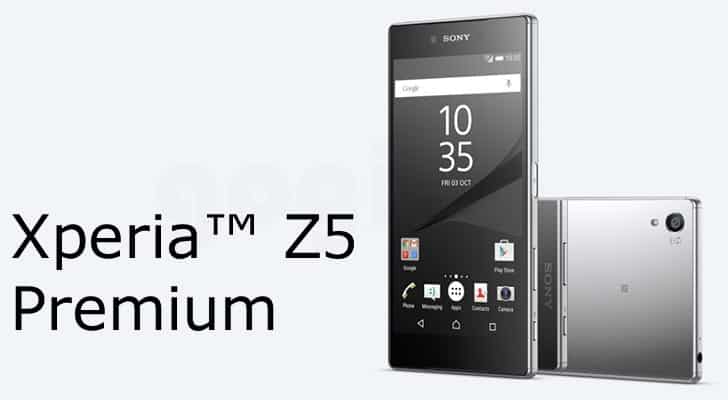
Sony has officially unveiled the Xperia Z5 products Premium with many improvements, significant changes. In addition to bold design features of the “Z” look very chic, breakthrough machine created by equipping up to 5.5 inch screen with a resolution of 2160 x 3840 pixels, pixel density reached 806 ppi. This is the first handset in the world to own 4K screen resolution is usually only appears on the TV screen line advanced.
If the sample has looked familiar products in Sony’s previous Z series, we will surely see enough of a difference compared to the Xperia Z5 Premium predecessor with a larger screen size really. Machine still bold design style OmniBalance balance aesthetics and functionality together. Overview, Xperia Z5 Premium has a very high degree of perfection, holding fairly easily with soft curved frame boards, the entire front and back are fitted with toughened glass panels, curb scratches in the actual use.
Above the Xperia Z5 Premium includes speakers, front camera, light notified and sensor clusters. The bottom of the machine equipped with speakers 2, microphones – have cleverly placed phone hidden strip navigation keys as “virtual” was placed in the familiar screen similar to the line of predecessors
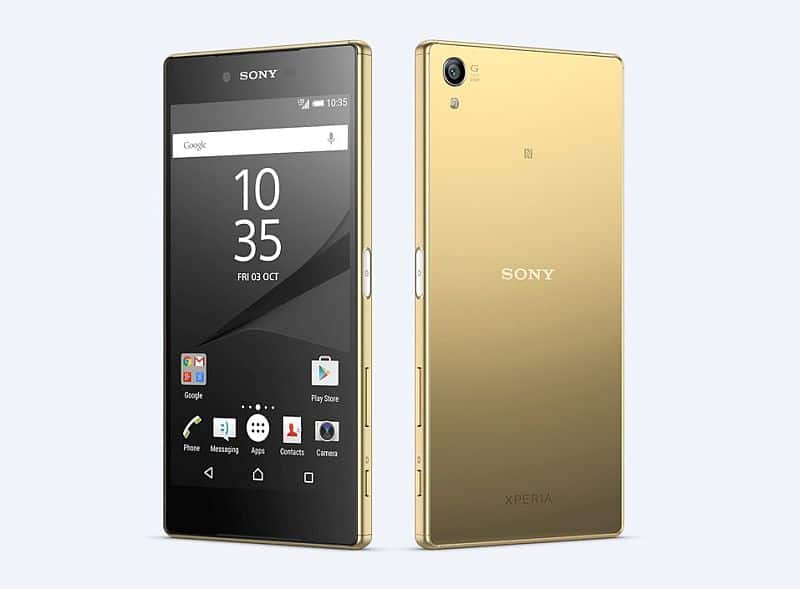
Dorsal Sony Xperia Z5 Premium uses toughened glass, fitted with 23 MP main camera and LED flash
Edge on Sony Xperia Z5 Premium fitted microphone – voice and audio jacks, 3.5 mm standard headset without lids
Bottom edge equipped Xperia Z5 Premium micro-USB port, but still do not have a lid for water resistance, together with the jacks to strap on your hands when taking pictures or use, avoid the crashed machine
Xperia Z5 left edge Premium form fitted lids SIM slot, memory cards and the inscription XPERIA
Left edge Xperia Z5 Premium (version 1 SIM) with a lid for dust and water protection
Left edge Xperia Z5 Premium Dual (version 2 SIM) still have covers to protect, this is a good choice and optimal for those who prefer to use the 3G network, support for the demands of work and personal.
Right edge Xperia Z5 Premium equipped power button with integrated fingerprint sensor, pair volume up and down, separate capture key inherent familiar Z line
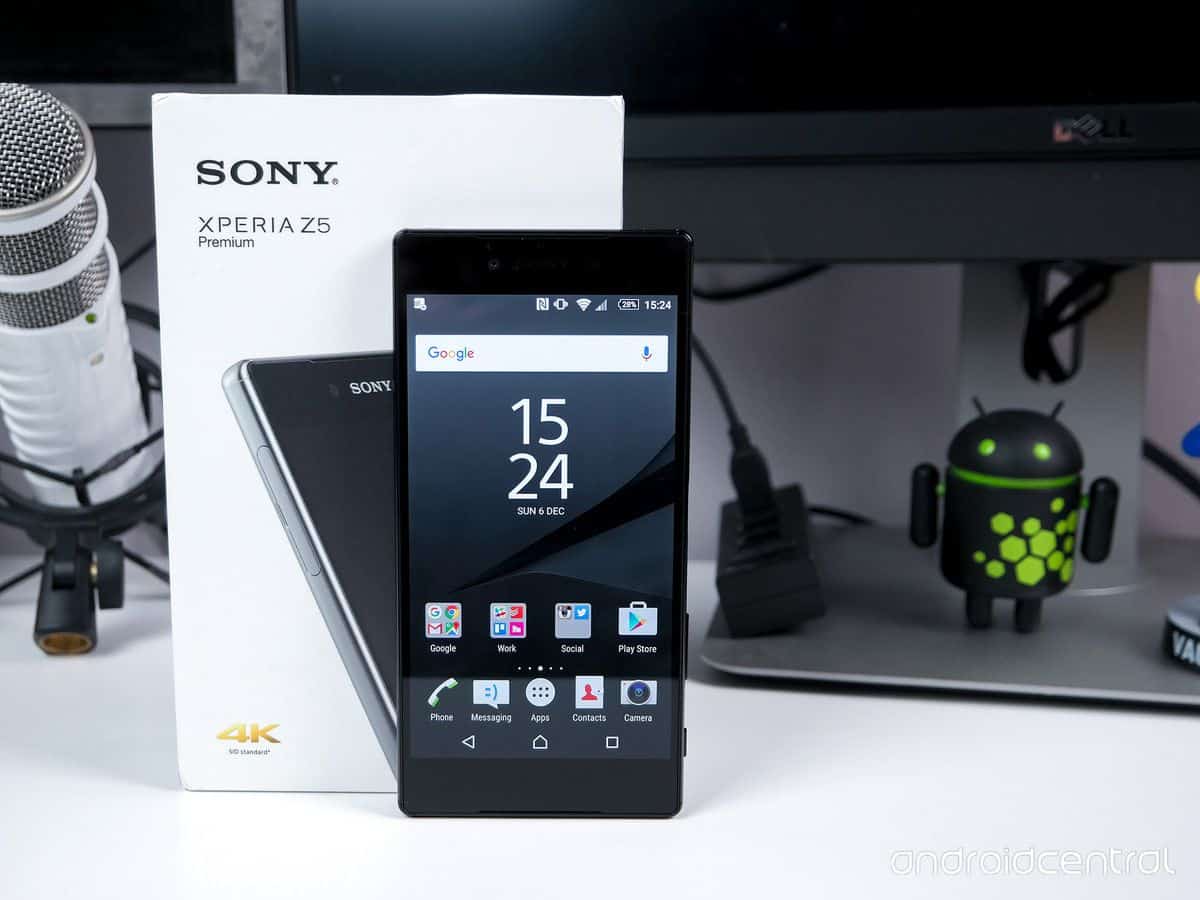
Sony Xperia Z5 Premium E6853 5.5-Inch 4K UHD Display Factory Unlocked (CHROME) – International Stock No Warranty: Buy it now
Sony Xperia Z5 Premium E6853 5.5-Inch 4K UHD Display Factory Unlocked (GOLD) – International Stock No Warranty: Buy it now
Sony Xperia Z5 Premium Dual E6883 5.5″ 23MP 32GB Smartphone – International Version / No Warranty (Black): Buy it now
Sony Xperia Z5 Premium Dual E6883 5.5″ 23MP 32GB Smartphone – International Version / No Warranty (Chrome): Buy it now
Sony Xperia Z5 Premium E6853 5.5-Inch 4K UHD Display Factory Unlocked (BLACK) – International Stock No Warranty: Buy it now
Sony Xperia Z5 Premium Dual E6883 5.5″ 23MP 32GB Smartphone – International Version / No Warranty (Gold): Buy it now
Overall, the Xperia Z5 Premium beautiful styling, class and elegance with a very good level of improvement
With very powerful configuration, the Xperia Z5 Premium equipped with 64-bit processors from Qualcomm Snapdragon 810 consists of 8 core, accompanied chip Adreno 430 graphics processor, 3GB of RAM, 32 GB of internal memory and integrated memory card slot supporting up to 200 GB capacity. From all such specifications, the Xperia Z5 Premium certainly meet basic demand, never to “give up” with any games at all at the present time.
Thanks to its 5.5-inch screen with high resolution up to 2160 x 3840 pixels on IPS panels, the Xperia Z5 Premium content display very crisp, true color, wide viewing angle and high contrast. This is the first handset supports screen resolutions up to 4K, four times the detail of Full HD. Therefore, the screen content displays the Xperia Z5 Premium is perfect, beyond the ability to recognize a user’s eyes to the level of detail of the image.
Xperia Z5 Premium equipped up to 23 MP rear camera, the sensor is very large compared to the other high-end models
The interface and features of the camera on the Xperia Z5 Premium remain similar Sony Xperia Z3 +
Xperia Z5 Premium fully integrated WiFi connection types from the standard “ac” dual-band sensor to “gyroscope” which is reserved for high-end models. Machines equipped with the battery is not removable with 3430 mAh capacity to support Quick Charge 2.0 makes fast charging time of up to 60% of battery capacity in 30 minutes.
Currently many other models were equipped with up to 4 GB of RAM, but RAM Xperia Z5 Premium 3GB just stop performance achieved very strong, meet multitasking, smooth play all the most powerful games present. Overall, the Xperia Z5 Premium with beautiful design, featuring large screen 4K resolution powerful configuration, up to 23 MP main camera, giving a very good experience for users.
Performance
Under the hood, the Xperia Z5 Premium was sort of churning along with a Qualcomm Snapdragon 810 processor, matched up with 3GB of RAM and yeah that was kinda the main combo there. The Snapdragon 810 itself was a top shelf chipset for that period, an octa-core kind of thing. You had four Cortex-A57 cores ticking at 2.0 GHz, then the other four Cortex-A53 cores at 1.5 GHz, pretty standard split. For the graphics side of it, the Adreno 430 GPU handled things pretty well, so games and visuals were taken care of.
Day to day, the Z5 Premium felt smooth and responsive, like it could keep up with you. Apps opened quickly, multitasking stayed generally fluid ,and most usual tasks were handled without much fuss. That said, the Snapdragon 810 was also kinda famous for thermal problems, and the Z5 Premium followed that pattern too. If you pushed it for long stretches ,like extended gaming sessions or heavy work, the phone would heat up in a pretty noticeable way, then thermal throttling kicked in and performance dipped.
Even with that, it could still manage demanding games, like Asphalt 8 and Modern Combat 5, with relative ease. It just had a slight weakness, especially in the most graphically loaded moments where frame rates could wobble a bit. As for RAM, 3GB was decent for the era, it supported fairly comfortable multitasking, though some other flagships were starting to show up with 4GB of RAM by that point.
Storage wise ,the Xperia Z5 Premium offered 32GB of internal storage, and about 23GB was actually available for the user. The good news was that Sony didn’t skimp on a microSD card slot, so you could expand storage up to 200GB. That mattered, since 4K content can get big, very fast.
Camera
Sony kind of has a reputation for camera know how, and the Xperia Z5 Premium really didn’t break that trend. You got a 23MP rear shooter with a 1/2.3-inch Exmor RS sensor, an f/2.0 opening, and this 24mm wide angle G lens. It also came with hybrid autofocus , mixing contrast detection and phase detection, so it could lock on fast and neatly in about 0.03 seconds, according to Sony.
When you actually use it , the camera mostly matches what the specs promise. In decent light , the pictures come out crisp and full of small details, colors look true, and the noise stays low. Even in darker scenes, it holds up pretty well, largely because of SteadyShot and that bigger sensor size, though yeah, there’s still some grain when the light gets very dim.
The camera app itself is pretty feature heavy, with things like manual controls, 4K video recording, plus a bunch of capture modes such as panorama, HDR, and AR effects. The manual setup lets you tweak items like ISO, white balance , and shutter speed , which is great if you like photography gadgets and want more hands on control over how the shots turn out.
The front-facing camera was a 5.1MP shooter , which was more than fine for selfies and video calls . It came with a wide-angle lens, it was handy when you wanted to squeeze in more faces into a single group selfie. The front setup also did pretty OK in dim lighting, mostly because Sony’s low-light optimization software had a kind of quiet magic to it.
One of the more noticeable things about the Xperia Z5 Premium’s camera was that it could record 4K video . The footage looks really detailed when it’s shot in 4K, and the SteadyShot stabilization helped smooth out a lot of that shaky stuff you get while walking, or just moving too fast . Still, 4K recording made the phone run hotter, and if you stayed recording for too long the camera app could end up stopping for a bit to avoid overheating. Not ideal, but at least it was trying to keep things safe.
Battery Life
The Xperia Z5 Premium was powered by a 3430mAh non-removable battery , which felt relatively big for a handset from its era. But the moment you add a 4K display to the mix, you quickly realize battery life became sort of the main issue for a lot of buyers.
In normal day to day use, the battery performance was decent, though not exactly outstanding . Sony’s choice to show a lot of content at 1080p rather than true 4K helped stretch the charge , so with moderate usage the phone could usually get you through a full day . That meant the usual routine like web browsing, scrolling through social media, watching videos, and snapping photos, all that kind of everyday stuff.
Still, the heavier kind of stuff , like gaming , 4K video capture, or just a lot of camera time, can chew through the battery at a faster pace. The phone also had this habit of getting warm while doing those things, and that added heat could end up messing with battery performance even more.
Sony bundled a few power saving features in the software, for example Stamina Mode and Ultra Stamina Mode, and yeah, those can really help when you’re stuck in an emergency. Stamina Mode dialed back background processes and put a cap on performance so the device can conserve power, while Ultra Stamina Mode went further and basically limited the smartphone to essentials such as calls and messages. At that point it’s like you’re dealing with a feature phone, just with a bigger screen.
The Xperia Z5 Premium also made room for Qualcomm Quick Charge 2.0, so charging could be faster if you grabbed a compatible charger. Still, it’s worth remembering that Quick Charge 2.0 wasn’t quite as speedy as the newer Quick Charge 3.0 or 4.0 methods, even if it did end up helping in daily , kind of normal use.
Software and User Interface
The Xperia Z5 Premium came out of the box with Android 5.1.1 Lollipop, and not long after, an upgrade to Android 6.0 Marshmallow was made available. Sony’s own overlay skin, often called Xperia UI, sat on top of Android, giving everything a slightly altered look , and a different user experience compared to plain stock Android.
Xperia UI was mostly pretty well liked, you know, for that clean and minimalist look, it stayed pretty close to the standard stock Android vibe. Sony did throw in a few custom touches here and there, like the ability to tweak themes and icons, but overall the whole thing didnt feel overly crowded either, no major messy extra bloatware piled on.
There was also that set of Sony proprietary apps mixed in, the usual suspects like Walkman for music, Album for photos, and Movies for videos. Those apps felt polished, and they blended in without too much friction with Sony’s larger ecosystem, especially if you already had other Sony gear, like PlayStation consoles or Bravia TVs, then it just made sense.
One thing that stood out in Xperia UI was the Small Apps feature. It basically let you run small mini-apps in floating windows, kind of sitting on top of whatever you were doing. This came in handy for multitasking, because you could keep something like a calculator, a browser tab set, or a notes page running while you used other applications. Floating apps arent a brand new idea, but Sony’s version was rather smooth, it added a kind of practical convenience for quick jobs, without forcing you to fully jump around between apps every time.
Another angle worth mentioning, especially on the Xperia Z5 Premium side, was how the software tied into Sony’s PlayStation world. The phone supported PlayStation Remote Play, so you could stream and play PS4 games right on your smartphone screen over a Wi‑Fi connection. That was a big deal for gamers, since it made it easier to stay in the same game session while you’re out and about, assuming your internet signal was solid enough.
The Xperia UI also had a Smart Connect app, it kind of handled extra things automatically from some triggers like the time of day or plugging in specific accessories. Like , for instance, people could tell the phone to open the music app when they inserted headphones or jump straight into silent mode at night. That sort of tuning really improved the experience, it made the phone feel more responsive to an individual’s habits, not just a generic routine.
Even with that though, the Xperia Z5 Premium’s software was not totally flawless. A number of users mentioned random lag and stuttering, specially when the device was under heavy load, or when multiple apps were running at the same time. On top of that, Sony was pretty quick with Android updates for the most part, but the phone still didn’t get as many big revisions as some competing brands, so some users ended up with older software sooner than they wanted.
Audio and Multimedia
Sony, in general, is known for audio gear, and the Xperia Z5 Premium kind of tried to mirror that background. The phone came with stereo speakers right on the front side, and honestly they delivered a pretty clear sound, with a decent balance. Of course the speakers didn’t have that heavy depth and bass you’d expect from larger external setups, but they were still more than enough for watching videos, gaming, and just general casual listening.
For audiophiles, the Xperia Z5 Premium had support for Hi-Res audio too, and it also brought Sony’s DSEE HX (Digital Sound Enhancement Engine) along with it, basically upscales lower resolution audio files so they get closer to near high resolution quality. I mean it was a real plus for people who kept a huge music collection on the phone, or who streamed from those higher quality services, without thinking too much about it.
It also supported LDAC ,which is Sony’s proprietary Bluetooth codec. LDAC helps push higher quality wireless audio streaming compared to the usual Bluetooth codecs, so the Xperia Z5 Premium felt like a pretty smart pick if you used it with Sony’s line of higher end wireless headphones.
The Sony Walkman app, then renamed into the Music app in later updates, was the default player on the Z5 Premium. It came with a neat, simple interface and options like ClearAudio+ along with a customizable equalizer so you could tweak the sound to your own taste. On top of that, it worked smoothly with streaming services such as Spotify, so getting to your playlists didn’t feel like a chore.
For video, the Xperia Z5 Premium’s 4K display was a big selling point. At launch there was limited 4K content, sure, but anyone who did have 4K videos around could really enjoy what the screen could do. The phone also included Sony’s X-Reality for mobile, which boosted non 4K video by sharpening things and improving color handling so even more basic, lower resolution clips looked noticeably better on the device.
Connectivity and call quality
The Xperia Z5 Premium brought a pretty complete bag of connectivity tools , like 4G LTE Wi-Fi 802.11ac Bluetooth 4.1 NFC and GPS. It also had support for DLNA and Miracast , so you could beam content wirelessly to compatible devices such as TVs, set of speakers , and other playback hardware. For everyday use it felt solid overall, not just “working” but staying consistent with the usual signals you expect.
When it came to call quality , the Xperia Z5 Premium was generally quite good. Voice sounded clear and sharp on both sides of the line , and you could notice the noise-cancellation tech doing its job. That helped cut down background chaos, so conversations stayed easier even in busier streets or crowded indoor spaces. Also the front-facing speaker arrangement mattered a bit , the earpiece seemed placed in a way that supported better voice delivery during calls, instead of making everything feel muffled.
A small downside , connectivity wise was the choice of micro-USB instead of the newer USB-C. At that time USB-C was showing up more in flagship models , and micro-USB felt a little “old-school”. Because of that, data transfer speed and charging efficiency weren’t as strong as what USB-C could offer, and users also had to keep using the older cable and accessory ecosystem.
Durability and water resistance
Earlier, the Xperia Z5 Premium had an IP68 rating for water and dust protection, kinda. In practical terms, that means the phone could be slipped under water up to roughly 1.5 meters for around 30 minutes without suffering damage. This type of classification is pretty enticing for folks who worry about little spills, sudden rain, or that occasional quick dip, just to be safe. It gives that “ok, it’ll probably survive” reassurance when you’re out and about, even when life gets messy.
The phone’s glass plus metal build really helped with durability, but it also made the device a bit more open to getting hurt if it gets dropped. The glass back, which is visually pleasing, still had that annoying habit of cracking when the phone hits a hard surface, so yeah, a lot of people went for some kind of protective case, mostly to keep their investment safe.
Even with its water resistance, there’s a catch, Sony said to avoid using the Xperia Z5 Premium in saltwater, chlorinated pools , or even while diving, because those settings could still wear it down and cause harm gradually. In other words, the water resistance was less about inviting the phone to be taken swimming and more about giving users some peace of mind after those tiny, accidental splashes and exposures.
Conclusion
The Sony Xperia Z5 Premium was kind a ambitious, and yeah pretty bold entry into the smartphone market. It brought what was basically the world’s first 4K display in a phone, plus a premium feel, water resistance, and a camera that was genuinely high quality. Still, it wasn’t totally perfect , because there were some flaws, especially around thermal management and the real-world, day to day value of having 4K on a smaller screen. But you could tell, it was a device meant to show Sony really wanted to push past the “normal” idea of what a smartphone can be.
If you were the type of user who enjoyed cutting edge technology and didn’t mind trade-offs then the Xperia Z5 Premium would feel like a great pick. It had a rare mix of features that made it stand out, and the design plus build quality were honestly among the best you could find in that era.
On the other hand, if you cared most about battery life, smooth everyday performance, and a more sensible display resolution, then at the time there were other flagship phones that delivered a better overall experience. Even so , the Xperia Z5 Premium still counts as an important chapter in Sony’s smartphone story, sort of like a reminder that the company is willing to take chances and innovate in an extremely competitive market.
Related Posts




Tech Reviewer & Product Analyst
Định Bia has spent over 10 years testing consumer electronics with a focus on smart technology. He work as a product advisor at Biareview where he helped customers find the right devices for their needs. He personally tests every product featured on this site using a consistent evaluation framework covering quality, durability, and value. All reviews are based on experience, not influenced by the manufacturer.