Introduction
The ZTE Blade V8 Pro, was released in January 2017, and yeah it’s basically a smartphone that tries to feel “premium” while still keeping the price in check. It was aimed at that pretty crowded mid-range space where everyone is fighting for attention, so the idea was to hand over a decent mix of speed, features, and build quality without you having to break your budget. In this review we’ll go through the ZTE Blade V8 Pro in a more detailed way, talking about the look, the display, how it performs, the camera side, battery endurance, the software experience, and in the end whether it actually makes sense for the money.
Design and Build Quality
Aesthetic and Ergonomics
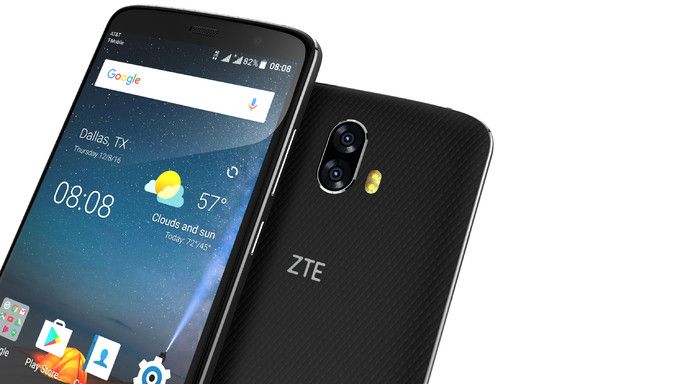
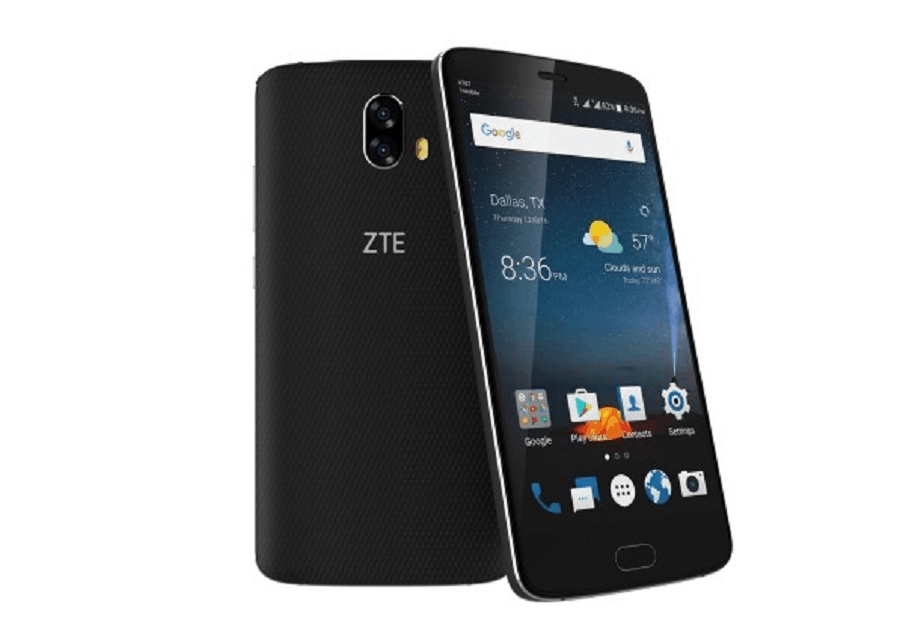
The ZTE Blade V8 Pro shows a design that feels both practical and kinda pleasant to look at. In terms of size, it measures 156 x 77 x 9.1 mm (6.14 x 3.03 x 0.36 in), and it tips the scale at 185 grams (6.53 oz) so it stays slim-ish and not too annoying to hold, even though it’s still a “large-ish” phone. You get a metal frame in the middle, then a textured plastic back and a glass front on the outside, which gives it that more solid vibe, while still looking a little more polished. The textured back is there for a reason, it improves grip, so it’s less likely to do that slipping thing when your hand is a bit dry or sweaty.
On the front, the phone is mostly taken over by a 5.5-inch display. Below it there are capacitive buttons, while at the top you’ll find the front-facing camera, the earpiece , and the usual sensors. The fingerprint reader sits in the physical home button, and on either side there are the capacitive keys for back and recent apps. It’s a pretty standard layout, but it works well, so day to day navigation doesn’t feel confusing or clunky.
Build Quality
The ZTE Blade V8 Pro feels pretty well built for a budget phone, you know. It has a metal frame that adds rigidity, like it gives that bit of “premium” touch for a price point that really shouldn’t look this good. The textured plastic back is, well, resistant to fingerprints and smudges, so it stays looking decent for longer. When you press around the body, there aren’t any creaks or flexes, which is a good sign about the overall construction. Also it includes a hybrid SIM slot, so you can do dual SIM or use one SIM and one microSD card , kinda depends on what you need, and that makes it a little more flexible than some other budget models.
Display
Size and Resolution
On the display side, the ZTE Blade V8 Pro arrives with a 5.5-inch Full HD IPS LCD panel, pretty straight forward, at least on paper. The resolution is 1080 x 1920 pixels, so it lands around 401 PPI, which isn’t mind blowing but also not disappointing. Back then this kind of detail was sort of common for mid-range devices, and it still manages to show sharp clear visuals for daily stuff like scrolling through pages, chatting in messages, and watching videos.
Display Quality
The screen quality is genuinely commendable , especially if you compare it to other phones in the same range. The IPS LCD panel gives good color accuracy , with vibrant colors and a decent contrast level. From different angles the viewing experience stays pretty consistent, with only minor color shifting. Brightness is fine indoors , though in direct sunlight it could be stronger, because outdoor visibility isn’t the best. Touch responsiveness is also solid, you won’t really notice lag, stuttering, or that sluggish kind of delay.
Protection
For protection, the ZTE Blade V8 Pro uses Corning Gorilla Glass 3. It should help against scratches and small impacts, though it’s not the newest Gorilla Glass standard at the time. Still, it offers a reasonable durability for everyday use, and that counts.
Performance
So, under the hood, the ZTE Blade V8 Pro is driven by the Qualcomm Snapdragon 625 , which is an octa-core processor running at about 2.0 GHz. People often say this chip is kind of a middle-ground solution, balancing performance with lower power use, so it became a go to option for phones in the mid-range. And then there’s the Adreno 506 GPU , this one takes care of the graphics chores.
Memory wise, the phone ships with 3 GB of RAM, and honestly for normal life it is enough. Think web, social feeds, or casual scrolling, even light gaming. As for storage, you get 32 GB of internal memory, and yes it can be expanded, up to 256 GB, using a microSD card. So not totally locked, which is nice.
In real everyday use, the ZTE Blade V8 Pro feels pretty solid for what it costs. The Snapdragon 625 keeps day to day actions steady enough, apps generally launch fast, and switching between tasks doesn’t throw big problems at you. The 3 GB of RAM offers decent multitasking, but if you’re the type to keep a lot of apps open, at some point you might notice minor slowdowns, kinda like the device is just catching up.
For gaming, the situation is “okay” more than “wow.” Casual games tend to run smoothly, while tougher games may ask for reduced graphics, otherwise the frame rate can start feeling uneven. The Adreno 506 isn’t built for serious high end gaming, still, for most titles available around that time it handles them in a reasonable way, without too much drama.
Overall the ZTE Blade V8 Pro performs pretty much right where you’d expect for a mid range phone. For day to day things, it feels fairly fluid, snappy even, but once you push it with heavier apps or lots of things running at the same time, you may notice it gets a bit less steady, sorta like it can’t keep up as well.
Camera
Dual Camera Setup
One of the more notable bits on the ZTE Blade V8 Pro is the dual camera rig on the back. The device has two 13 MP sensors, one handles color information and the other takes care of depth data. Because of that, you get extras like bokeh effects where the background is blurred out, while the subject stays sharper, kind of like the result you usually see from DSLR cameras, without all the hassle.
The camera app includes multiple modes, and there is a manual option too. With that you can tweak things such as ISO, shutter speed, and white balance. There’s also a dual camera mode designed for pictures with bokeh styling.
Camera Performance
In bright, well lit scenes the cameras do a solid job. You get images with decent detail and fairly correct colors. Focus locks are relatively quick, and the shutter timing feels responsive, so catching moments while moving around is easier. The bokeh effect looks good at first glance but sometimes it struggles to separate the subject from the background, cleanly so a few zones around the edges can end up blurred when they shouldnt, which is kinda annoying because you really want something crisp.
In low light situations, the camera performance tends to drop, you know, the way it usually does with most mid-range phones. Photos often show extra noise, and finer details fade or get smeared in the dim parts. The dual LED flash gives a little boost, yet it still can’t really make up for the camera sensor’s limits in those darker scenarios.
As for the front-facing camera, it uses an 8 MP sensor, it’s pretty decent for selfies and video calls. In bright conditions, it works in a pretty good way, with crisp and detailed shots. But, just like the rear cameras, it also has trouble at night, where noise quickly becomes more noticeable.
Video Recording
The ZTE Blade V8 Pro can record 4K video at 30 fps, and that’s surprisingly good for a device in this kind of price bracket. In well lit environments, the video quality looks solid, with sharp textures and colors that seem true to what you’d expect. It also supports 1080p recording at 30 frames per second, which might be the better everyday choice for most people.
Still, there’s no optical image stabilization (OIS), so the footage may turn shaky if the phone isn’t kept steady, even a little. Electronic image stabilization (EIS) helps some, but it just can’t match what OIS normally provides. Overall, video recording on the ZTE Blade V8 Pro is pretty reliable for its category, with good results for casual filming and quick clips.
Battery Life
Battery specs
The ZTE Blade V8 Pro comes with a 3,140 mAh non-removable battery, which basically matches most other phones in its class. This battery is made so you can push through the day on one charge, assuming your habits are normal, and your usage intensity is not too wild, you know.
Battery performance
In real world testing and daily life use, the battery endurance of the ZTE Blade V8 Pro looks pretty solid. If you go with moderate behavior like web browsing, scrolling social apps, a little gaming here and there, and streaming video, the handset usually holds up till the end of the day. If you start doing more demanding stuff, like long game sessions, or sustained GPS, the charge drops faster, still though the device should typically survive most of the day on a single cycle.
It also supports Qualcomm Quick Charge 2.0, so charging is quicker than the usual routine. Sure, it’s not the newest Quick Charge generation, but it does cut down the recharging time and that is, honestly, a handy thing if you’re often on the move.
Software and User Interface
Operating system
The ZTE Blade V8 Pro originally launched with Android 6.0.1 Marshmallow, and ZTE’s own user interface layered on top of it. It was not the newest Android release back then , but Marshmallow was still a pretty capable operating system, bringing a set of features and improvements compared to older versions, and yeah it felt solid overall.
ZTE’s custom skin tweaks parts of the stock Android experience, and adds a handful of extras and custom touches. The interface feels fairly tidy, and there’s less junk like bloatware than you’d expect on some other brands, so that’s a nice benefit if you want something more streamlined , and less cluttered.
Software Features
ZTE sort of threw in a handful of software features, to make things a bit nicer for the user experience. The handset has a built-in file manager and a camera app that feels custom, with manual style controls, plus a bundle of utility apps. On top of that, there’s gesture support too, like double-tapping the display to wake it, or swiping with three fingers to grab a screenshot. It’s all pretty straightforward, but still handy.
In general the software feels smooth enough, and the Snapdragon 625 does its job managing the custom skin, no huge problems. But, the regular updates part is where things get shaky, because ZTE doesn’t push frequent software updates. So yeah, some people might miss out on newer Android perks, and also the security patches that arrive later.
Connectivity
Network and Connectivity Options
The ZTE Blade V8 Pro supports a pretty broad set of connectivity options , which makes daily use feel less limited:
4G LTE: This thing runs on 4G LTE networks, so you should get faster mobile data, for browsing , streaming and downloading all that stuff.
Wi-Fi: Wi‑Fi 802.11 a/b/g/n/ac is supported , which means a fairly stable connection across both the 2.4 GHz and 5 GHz radio bands.
Bluetooth: Bluetooth 4.2 comes with it, for linking up wireless accessories and peripherals, like earbuds, loudspeakers, or even fitness trackers.
GPS: GPS support is there with A-GPS, GLONASS, and BDS, so navigation, as well as other location based services, ought to remain pretty accurate.
NFC: There’s NFC (Near Field Communication) as well, and that tends to help with mobile payments, plus fast pairing with compatible gadgets.
USB Type-C: The phone includes a USB Type-C port ,which is a more modern connector and it’s reversible. It enables faster data transfer and charging, and honestly it counts as an upgrade compared to the older micro-USB standard that was still showing up a lot on budget devices around that time.
Call Quality and Audio
The ZTE Blade V8 Pro does pretty well with call quality, at least most of the time. You can usually hear the other person clearly, with decent volume and not too much distortion on either side. It also has HD Voice support, and that helps smooth things out on networks that actually support it.
As for sound from the loudspeaker, it sits on the bottom edge of the phone, which is normal these days. For a budget device, the output is kind of “fine”, like it gets loud enough for speakerphone calls and quick media, plus notifications are easy to notice. Still, there is that familiar budget-smartphone vibe… the tone can feel a bit tinny, with less bass and not much real depth. So if you want a more pleasant audio experience, you’ll likely prefer using headphones, or even an external speaker instead.
Security Features
Fingerprint Sensor
The ZTE Blade V8 Pro includes a fingerprint sensor built into the physical home button on the front. In everyday use it feels quick, and it tends to work accurately, so unlocking and confirming purchases or signing into apps is pretty reliable. Honestly, it’s one of those small yet useful features that adds a bit more convenience and security, and it stands out even more given the phone’s budget friendly positioning.
Other Security Options
Besides the fingerprint sensor , the ZTE Blade V8 Pro still brings the more typical Android protection tools like PIN, pattern , and password lock screens. In practice these are paired with the option to encrypt the device, which is basically like an extra safety net for people really worried about keeping their personal info protected.
Storage and Expandability
Internal Storage
The ZTE Blade V8 Pro comes with 32 GB of built in storage, which honestly felt pretty standard for mid range phones when it first hit the market. After the operating system and all the pre installed apps finish taking their share, you’re left with roughly 24 GB of actual usable space for apps, pics, video clips and the rest of your files.
Expandable Storage
If you run out of space, this model offers room expansion via a microSD card slot. The slot is placed inside a hybrid SIM tray, so people can go with either two SIM cards, or one SIM card plus a microSD card, depending on what they care about most, right then and there. It supports microSD cards up to 256 GB which is a lot, for big media libraries and bigger app collections.
Value for Money
Pricing
When it came out, the ZTE Blade V8 Pro was priced in a very competitive way, aiming right at the mid range folks with a price tag near $230. In practice this put it up against other budget friendly smartphones that were basically offering similar features and specs, give or take.
Features vs. Price
If you look at what the ZTE Blade V8 Pro actually gives you, it feels like strong value for money. The handset has a sturdy build, a dual camera setup, a fingerprint sensor, and storage that you can expand… these are usually things you see in pricier models. On top of that there’s a USB Type-C connector and Quick Charge support, so the day to day experience feels more modern than you might expect.
Of course it’s not perfect, it has its weak spots, like the camera in darker scenes being sort of average, and there’s no steady stream of software updates. Still, those issues feel small compared to the full package. So if you want a smartphone that can handle daily use without burning a hole in your wallet, the ZTE Blade V8 Pro is honestly a solid deal.
Competition
Around the middle tier zone, the ZTE Blade V8 Pro had some real, like obvious rivalry. It was sort of running head to head with a handful other handsets, and you could feel that pretty quickly. Among the more noticeable contenders were the Motorola Moto G5 Plus , the Huawei Honor 6X , and the Xiaomi Redmi Note 4. Each one had its own perks , and yeah a couple tradeoffs too. So the “final pick” was mostly about what you cared about most, such as camera requirements , battery stamina, or even just a smoother everyday run.
Motorola Moto G5 Plus: The Moto G5 Plus was known for that near stock Android vibe, so the software layout felt more direct , and overall a bit quicker. The photos also looked better in practice, especially when the lighting dropped off. But it didn’t bring a dual-camera arrangement, and in battery terms it was a bit less generous compared with the Blade V8 Pro.
Huawei Honor 6X: The Honor 6X also used a dual camera setup, and it landed in a pricing range that felt pretty similar. Some folks appreciated Huawei EMUI because it seems more polished, but others might have preferred the calmer, more laid back interface style like the Blade V8 Pro. For endurance it did edge out slightly, though its screen brightness wasn’t quite as punchy.
Xiaomi Redmi Note 4: The Redmi Note 4 was kinda often mentioned as a good buy mainly for dependable battery life, and also for solid everyday performance, largely due to the Snapdragon 625 , yes the same chipset you’d see inside the Blade V8 Pro. Still it missed NFC, plus it didn’t bring a dual-camera arrangement, so in those specific areas the Blade V8 Pro looked better.
Conclusion
Final thoughts
So the ZTE Blade V8 Pro feels like a pretty convincing mid-range phone, it kinda pulls together performance, style and features in a way that usually works for most folks. You get a decent dual-camera setup, a fingerprint sensor, USB Type-C, and expandable storage , and honestly those bits pop more than a lot of the other options you’ll find around the same price.
Now yeah, it’s not perfect. The low-light camera results are only average , and the software update rhythm is not exactly consistent, but honestly those drawbacks seem small when you look at the overall package. If you care more about value for money, and you want a handset that can do daily tasks without drama, the ZTE Blade V8 Pro is a strong pick.
All things considered , the ZTE Blade V8 Pro is still a reliable mid-range device even years after launch. It also kinda proves that budget-friendly smartphones can still feel pleasant to use. Whether you’re a casual user , a buyer watching the cost, or you just want a useful backup phone that won’t let you down, it’s worth taking a look at the ZTE Blade V8 Pro.
Pros and Cons
Pros:
The build feels solid, with a bit of that premium, smooth kind of vibe
Dual camera setup , that gives you a nice bokeh effect
The 5.5-inch Full HD display looks sharp, bright and lively
Fingerprint sensor works fast, with quick and accurate recognition
You can expand storage using a microSD card
USB Type-C port plus Quick Charge support, pretty handy
Pricing is pretty competitive
Cons:
Low-light camera results are only average, nothing to brag about
Software updates seem rare , and not exactly “regular”
No optical image stabilization when recording video
The phone is a little heavy, also somewhat bulky
You might find it hard to get in certain regions
In conclusion, the ZTE Blade V8 Pro kinda lands like a well-rounded mid-range smartphone, it brings a decent bundle of features for different kinds of users. It really shines where it counts most, design, camera capabilities, and the overall value, even if there are a few little weak spots here and there. So if you’re after something budget-friendly that still stays pretty stable on performance and everyday features, the ZTE Blade V8 Pro is definitely worth checking out.
ZTE 5.5″ Blade V8 Pro Factory Unlocked Phone – Black Diamond: Buy it now
Related Posts



Tech Reviewer & Product Analyst
Định Bia has spent over 10 years testing consumer electronics with a focus on smart technology. He work as a product advisor at Biareview where he helped customers find the right devices for their needs. He personally tests every product featured on this site using a consistent evaluation framework covering quality, durability, and value. All reviews are based on experience, not influenced by the manufacturer.