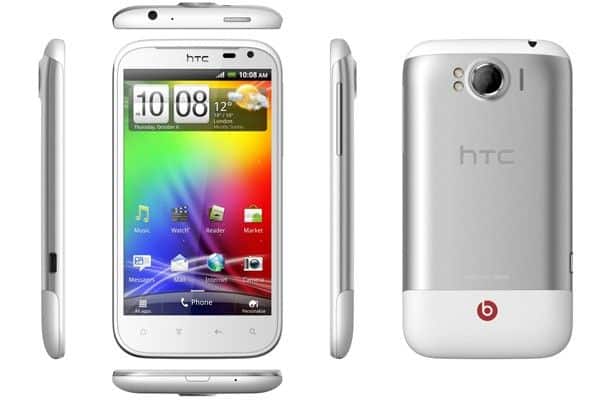
Design and build quality
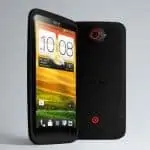
The HTC Sensation XL is pretty easy to spot, mostly because it has a big screen and a sturdy, almost over built kind of feel. it kind of sticks to a sleek modern look, but still manages to feel real and not just flashy.
Dimensions and weight
At 132.5 x 70.7 x 9.9 mm, and around 162 grams, the HTC Sensation XL is, honestly, on the larger side for its era, it feels thick ,and weighty compared to a lot of smartphones back then. for many people that size gives it a more substantial and premium vibe. though yeah, some users might find the heft a little bulky. most of the bulk comes from the 4.7-inch display, which pretty much takes over the front.
Material and construction
You get a mix of materials that feel carefully chosen. there’s a metal unibody design, so the phone feels more solid in the hand. the back uses a soft touch plastic panel, which makes gripping it a bit easier during longer use. overall build quality comes across as sturdy, with a frame that seems well assembled and dependable, even if you’re the type to be a little rough.
Design aesthetics
The design leans on clean lines, and a mostly minimalist attitude. the big display is paired with small details, like a gently curved edge and a slightly raised bezel that helps shield the screen. the HTC logo along with the Beats Audio branding are shown pretty clearly, and it all adds to that polished visual appeal.
Color options
The HTC Sensation XL came in a variety of colors, like classic black and white. i mean, you could choose something that felt kinda like your own style while still keeping that overall visual vibe, which really made the phone feel more flexible in terms of looks.
Display and user interface
The display is one of those standout bits on the HTC Sensation XL. it has a 4.7-inch S-LCD capacitive touchscreen, with a resolution of 480 x 800 pixels. now yes, the resolution sounds a bit modest compared to what people expect now, but at the time of release it was still quite competitive, at least in the same category.
Screen quality
With the 4.7-inch size, the screen gives a bigger more immersive feel, so it works well for multimedia, gaming, and web browsing. The S-LCD panel tends to show vibrant colors , has decent contrast and offers pretty wide viewing angles too. still, the pixel density of around 199 pixels per inch means you may notice a little pixelation, especially if you’re viewing higher detail content.
Touch sensitivity
The touchscreen on the Sensation XL is pretty responsive, meaning touches register fast and accurately. HTC’s Sense UI, which sits on top of Android , improves the whole interaction with more natural gestures and some customization tweaks. that quick responsiveness helps create a smooth everyday experience, whether you’re hopping between apps or just typing on the on-screen keyboard.
User Interface
The HTC Sensation XL runs on Android 2.3 Gingerbread, with HTC’s Sense UI 3.5 . In general, HTC Sense UI gives a bunch of options you can tinker with, like widgets, themes, and even a home screen that you can rearrange in a custom way. The whole interface is meant to feel easy, looks good too, and it tends to rely on smooth transitions plus those kind of animations that keep it visually “alive”.
Customization
People can set up their home screens with different widgets and handy shortcuts so it kind of matches what they want, not only what the default layout decides. HTC Sense UI also throws in things like weather and calendar widgets , plus HTC’s own Sense apps, which together makes the day-to-day experience more comfortable.
Performance and Usability
Under the hood, the HTC Sensation XL uses a 1.5 GHz single-core Qualcomm MSM8255 Snapdragon processor, along with 768 MB of RAM. On paper this doesn’t sound huge, especially compared to today’s phones. Still, the Sensation XL was built to keep things running smoothly for the era it came from.
Processing Power
That 1.5 GHz single-core chip has enough power for usual routines , like web browsing, media playback, and casual gaming . For the most part, it deals with regular apps and multitasking, without making the phone feel noticeably sluggish. That said , when you compare it to newer smartphones with multi-core setups, the Sensation XL can start falling behind in heavier, more demanding applications.
Memory and Storage
The HTC Sensation XL ships with 16 GB of internal memory, which is kind of “enough” for apps, music, photos, and videos and all that. Still, there’s no microSD card slot on board, so expanding storage is limited , like you just don’t really get that extra breathing room. For most people 16 GB tends to be fine. But if you keep a big set of media, or download a lot of stuff, the lack of expandable space can feel like a real constraint.
Battery Life
On the battery side, the Sensation XL uses a 1,830 mAh pack, so the endurance is pretty reasonable for the category. With normal routines—web browsing, music and video playback, plus calls— it can usually make it through a whole day. Yet if you’re a heavy user, you might end up plugging in again sooner, mainly when multimedia sessions run long, or when gaming drags on.
Heat Management
Because it has that big display and a relatively capable processor, the Sensation XL can warm up while you’re doing more demanding stuff. It doesn’t really get overly hot, but you might notice a mild rise in temperature after long stretches of use. Overall, the design feels like it has decent ventilation, and that kind of thing helps keep it under control, mostly
Camera and Multimedia
For pictures and media, the HTC Sensation XL leans pretty hard into its camera features. You get an 8-megapixel rear camera and a 1.3-megapixel front camera, and that focus shows up in how the phone is positioned. It’s built for catching moments you can share, and it fits in nicely with entertainment use too.
Rear Camera
The 8-megapixel back camera includes an LED flash and it supports autofocus, face recognition, and image stabilization. In bright conditions, it tends to deliver sharp photos with lively color. However in low-light environments the results can dip—there can be visible graininess, and overall sharpness may drop a bit, with some clarity getting lost too.
Video Recording
The rear camera can record video up to 720p HD resolution, giving fairly good results for its time, though it’s not exactly mind blowing. In practice, the video recording features come together with HTC’s camera software, so you get extra options for effects and some light editing. The quality is fine for casual use, but it might feel underwhelming compared with newer devices that can shoot at much higher resolution and bitrate, you know.
Front Camera
The front-facing camera is 1.3 megapixel, so it works well for video calls and basic self-portraits. It doesn’t really aim for crisp high-resolution imaging, still it looks decent enough for video chat apps and simple shots. The front camera does its job, but it’s pretty much not a standout thing on the device.
Beats Audio Integration
A big, kind of defining part of the HTC Sensation XL is how it handles Beats Audio. There’s Beats Audio technology onboard, and it’s meant to boost audio playback so music sounds fuller, more textured, more immersive in general. You can notice the Beats Audio touch in the built-in speakers and also in the included headphones, where it helps deliver stronger sound for songs and multimedia content.
Music Player
The music player on the Sensation XL is built to lean on Beats Audio. It supports several audio formats, like MP3, AAC, and WAV. The layout feels straightforward too , with features for playlist creation, album browsing, and organizing your music library. With the Beats Audio tuning in place, the overall sound output comes off as more satisfying, so for music lovers this handset makes a solid case.
FM Radio
The device comes with an FM radio feature,so users can hear live broadcasts. There is also RDS ,meaning Radio Data System ,which shows extra details about radio stations and what they’re airing. Adding the FM radio gives the Sensation XL more flexibility in its media side, for people who really like live radio content ,even when they’re not streaming.
Connectivity and Network
The HTC Sensation XL has a bunch of connectivity options, for different network and wireless technologies. It works well for its era, but compared with today’s smartphones it feels kinda limited, you know like… not as broad.
Network Connectivity
This model supports 3G networks ,specifically HSDPA, and that gives quicker data speeds than older 2G setups. Because of that ,web browsing can feel smoother and transfers are faster. Still, there’s no support for 4G LTE, so as network tech moved on ,the device’s overall data performance might end up feeling capped.
Bluetooth
It also includes Bluetooth 3.0, so you can pair it with compatible gear like headsets, speakers, or even other smartphones. With Bluetooth, hands-free calling becomes easier, plus you can move files around and stream audio, which just expands what the phone can do day to day.
USB and Data Transfer
For charging and data, the Sensation XL uses a microUSB port. That USB setup lets users sync information with a computer, send over files, and recharge the device. The microUSB port fits many accessories so it’s handy, and it keeps the connection process pretty straightforward.
Wi-Fi
This device supports Wi-Fi 802.11 b/g/n ,so you get wireless internet connectivity for browsing and pretty much all the online stuff. the Wi-Fi capability tends to deliver a reliable fast connection especially when you’re accessing internet services, and that makes it a decent fit for web browsing, also for streaming content.
GPS
The Sensation XL also has GPS ,which supports location based services and helps with navigation. With those GPS capabilities users can use mapping and navigation applications, and it gives useful options for travel and location tracking. in general the device’s GPS performance feels accurate enough ,and it stays dependable for everyday use.
Software and User Experience
The HTC Sensation XL runs Android 2.3 Gingerbread, plus HTC’s Sense UI 3.5. The overall software experience is meant to feel smooth and intuitive ,with HTC’s own customizations and little added features.
HTC Sense UI
HTC Sense UI offers a visually pleasing and fairly customizable interface, including things like customizable home screens ,widgets, and themes. Sense UI also includes animations and transitions ,and those little movements make the whole experience feel more polished. it’s generally easy to use, with straightforward navigation and quick access to different functions and applications.
Performance
Multitasking
Multitasking on the HTC Sensation XL is usually efficient enough, but it’s held back by the single-core processor. You can jump between applications and handle multiple tasks at once without too much stutter ,however it might not feel as fluid as newer multi-core devices. The 768 MB of RAM gives some room for everyday multitasking, though if you run several heavy apps, it may slow down or sometimes force apps to reload, depending on what you’re doing.
Applications and App Ecosystem
The HTC Sensation XL runs on Android 2.3 Gingerbread, which, sure it was already a bit outdated compared to today’s expectations but at the time it was a decent starting point for reaching apps through the Google Play Store. People generally had access to a lot of applications— productivity tools, games, and multimedia content, even so as the Android universe kept moving forward, newer apps and updates often didn’t gel well with Gingerbread which kind of squeezed the device’s ability to handle the newest software.
On top of that, the HTC Sense UI brought in extra value with its own collection of tools and features. Like, HTC Peep (for Twitter), HTC Watch (for media viewing), and HTC Locations (for routing / navigation) were meant to make everyday use feel more rounded, kinda beyond the usual stock Android stuff.
Updates and Support
The Sensation XL rolled out with Android 2.3 Gingerbread, and yeah HTC did keep pushing updates for the Sense UI and other Android related bits over time, but in the end the phone still reached the finish line of its update journey. So basically users couldn’t quite count on always getting the newest features , or even the most recent security patches that tend to show up with newer Android versions. For a lot of owners this felt like the real stopping point for software maintenance, which can be a downside if you want the newest improvements continuously.
User Experience and Interface
Ease of Use
The HTC Sensation XL’s interface is set up to feel intuitive, kind of easy right away. HTC Sense UI takes the base Android experience and spices it up with custom widgets, themes, and a home screen that you can tailor. Users can personalize things by moving around widgets, shortcuts, and wallpapers to match what they like, and the overall smooth animations— plus the transitions— help make the daily experience feel smoother and more enjoyable.
Customizability
This device kind of gives you a bunch of customization options , so you can shape the look and the functionality of your phone. The HTC Sense UI comes with quite a few themes and wallpaper options , which makes it easier to personalize the overall vibe. Plus, you can add and rearrange widgets on the home screen , so the stuff you use all the time is there almost instantly, like shortcuts and apps.
Performance Under Load
On the whole, the HTC Sensation XL handles typical daily use pretty smoothly, think web browsing, email checking, and jumping between social media. But when things get heavier , like high-end games or more intense multitasking, the performance can start to slip. The single-core processor is fine for ordinary tasks , yet it might feel a bit thin when you run newer applications that really want more computing power.
User Feedback
People’s feedback on the HTC Sensation XL has mostly been positive, a lot of folks mention the big display , the solid premium build quality, and the multimedia features. The Beats Audio integration is frequently called out as a real standout, it improves the overall sound experience in a noticeable way. That said , some users also mention a few limitations, especially around performance, camera results, and the fact that there is no expandable storage option.
Market Impact and Legacy
Market Position
The HTC Sensation XL was basically sold as this high-end kind of multimedia device, aimed at folks who really cared about having a big display and louder, richer audio. It went head to head with other top tier smartphones from that era, like the Samsung Galaxy S II ,and the HTC Sensation XE too. What made the Sensation XL feel different wasn’t just the hardware but also the Beats Audio integration, plus the whole multimedia angle, so people who leaned toward better sound and a larger screen for watching stuff seemed more interested.
Sales and Popularity
Even though the HTC Sensation XL got a decent amount of attention because of its features and overall design, sales results were pretty tangled up in the fast moving smartphone competition. The rollout of newer models mattered a lot, since technology was changing quickly and fresh phones started bringing better specs, and even smoother performance. Still, the Sensation XL stays a memorable chapter in HTC’s history, sort of showing the brand’s effort to deliver a premium media focused experience.
Legacy
The HTC Sensation XL really has a legacy that sits in that “premium multimedia gadget” lane inside HTC’s lineup, and honestly it kind of showed how they cared about high-quality audio along with that bigger display,all in one box. It also made it pretty clear that HTC wanted to stand out, because the market at the time was packed with similar phones. So instead of only chasing speed or specs , they leaned harder into audio quality and multimedia things, like a sort of “this is the media phone” angle.
When you look at the impact on HTC’s later smartphones, you can see echoes of that idea in what came after, and how the brand kept treating multimedia as a centerpiece instead of just an accessory feature. Sure , the Sensation XL may not be the most famous device they ever made, or the one that changed everything overnight. Still, it’s a solid chapter in HTC’s history, and it feels like a reminder of how they were trying to push innovation in the mobile world.
Conclusion
The HTC Sensation XL is one of those key moments in smartphone evolution , mostly because it tried to blend multimedia together with a large screen and that more premium design feeling, you know . With its 4.7 inch display, Beats Audio integration , and generally sturdy build quality , it was aiming to deliver a smoother user experience for watching , listening , and overall entertainment.
That said, the single-core processor, the camera that’s kind of modest, and the fact that storage can’t be expanded can make it less appealing if you’re comparing it to modern expectations. But in the early 2010s, it was still a compelling option if someone wanted a high-quality media device. In that sense, the Sensation XL legacy is mostly about strong audio focus, and how HTC tried to deliver a “premium smartphone” experience with multimedia as the main theme.
Overall, the HTC Sensation XL keeps its place as a noteworthy entry in HTC smartphone history, reflecting that continued push for innovation, and that desire to give users a more distinctive , high-quality experience.
HTC Sensation XL X315E with Beats Audio Unlocked QuadBand GPS WiFi HSDPA Cellular Phone White – International Version No Warranty: Buy it now

Tech Reviewer & Product Analyst
Định Bia has spent over 10 years testing consumer electronics with a focus on smart technology. He work as a product advisor at Biareview where he helped customers find the right devices for their needs. He personally tests every product featured on this site using a consistent evaluation framework covering quality, durability, and value. All reviews are based on experience, not influenced by the manufacturer.