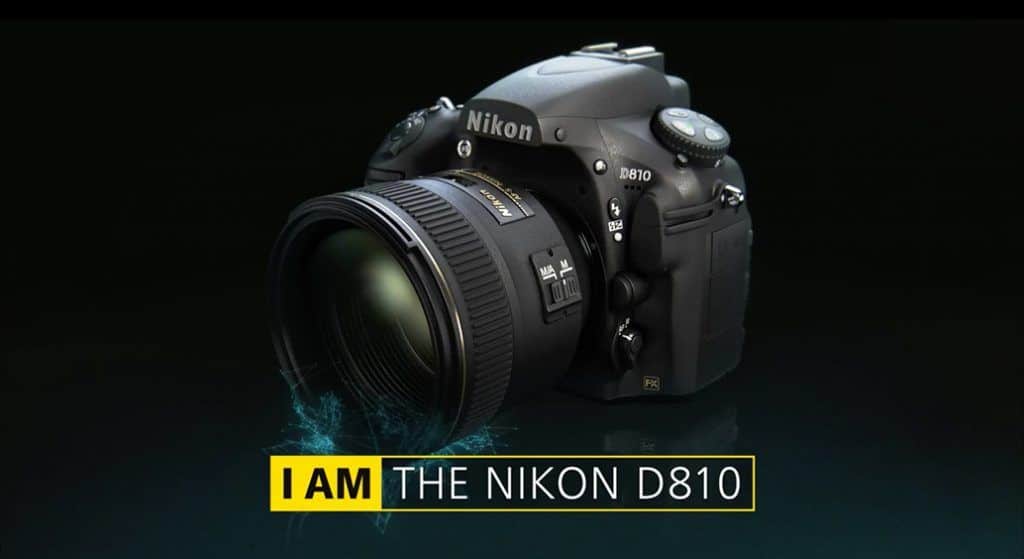
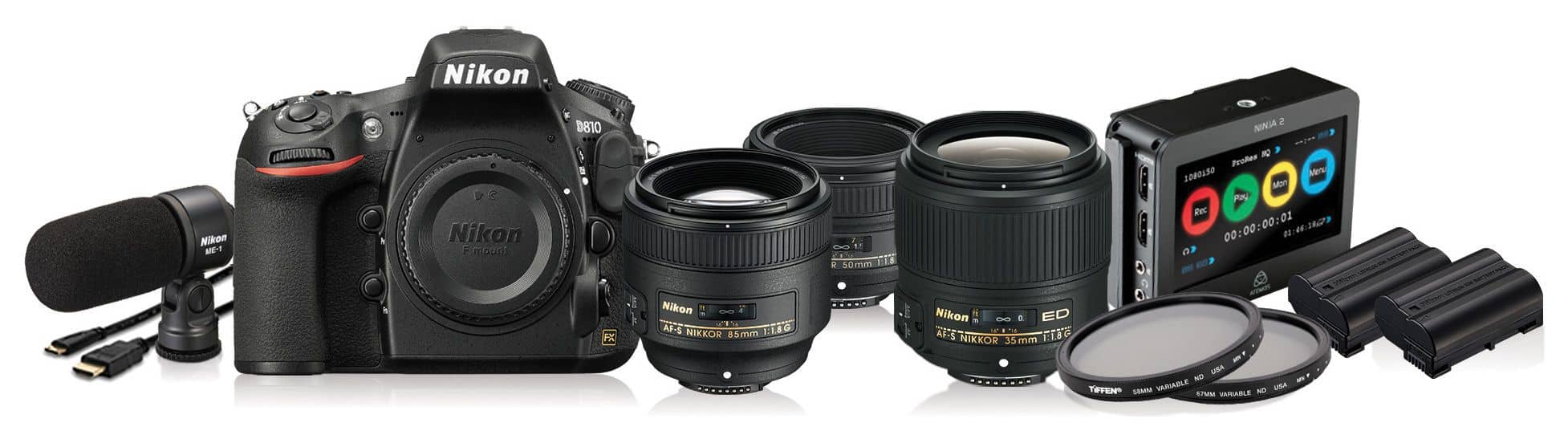
Nikon D810 is camera replace Nikon D800 and Nikon D800E, equipped 36.3MP CMOS sensor without optical filter OLPF (as opposed to D800E). EXPEED 4 processor from D4S has been integrated into the D810 allows expanding wider ISO range (ISO Auto, 64-12800, H1 & H2) improves image quality and metering and fast burst shooting mode (5fps). Nikon has also been redesigned and the mirror structure first introduced electronic shutter curtain to reduce the risk of “vibration shutter” reduced resolution. There are also improvements in video, including support 1080 / 60p, the regime “flat” Picture Control, Auto ISO in manual mode.
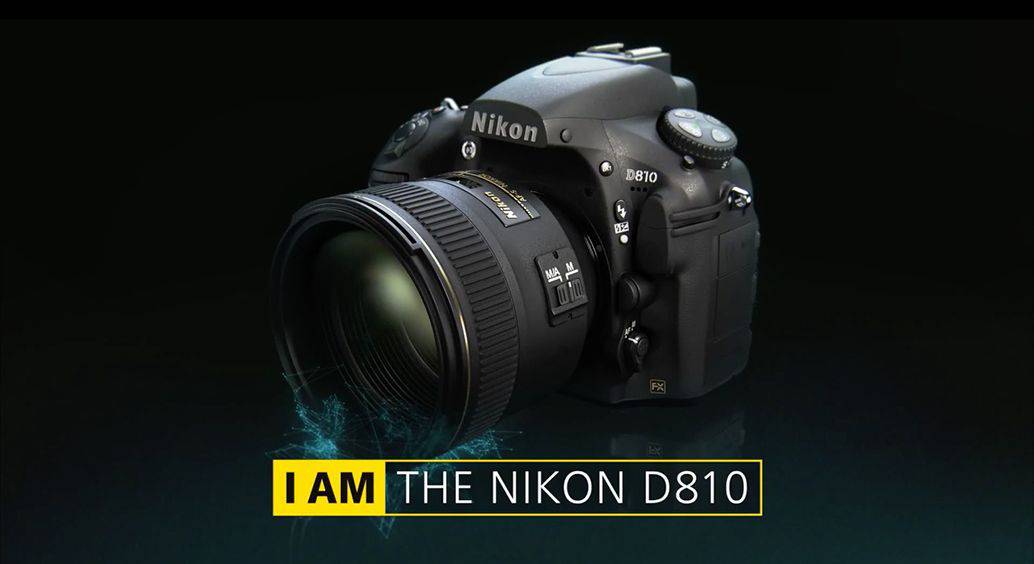
Nikon D810 FX-format Digital SLR Camera Body: Buy it now
Nikon D810 Digital SLR Camera Body (Certified Refurbished): Buy it now
Nikon D810 DSLR Camera (Body Only): Buy it now
Nikon D810 FX-format Digital SLR Camera Body w/ Seagate 1TB Hard Drive and Accessories: Buy it now
Nikon D810 is the pinnacle of the series semi-professional D-SLR, to continue to compete with medium format cameras thanks to a range of technologies designed to Nikon professional photography. The heart of the D810 is a 36.3-megapixel CMOS sensor FX format (7360 x 4912 resolution) allows photographers to promote the benefits of ultra-high resolution, with rich colors and tone strip large dynamic range. This ultra-high resolution helps photographers can shoot with excellent sharpness suitable for large prints low optical filter OLPF was removed to maximize the potential of each pixel, this the result is excellent resolution and sharpness, create images with subtle details with impressive fidelity.
Design and Build Quality
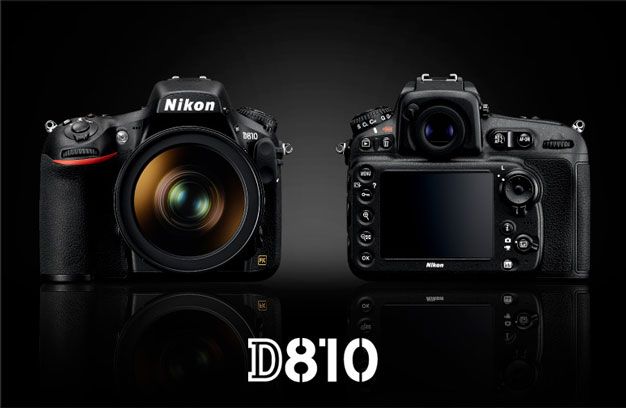
The D810 has a magnesium alloy body with weather sealing, so dust and light rain aren’t a problem. The grip is deep and comfortable, and it holds up over a long day of shooting.
Buttons for ISO, white balance and image quality sit where your fingers fall, so you can change them without looking. The mode dial has a lock so it doesn’t get bumped. Function buttons and the rear command dial can be reassigned to suit how you shoot.
The optical viewfinder shows 100% of the frame and is bright, which is a big help for careful composition. The rear screen is 3.2 inches with 1.23 million dots. It’s sharp, the colors are accurate, and it’s fixed and not touch-sensitive. That’s fine for reviewing shots, though it feels dated next to newer cameras.
Image Quality
Sensor. The 36.3-megapixel full-frame sensor has no optical low-pass filter, so it resolves a lot of fine detail. That helps most with landscape, studio and portrait work, where you’ll crop or print large.
Dynamic range. The D810 keeps a lot of information in both shadows and highlights. You can pull detail out of dark areas in editing without much noise, so you’ll need bracketing or HDR less often than with many cameras.
ISO. Native ISO runs from 64 to 12,800, expandable to 32–51,200. The low base of 64 is a real advantage in bright light. Files at low ISO are very clean, and noise stays under control at higher settings. Above 12,800 it becomes obvious, though the files are still usable for some jobs.
Color. Colors and skin tones look natural straight out of the camera, and the Picture Control settings let you adjust the look to taste.
Autofocus and Performance
The autofocus system has 51 points, 15 of them cross-type, and uses the Multi-CAM 3500FX module. It focuses quickly and reliably, including in dim light, and it handles portrait work and moving subjects well.
Continuous shooting is 5 fps at full resolution, or 6 fps in DX crop mode. That’s slower than sports-oriented bodies but adequate for wildlife and general action. Nikon rates the buffer at up to 47 RAW files or 100 JPEGs in one burst, so you won’t be stopped after a few frames.
Video
Video is 1080p at 24, 30 and 60 fps. The picture is sharp, and a flat Picture Control profile gives you room for color grading. There are microphone and headphone jacks and manual audio level controls, which is what serious video work needs. There’s no 4K, and that will rule it out for some people.
Handling, Battery and Connectivity
The menu system is well organized, and “My Menu” lets you collect the settings you use most in one place.
The EN-EL15 battery is rated at about 1,200 shots per charge (CIPA), which is better than most DSLR owners expect. You can shoot a full day or an event without swapping batteries.
There are two card slots, one CompactFlash and one SD. You can record to both at once for backup, split RAW and JPEG between them, or use the second as overflow. The camera also has USB 3.0 for tethered shooting and fast transfers, plus HDMI for clean output to monitors and recorders.
Value and Competition
The D810 launched in 2014 as a high-end professional camera with a price to match. It’s an older model now, so it costs much less than it did, and that’s a large part of its appeal today.
- Canon EOS 5D Mark III / Mark IV: solid all-rounders. The Mark IV adds 4K video and a touchscreen.
- Sony A7R II: a compact mirrorless option with a high-resolution sensor, an electronic viewfinder and in-body stabilization.
- Nikon D850: the D810’s successor, with a higher-resolution sensor, better autofocus and 4K video. It also costs more.
Who It Suits
Landscape shooters get the resolution, dynamic range and weather sealing. Portrait shooters get sharp detail, natural skin tones and access to Nikon’s lens range. Wedding shooters get reliable autofocus, good low-light results and dual card slots for backup during long events.
Firmware and Longevity
Nikon has released firmware updates for the D810 over the years. It’s a decade-old design, but it’s still a capable camera. Newer bodies add features and some speed, and the D810’s picture quality hasn’t stopped being good.
Verdict
The D810 gives you high resolution, wide dynamic range, a tough body and long battery life. Its faults are no 4K video, a fixed non-touch screen and modest burst speed, and those matter less than what it does well. If you want a full-frame DSLR for landscapes, portraits or events and don’t need the newest features, it’s still a great buy, especially at today’s prices.
Related Posts



Tech Reviewer & Product Analyst
Định Bia has spent over 10 years testing consumer electronics with a focus on smart technology. He work as a product advisor at Biareview where he helped customers find the right devices for their needs. He personally tests every product featured on this site using a consistent evaluation framework covering quality, durability, and value. All reviews are based on experience, not influenced by the manufacturer.